UK Court Overturns Gaza Family Reunification Policy on Biometric Rule
A court has ruled the Home Office acted unlawfully by blocking Gaza-based families from UK reunification, prompting a planned government appeal.
Lauren Collins ·
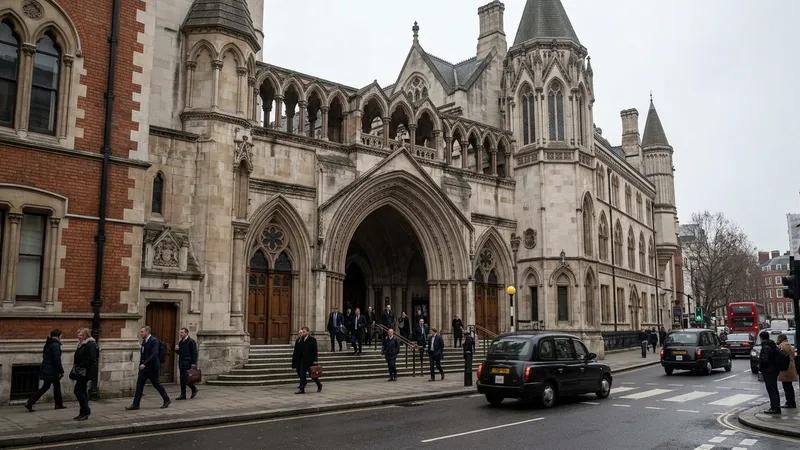
A UK immigration tribunal has overturned a Home Office policy that blocked mothers and children in Gaza from joining family members who have been granted refugee status in the UK. The court found that the government’s application of its "unsafe journeys" policy was unlawful in two specific family cases, directly challenging the mandatory requirement for biometric enrollment at visa application centers, which have been non-operational in Gaza since October 2023.
Biometric Requirements Challenged
The Home Office maintains that biometric data is critical for national security and criminal background screening before entry into the UK. Officials have indicated an intention to appeal the tribunal's ruling, citing the need to uphold standard immigration controls despite the ongoing humanitarian crisis in the region.
Approximately 250 to 300 individuals in Gaza are currently seeking family reunification under similar circumstances. These families typically require biometric checks, including fingerprinting and facial images, at a visa application center, which remains closed in Gaza.
Broader Policy Implications
The broader refugee family reunion scheme, which would facilitate more such applications, remains suspended, with no official timeline for its reinstatement until 2027. This judicial development establishes a potential precedent for other pending applications, intensifying pressure on the government to reconcile its security protocols with existing humanitarian obligations.
The ruling highlights the plight of families living in dire conditions within the conflict zone, struggling with food shortages, lack of clean water, and constant danger.
Home Office
The Home Office has previously stated its willingness to evacuate some families from Gaza to allow them to complete biometric processing in Jordan. However, the tribunal's decision centers on the legal application of the "unsafe journeys" policy itself, rather than the logistical challenges of biometric collection.
The outcome of the Home Office's intended appeal will be crucial for the hundreds of individuals awaiting family reunification, potentially reshaping the balance between immigration security and humanitarian considerations for those trapped in conflict areas.