Oil Prices Jump on Middle East Supply Concerns
Global oil prices have surged due to escalating Middle East conflicts involving the US, Israel, and Iran, raising significant energy supply concerns.
Atlas Newsdesk ·
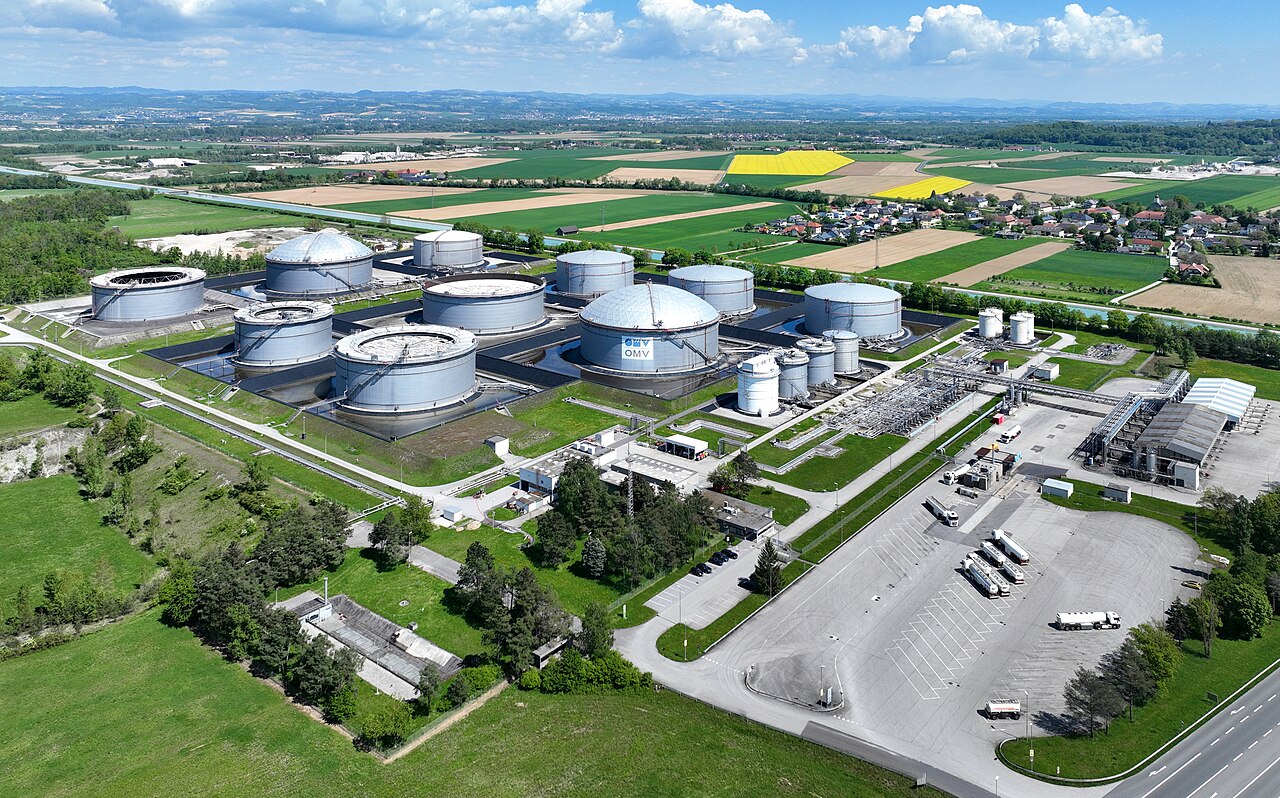
Global crude oil benchmarks have experienced a significant price increase this week, driven by heightened geopolitical tensions in the Middle East. The escalation of conflict involving the United States, Israel, and Iran has raised concerns about the stability of energy supplies from the region. This situation has prompted fears of a substantial disruption to the global energy market.
Geopolitical Tensions Escalate
The recent surge in oil prices is directly linked to an intensification of hostilities in the Middle East. Reports indicate that key energy infrastructure within the region has been targeted, contributing to market anxiety. Furthermore, the Strait of Hormuz, a critical maritime chokepoint for global oil shipments, is reportedly experiencing disruptions.
Supply Chain Vulnerabilities Exposed
These developments are creating what analysts describe as one of the most significant energy supply shocks in recent decades. The potential for prolonged instability in the Middle East threatens to impede the flow of crude oil and refined products, impacting global supply chains. This vulnerability underscores the region's pivotal role in international energy security.
Economic Implications and Inflationary Pressures
Economists and investors are closely monitoring the situation, with many warning of potential stagflation if the conflict continues. Higher energy costs directly translate into increased fuel prices for consumers and elevated operational expenses for industries. This economic pressure is already being observed across major economies in Europe and Asia, where businesses face rising input costs.
Market Response and Future Outlook
The immediate market response has been a sharp upward movement in crude oil futures. Traders are pricing in a risk premium due to the uncertainty surrounding future supply availability. The duration and intensity of the geopolitical conflict will be critical factors determining the sustained impact on oil prices and the broader global economy. International efforts to de-escalate tensions are being closely watched as a potential mitigating factor.
Historical Context of Oil Shocks
Historically, major geopolitical events in the Middle East have frequently led to significant oil price volatility. Past conflicts and political instability in the region have demonstrated the profound impact on global energy markets, often resulting in economic downturns. The current situation echoes these historical precedents, prompting a cautious outlook from financial institutions and policymakers worldwide.
Implications
Country Impact: Countries heavily reliant on oil imports, particularly in Europe and Asia, face increased inflationary pressures and potential economic slowdowns due to higher energy costs. Their trade balances could also deteriorate.
Industry Impact: Energy-intensive industries, including manufacturing, transportation, and petrochemicals, will experience elevated operational costs, potentially leading to reduced profitability and production cuts. Supply chain disruptions could also affect various sectors.
Market Impact: Global equity markets may see increased volatility and downward pressure as investor sentiment sours due to stagflation fears. Bond yields could rise as central banks face renewed inflationary challenges, while commodity markets, especially oil, will remain highly sensitive to geopolitical developments.