Hormuz Closure Disrupts Global Oil Supply, Prices Surge
Iran's closure of the Strait of Hormuz on March 17, 2026, has disrupted 20% of global oil supply, causing prices to surge.
Atlas Newsdesk ·
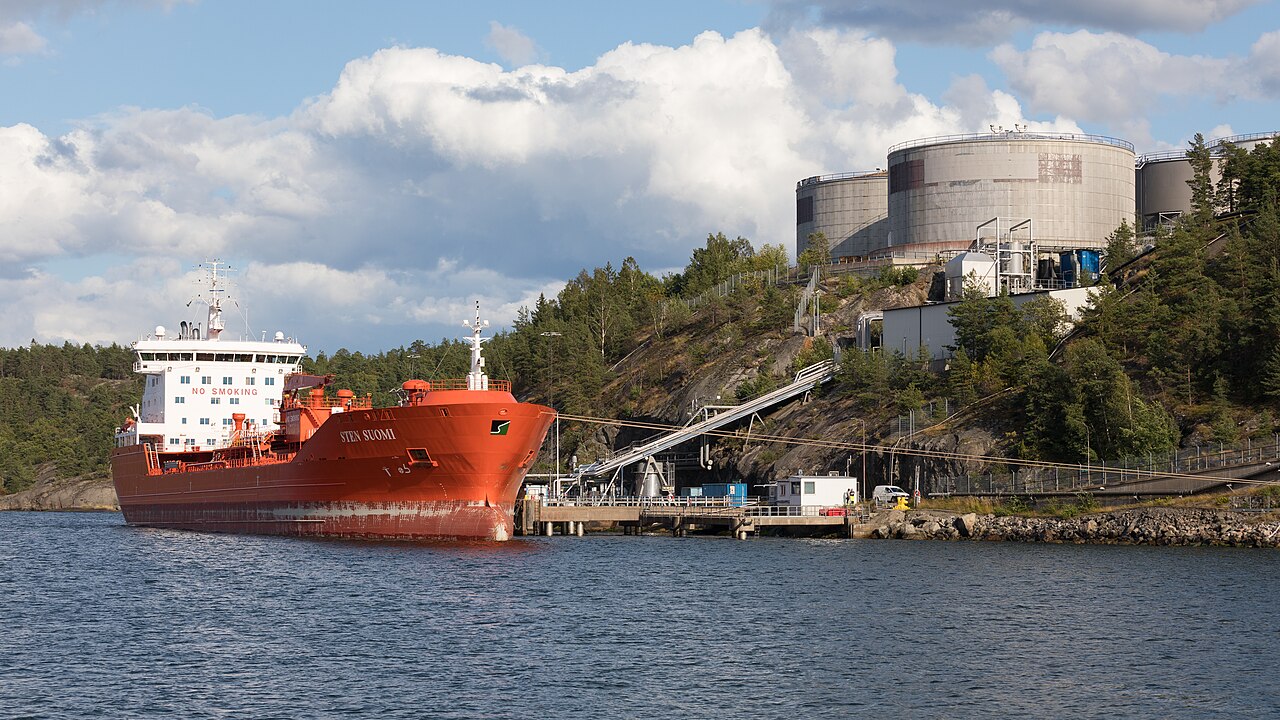
The Strait of Hormuz, a critical maritime chokepoint, was closed by Iran on March 17, 2026, significantly disrupting international crude oil flows. This action has immediately impacted global energy markets, leading to substantial increases in oil and gas prices worldwide. The closure affects approximately 20% of the world's total oil supply, a volume of disruption that surpasses the impact of the 1970s energy crisis.
Global Economic Repercussions
Major economies, including the United States, China, and European nations, are experiencing the immediate economic fallout. Rising energy costs are directly affecting consumer spending and business operations across these regions. American households face increased fuel prices, while Chinese manufacturing sectors contend with higher input costs, potentially impacting global supply chains.
European countries are also grappling with elevated domestic energy consumption expenses. Historically, disruptions of this magnitude have frequently triggered periods of economic instability, characterized by inflationary pressures, stagnant growth, and the potential for recessionary trends. Current economic forecasts suggest a broad slowdown in global economic activity.
Strategic Importance of the Strait
The Strait of Hormuz is a narrow waterway connecting the Persian Gulf with the Arabian Sea and the open ocean. It is bordered by Iran to the north and Oman's Musandam Governorate to the south. Its strategic importance stems from its role as the sole sea passage from the Persian Gulf to the open ocean, making it a vital transit route for oil-exporting nations in the Middle East, including Saudi Arabia, Iran, UAE, Kuwait, and Iraq.
Approximately 21 million barrels of oil per day, or about one-fifth of global consumption, pass through this strait. Any prolonged disruption here has immediate and severe implications for global energy security and prices. Previous tensions in the region have often led to spikes in oil prices, underscoring the strait's sensitivity to geopolitical events.
Historical Context and Market Response
Past large-scale oil supply shocks, such as those in the 1970s, demonstrated the profound link between energy availability and global economic health. These events often led to stagflation, a combination of high inflation and economic stagnation. The current situation presents a similar risk profile, with analysts closely monitoring the duration of the closure and potential diplomatic efforts to reopen the waterway.
Financial markets have reacted sharply to the news, with crude oil futures experiencing significant upward movement. Energy sector stocks have seen volatility, while broader market indices reflect investor concerns over economic growth prospects. Central banks globally may face renewed pressure to address inflation, potentially influencing future monetary policy decisions.
Outlook and Potential Responses
The international community is expected to engage in diplomatic efforts to de-escalate the situation and ensure the free flow of maritime traffic through the strait. Alternative energy sources and strategic petroleum reserves may be considered to mitigate the immediate supply deficit. However, the sheer volume of oil transiting Hormuz makes full substitution challenging in the short term.
The long-term implications will depend on the resolution of the current standoff and its impact on regional stability.
Implications
Country Impact: The United States, China, and European nations face increased energy costs, impacting household budgets and industrial operations. This could lead to economic slowdowns and inflationary pressures across these major economies.
Industry Impact: The global energy sector is experiencing significant price volatility, with oil and gas prices surging. Industries reliant on affordable energy, such as manufacturing and transportation, will see increased operational costs, potentially affecting profitability and supply chains.
Market Impact: Financial markets are reacting with increased uncertainty, particularly in energy futures. Broader equity markets may experience downward pressure due to recessionary fears, while central banks could face renewed challenges in managing inflation.