Booker Criticizes Congress on War Powers Delegation
Sen. Cory Booker criticizes Congress for ceding war powers to the executive branch. He spoke on March 3 about this constitutional issue.
Lauren Collins ·
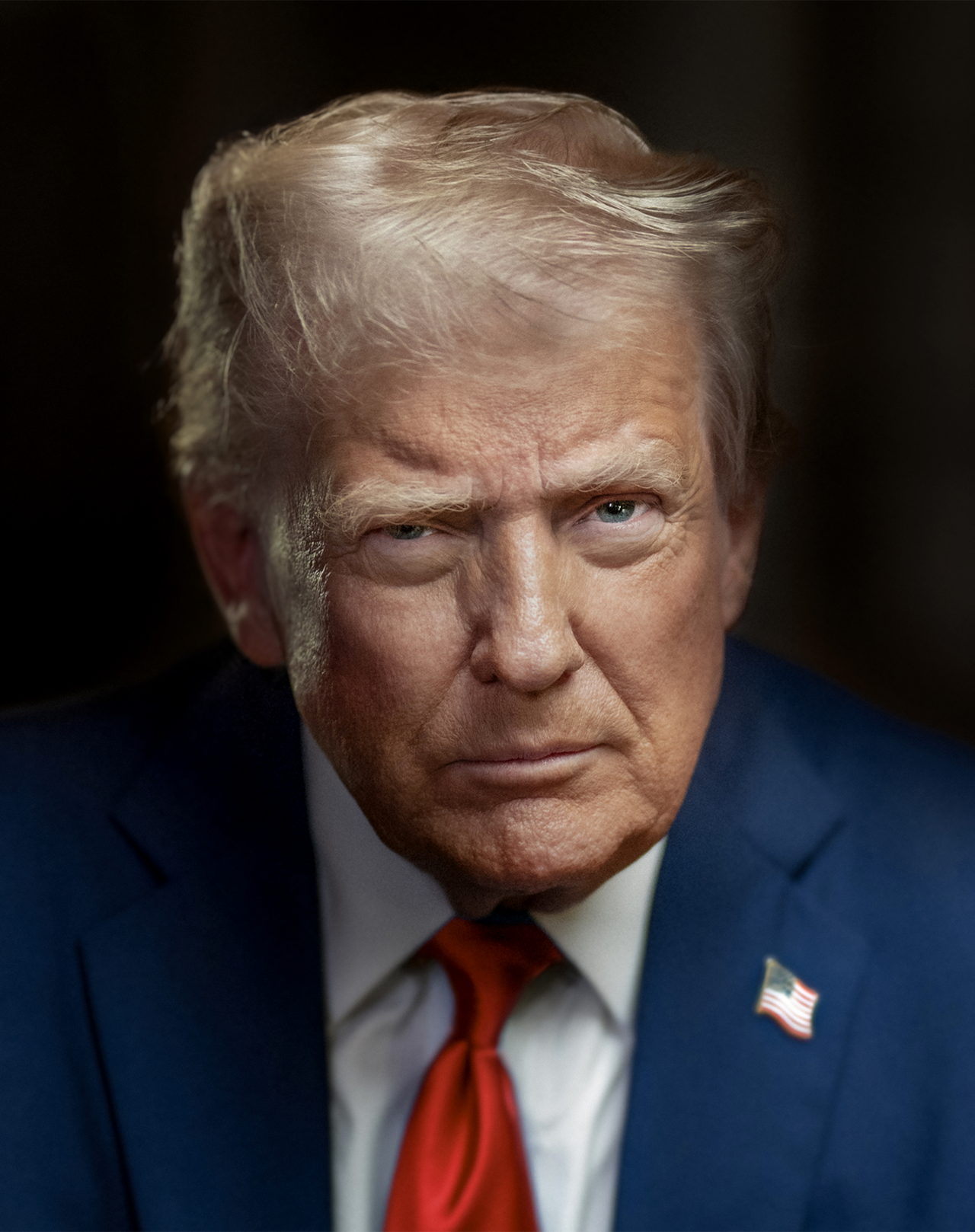
Senator Cory Booker (D-NJ) recently voiced strong criticism regarding Congress's perceived abdication of its constitutional war powers to the executive branch. Speaking on March 3, the senator specifically highlighted concerns that this legislative inaction could empower President Donald Trump to initiate military engagements without explicit congressional authorization, potentially targeting nations like Cuba and North Korea.
This critique emerged in the wake of several U.S. military actions ordered by President Trump since December, including operations in Nigeria, Venezuela, and Iran. The senator emphasized the ongoing conflict in Iran, which commenced on February 28 with a missile strike resulting in the death of Iranian Supreme Leader Ayatollah Ali Khamenei, as a significant military undertaking, marking the largest U.S. engagement since the Afghanistan war.
Congressional Inaction on Military Authority
Booker underscored the human and financial costs associated with recent military operations, noting 13 U.S. military fatalities and substantial taxpayer expenditures. He also pointed to broader geopolitical and economic repercussions, such as the two-week closure of the Strait of Hormuz. This vital maritime chokepoint, crucial for global energy transit, experienced significant disruption, impacting international oil markets.
Efforts within Congress to assert its authority have faced considerable hurdles. A measure introduced by House Democrats aimed at curtailing U.S. military involvement in Iran failed to garner sufficient bipartisan support. Concurrently, the U.S. Senate rejected a war powers resolution in a 47-53 vote, largely along partisan lines, indicating a persistent divide on the issue of executive military authority.
Historical Context of War Powers
The debate over war powers between the executive and legislative branches is a long-standing feature of American constitutional law, rooted in Article I, Section 8, which grants Congress the power to declare war, and Article II, Section 2, which designates the President as Commander-in-Chief. Historically, presidents have often initiated military actions without a formal declaration of war, particularly since World War II, leading to recurring tensions with Congress.
This ongoing tension has been exacerbated by the nature of modern conflicts, which often involve rapid deployments and targeted strikes rather than traditional declarations of war. The War Powers Resolution of 1973 was enacted to reassert congressional authority, requiring presidents to notify Congress within 48 hours of committing armed forces to military action and limiting such deployments to 60 days without congressional authorization.
However, its effectiveness has been a subject of continuous debate and presidential challenges.
Implications for Foreign Policy and Markets
The current congressional stance, as articulated by Senator Booker, suggests a potential for increased executive discretion in foreign policy and military engagements. This could lead to unpredictable shifts in international relations, particularly with nations already experiencing heightened tensions with the United States. The economic ramifications, as seen with the Strait of Hormuz closure, highlight the potential for military actions to disrupt global supply chains and commodity markets.
Future legislative attempts to reclaim war powers are likely to face similar partisan divisions. The balance of power between the President and Congress on military matters remains a critical aspect of U.S. governance, with significant implications for both domestic policy and international stability. The ongoing debate reflects fundamental questions about democratic oversight in the use of military force.