Concerns raised over role of ex-Putin interpreter monitoring Hungary vote
Concerns arise over Daria Boyarskaya, ex-Putin interpreter, coordinating an OSCE election monitoring mission in Hungary, raising impartiality questions.
Lauren Collins ·
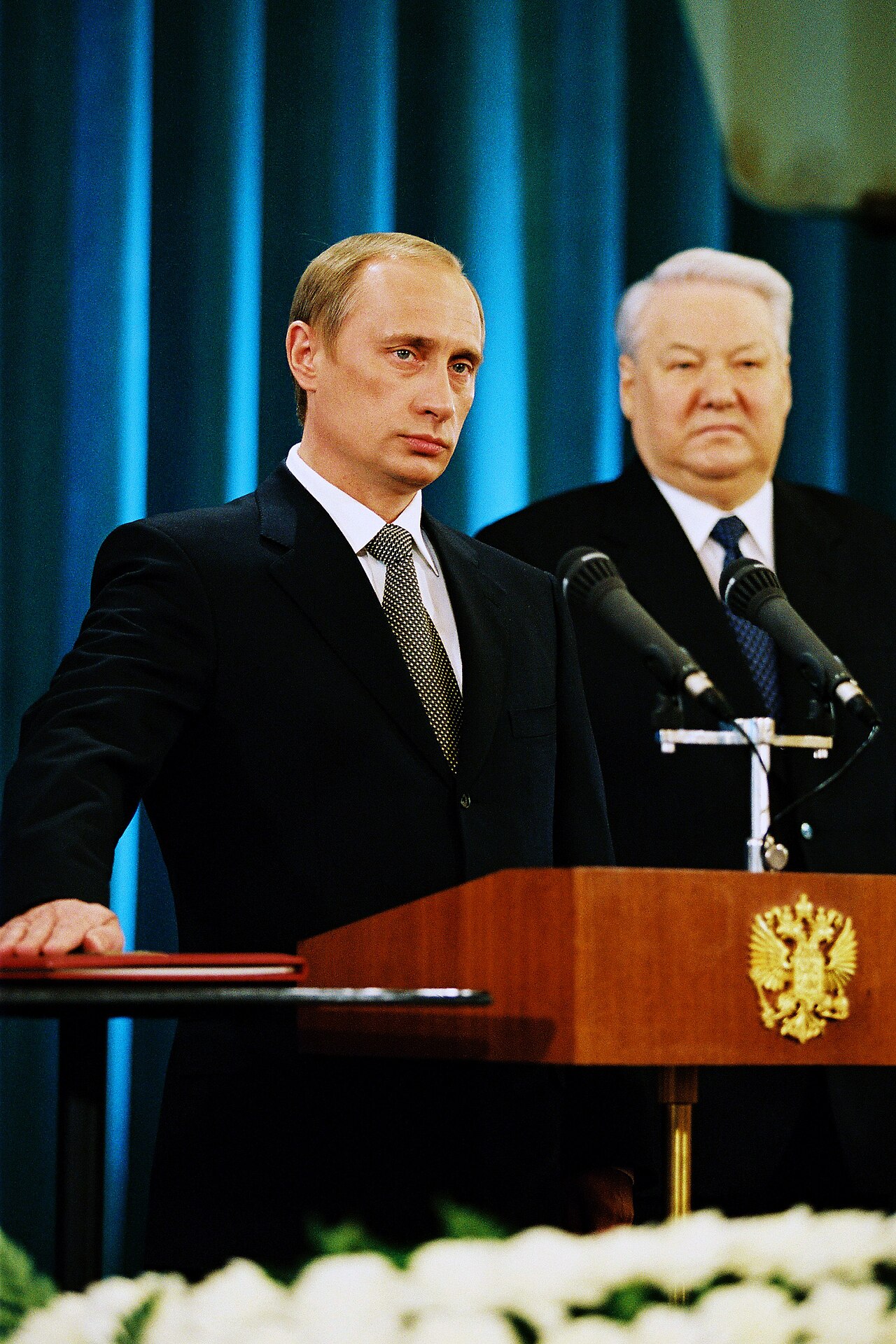
Hungarian civil society organizations have voiced apprehension regarding the appointment of Daria Boyarskaya, a former interpreter for Russian President Vladimir Putin, to a prominent position within the Organization for Security and Cooperation in Europe (OSCE) election monitoring mission in Hungary. Boyarskaya, a senior adviser at the OSCE Parliamentary Assembly (OSCE-PA), is tasked with coordinating the observation efforts for the upcoming parliamentary elections.
These elections hold significant weight, as they could potentially conclude Prime Minister Viktor Orbán's 16-year leadership.
S. President Donald Trump. Hungarian rights groups, including the Hungarian Helsinki Committee, suggest that her past role could undermine the perceived neutrality of the monitoring process. This apprehension is amplified by existing allegations of Russian influence in Hungarian political affairs and Prime Minister Orbán's publicly acknowledged pro-Russian foreign policy.
Hungarian Civil Society Raises Objections
Márta Pardavi, co-chair of the Hungarian Helsinki Committee, formally requested Boyarskaya's removal from her coordinating role. Pardavi cited fears that sensitive information provided by local activists and civil society members to the monitoring mission could be compromised or accessed by external entities, potentially jeopardizing their safety or operational integrity.
OSCE Defends Appointment Decision
In response to the criticisms, Roberto Montella, Secretary General of the OSCE-PA, publicly defended Boyarskaya's suitability for the role. Montella affirmed his complete trust and confidence in her professional conduct. He further noted that an independent audit conducted in 2023 had previously investigated and dismissed similar allegations against Boyarskaya, finding them to be without merit.
Boyarskaya herself has addressed the concerns, stating her adherence to strict OSCE protocols. These regulations explicitly prohibit staff members from accepting directives or instructions from national authorities, ensuring their independence and impartiality in their duties. She has been associated with the OSCE for over a decade, contributing to various missions and initiatives.
Context of Hungarian Elections
The upcoming Hungarian parliamentary elections are a critical event in the country's political landscape. Prime Minister Orbán's Fidesz party has dominated Hungarian politics for an extended period, and the election outcome will determine the future direction of the nation's domestic and foreign policies.
International election observation missions, such as the one coordinated by the OSCE, play a crucial role in assessing the fairness and transparency of electoral processes, providing an external validation of democratic standards. The integrity of such missions is paramount for international confidence in the election results.
Implications for International Monitoring
This situation highlights broader challenges faced by international organizations in maintaining perceived neutrality, especially when personnel have past associations that could be interpreted as politically sensitive. The OSCE's response and the eventual conduct of the monitoring mission will be closely watched by international observers and civil society groups, as it sets a precedent for how such concerns are addressed in future electoral contexts.
The incident underscores the delicate balance between individual professional history and the imperative for absolute impartiality in international election oversight.
Implications
Country Impact: The controversy could impact public trust in the impartiality of the Hungarian elections, particularly among opposition and civil society groups. It may also fuel domestic political debates surrounding foreign influence and democratic oversight.
Industry Impact: There are no direct industry-specific implications. However, the incident could indirectly affect organizations involved in international election monitoring by prompting stricter vetting processes or revised communication strategies.
Market Impact: No direct market implications are anticipated from this specific event. However, broader concerns about democratic integrity in Hungary could, in the long term, influence investor confidence or perceptions of political stability.