Sodium nitrite deaths rise in UK, regulation urged
Sodium nitrite deaths rose in the UK from 2019 to 2024, based on 164 confirmed cases, prompting calls for tighter access controls and online oversight.
Atlas Newsdesk ·
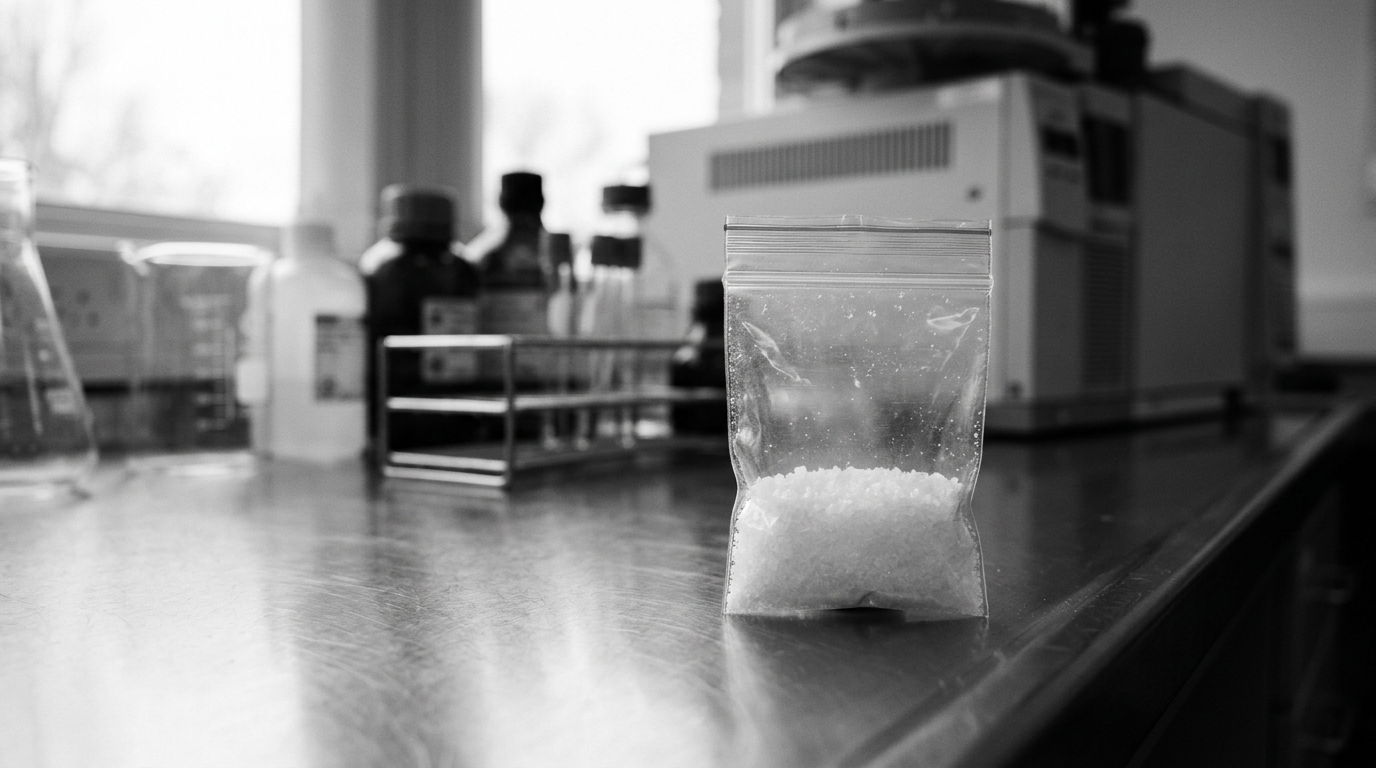
Suicide deaths involving the food preservative sodium nitrite increased in the United Kingdom between 2019 and 2024, according to an analysis based on confirmed cases. Researchers who reviewed 164 deaths said the rise was most pronounced among people under 45, and that males accounted for a larger share of the cases recorded.
Researchers said the evidence available points to deliberate self-poisoning rather than accidental exposure. They cited high concentrations of sodium nitrite found in blood samples, which they said aligns with intentional ingestion.
Access and online material flagged as key drivers
Public health experts said two factors appear to Public health experts said two factors appear to be contributing to the increase: sodium nitrite’s unrestricted availability and the spread of online material that describes how it can be used for self-harm. They argued that ease of purchase lowers practical barriers, while harmful digital content can increase awareness and circulate method details. Those concerns have expanded into calls for tighter legislative controls on how sodium nitrite is distributed, alongside stronger oversight of digital platforms that host or amplify content describing self-harm methods. Experts said any response that proves effective would need to address both the supply side and the information environment that can influence behaviour. Experts described the issue as an urgent safety problem requiring coordinated action combining legislation with digital governance. They also said the discussion raises a broader policy question for authorities: how to manage widely used chemical substances when patterns of misuse become linked to systemic risks of self-harm.
Testing inconsistencies may leave cases uncounted
Researchers cautioned that confirmed figures may not reflect Researchers cautioned that confirmed figures may not reflect the full scale of the problem. They said postmortem testing practices vary across jurisdictions, raising the risk that sodium nitrite involvement is missed when it is not routinely included in toxicology screening. That uncertainty, they said, complicates public health planning by weakening surveillance and potentially distorting assessments of how the trend is shifting over time. Researchers said more consistent postmortem testing protocols would help establish the true incidence and support prevention strategies built on more reliable data. They added that both the trajectory from 2019 to 2024 and its underlying drivers will remain difficult to measure precisely until testing becomes more standardised. As a result, officials and health services may face challenges in judging the pace of change while also responding to the risks highlighted by confirmed cases. Regulation debate weighs safety against lawful use The findings are feeding a wider policy debate over how far regulation should go to reduce misuse while protecting legitimate industrial and food-related uses. Researchers and experts said officials and lawmakers may face pressure to design rules that reduce harmful access without blocking lawful applications.
Experts said the pattern observed over 2019 to 2024 adds urgency to decisions on oversight. At the same time, they said possible under-detection makes it harder to assess the trend with precision until testing practices become more consistent.