Coatue hedge fund slides after AI stock selloff hits longs
Coatue hedge fund fell 8.3% in July as AI-linked holdings sank, though it remained up 14.3% for the year.
Atlas Newsdesk ·
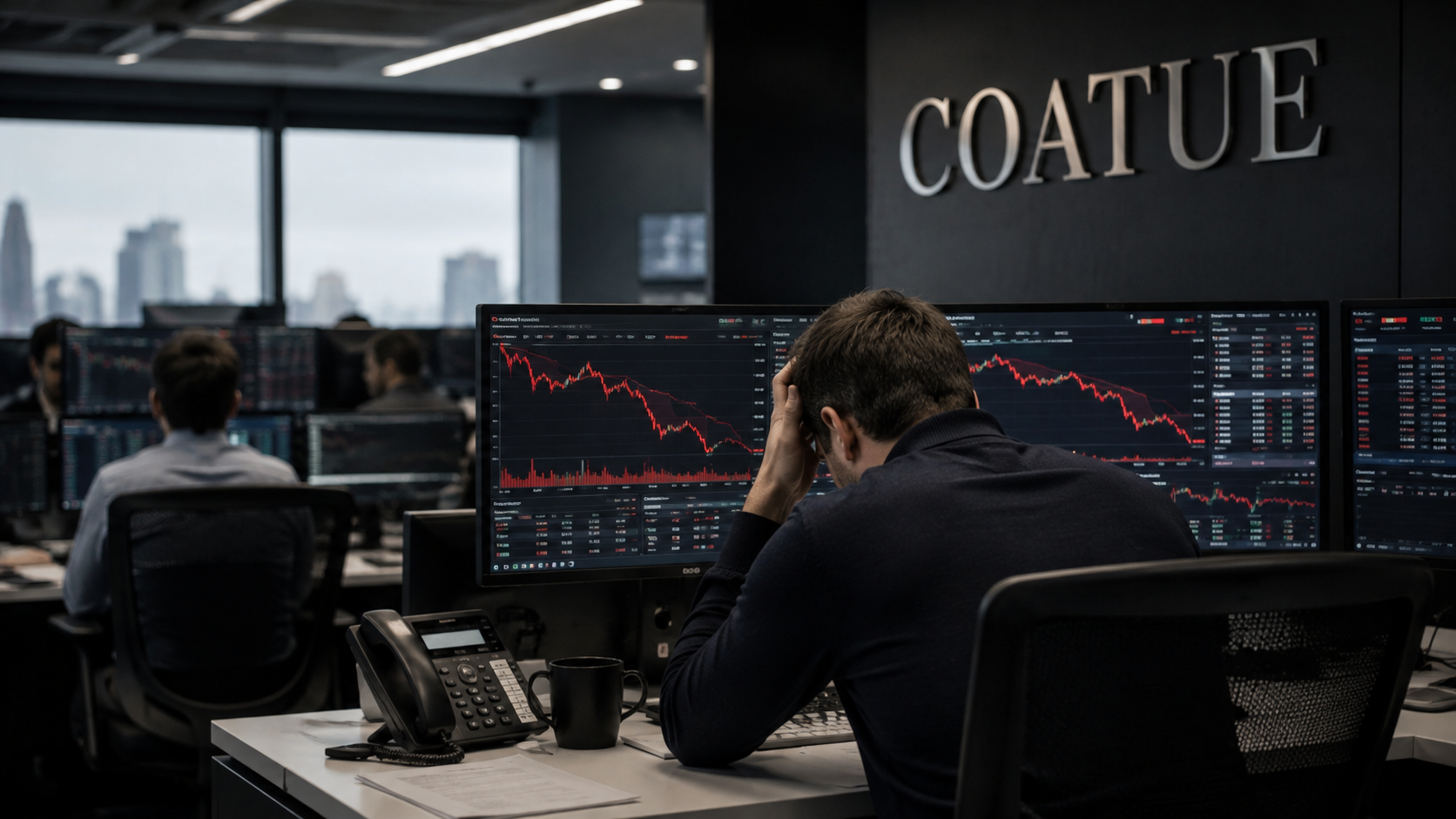
Coatue hedge fund fell 8.3% in July as AI-linked holdings sold off. A person familiar with the private figures said it is still up 14.3% this year.
The July drop was the weakest monthly result for Philippe Laffont’s fund in more than a year, according to the person, who asked not to be identified because the numbers are not public. A representative for Coatue, which manages about $90 billion, did not immediately comment.
The reversal hit after several of Coatue’s largest US-listed bullish positions tied to artificial intelligence and semiconductors fell sharply. The decline put renewed attention on how concentrated technology exposure can help returns in rallies and amplify losses when momentum breaks.
July hit the biggest longs
Coatue’s four largest bullish US-listed positions as of March 31 were all connected to the AI trade, according to the performance account. Taiwan Semiconductor Manufacturing Co. and GE Vernova Inc. each dropped more than 15% in July.
The pressure was heavier in semiconductor equipment. LAM Research Corp. and Applied Materials Inc. each fell more than 29% last month, according to the same account of the portfolio’s largest longs and market moves.
Those declines mattered because Coatue has been an outspoken believer in AI’s investment cycle. Laffont has argued that the technology could drive a coming supercycle, a view that helped position the firm toward companies expected to benefit from data-center buildouts, chips and power demand.
AI spending anxiety spread
The July selloff reflected investor concern over the scale of capital being committed to AI infrastructure. When markets begin questioning whether future revenue can justify near-term spending, richly valued suppliers can reprice quickly.
Another source of pressure was forced selling connected to Situational Awareness, a hedge fund that sold most of its public equity portfolio to Ken Griffin’s Citadel to meet margin calls, according to the account. Such episodes can spread stress beyond one fund by adding supply to crowded trades.
Coatue had already experienced a volatile year before July. The fund fell nearly 5% in March as conflict in the Middle East unsettled markets, then recorded its strongest month in 25 years in May, according to the person familiar with the returns.
Coatue faces three paths
The first path depends on whether AI shares stabilize. If investors regain confidence that infrastructure spending will translate into earnings, global risk appetite could recover, Coatue’s drawdown may narrow, and chip suppliers could regain support from long-only and hedge-fund buyers.
A second path would open if doubts about AI capital spending deepen. In that case, global markets could treat high-growth technology as a tighter financial-conditions channel, Coatue would face more pressure from concentrated longs, and semiconductor valuations could reset as investors demand clearer profit conversion.
A third path turns on market plumbing rather than AI fundamentals. If forced selling remains isolated, the July damage may look like a positioning shock; if margin-related liquidations spread, Coatue and other technology-focused managers could face sharper risk cuts across the same crowded names.
The central uncertainty is whether July was a valuation reset, a temporary liquidity break or an early sign that AI spending expectations have outrun earnings visibility. The next signals will come from fund exposure changes, semiconductor earnings commentary and whether large AI infrastructure buyers keep expanding budgets.