Clarity Act delay pushes Senate crypto vote to September
The Clarity Act will wait until September as Senate leaders seek 60 votes and weigh ethics language tied to President Trump's crypto interests.
Jason Kwon ·
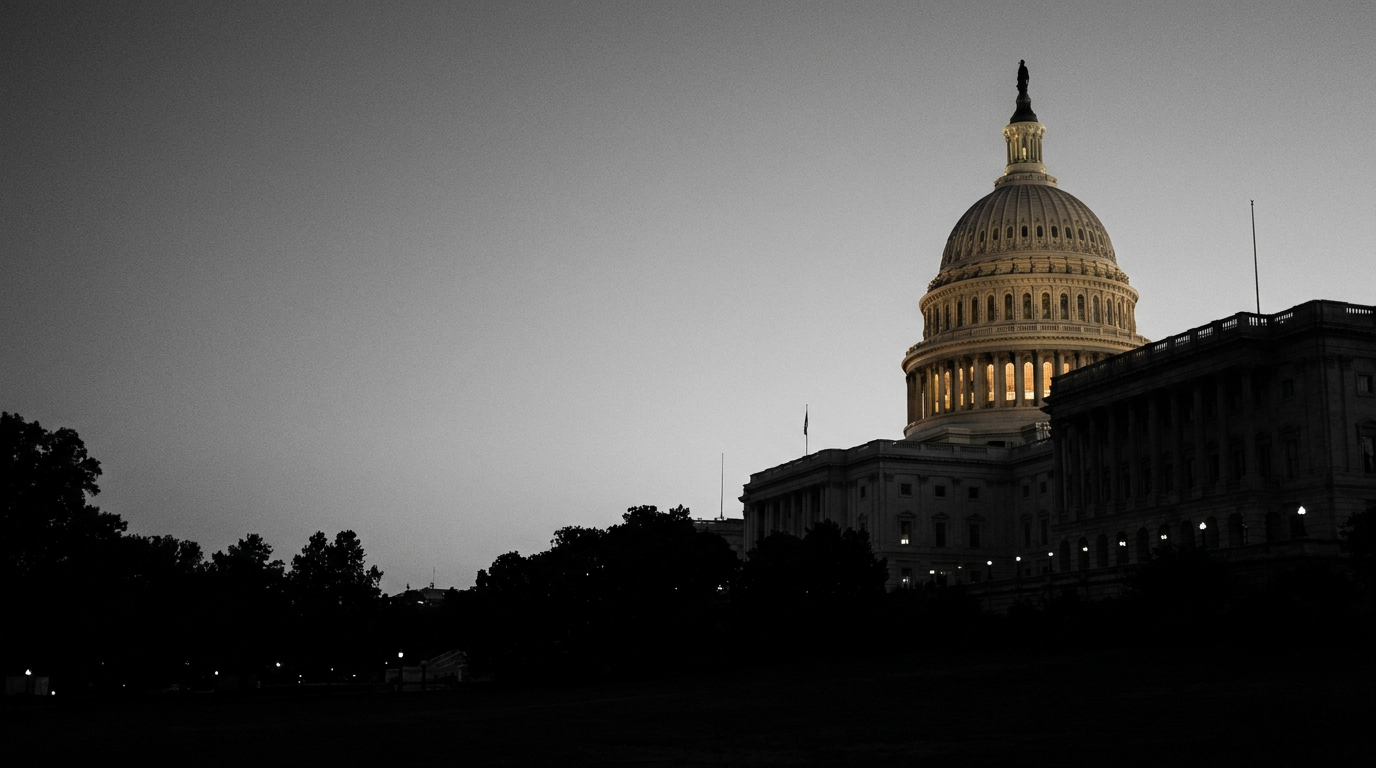
The Clarity Act will wait until September after Senate leaders delayed a crypto vote past the August recess. The pause leaves a 60-vote hurdle.
Senate Majority Leader John Thune (R-S.D.) said Senate Democrats opposed holding a vote before lawmakers leave Washington. He said Democrats were "insistent on no Clarity vote," while adding that "we're getting that queued up first thing when we come back."
September vote faces 60 votes
The delay shifts any procedural movement on the crypto market-structure bill into a narrow September window before November's elections. Under Senate rules, the measure needs 60 votes to advance, which means Republican leaders need at least some Democratic support if all members are present.
A person familiar with the matter said Democrats were reluctant to take a procedural vote given the potential political effects before the midterm elections. That account is single-sourced, and it describes political calculations rather than a public Democratic statement.
The extra time may help backers work on vote counts, but it also gives opponents more room to press for changes. The bill has drawn interest from crypto companies seeking federal rules, while support among Republicans has not been fully settled, according to the source material.
Ethics language targets crypto assets
The latest complication is an ethics proposal from Senators Ruben Gallego and Thom Tillis that is now being weighed by President Trump. The proposal would let state attorneys general enforce a ban on public officials and their spouses launching digital tokens or sponsoring crypto assets.
A reported provision would also require Trump to divest from crypto-related businesses. That language places the bill closer to the White House's own financial exposure, as President Trump's official memecoin project and ties to World Liberty Financial have drawn scrutiny.
The ethics issue changes the bill's political math. A measure designed to set rules for digital assets now also tests whether Congress can write crypto legislation while addressing conflicts tied to elected officials and their families.
Crypto groups confront calendar risk
Industry groups said they were disappointed by the delay but plan to keep working with lawmakers in both parties. Their immediate problem is timing: September offers limited floor time, and election-season politics can make procedural votes harder to separate from campaign messaging.
For crypto firms, the Clarity Act matters because market-structure legislation could define how digital assets are supervised and which regulators take the lead. Without movement, companies remain exposed to a patchwork of enforcement, state-level actions and unresolved federal boundaries.
The global macro effect is narrower than a rates decision or fiscal package, but the legislation still matters for capital formation in a sector tied to dollar liquidity, stablecoins and risk appetite. If the bill advances in September, crypto companies could treat it as a signal that Congress remains capable of setting a federal framework before the election cycle fully hardens.
If the vote slips again, the mechanism runs the other way. The company-level effect would fall on issuers, exchanges and projects seeking rule clarity; the sector effect would be a longer reliance on litigation, agency guidance and state enforcement.
The central open question is whether Senate leaders can align ethics language, Democratic procedural support and wavering Republican votes in the same month. If those pieces hold, the Clarity Act gets a path to debate; if one breaks, the bill becomes another crypto policy fight pushed deeper into election season.