Bioengineered yeast produces vinblastine precursor
Bioengineered yeast produced a vinblastine precursor at 164.9 mg/L, a 1,000-fold gain, potentially reducing Madagascar periwinkle reliance.
Atlas Newsdesk ·
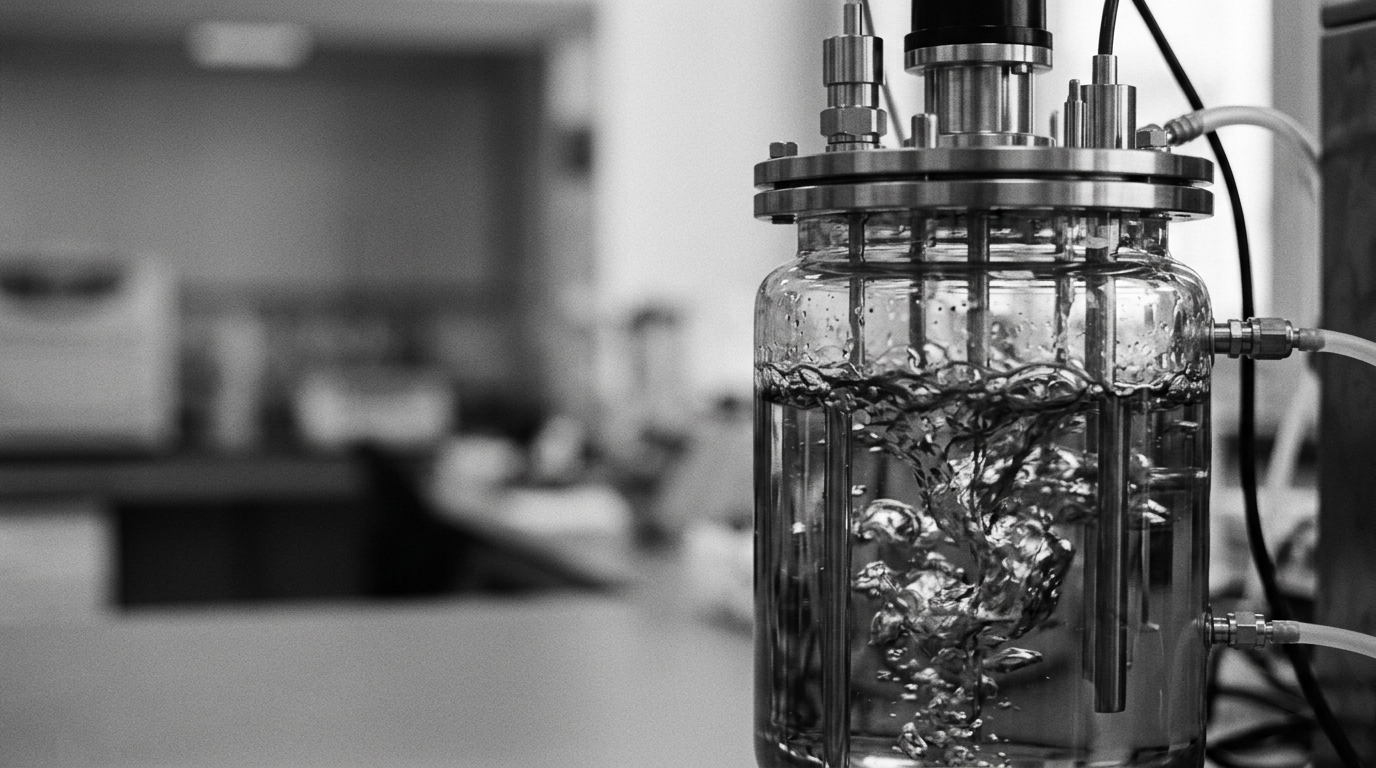
Researchers said they have engineered brewer’s yeast to produce catharanthine, a direct precursor used in making the anticancer drug vinblastine, reaching an output of 164.9 milligrams per liter. Officials involved in the work described the result as a 1,000-fold increase versus earlier benchmarks. They said the objective is to reduce dependence on plant extraction linked to the Madagascar periwinkle.
According to the researchers, vinblastine supply has traditionally relied on harvesting the Madagascar periwinkle and extracting required compounds from the plant. They said that approach has been associated with repeated constraints on availability and pricing. To illustrate the scale of the issue, the team cited a commonly referenced ratio: producing one gram of the drug can require two tons of plant material.
Yeast fermentation replaces a plant-based bottleneck Researchers said Yeast fermentation replaces a plant-based bottleneck Researchers said the new method aims to shift Researchers said the new method aims to shift a critical input for chemotherapy manufacturing away from resource-intensive plant harvesting. They described plant sourcing as vulnerable to agricultural variability and extraction constraints, which they said can add cost pressure and contribute to supply volatility. The researchers framed catharanthine as a key building block for vinblastine production, and said producing it in a microbial system could provide a more controllable route. They added that, in principle, fermentation-based manufacturing can be scaled more predictably than botanical extraction once technical performance is validated beyond the lab. A 30-step synthetic pathway built into brewer’s yeast The team said the reported increase in output follows the insertion of a 30-step synthetic pathway into brewer’s yeast. In their account, the pathway enables catharanthine to be assembled through fermentation rather than being sourced from the Madagascar periwinkle. Researchers also pointed to technical challenges inside the Researchers also pointed to technical challenges inside the cell that had previously limited practicality. They said the engineered system stabilizes intermediates that were difficult to work with because they were volatile, and presented that stabilization as a major factor supporting higher production levels on a microbial platform.
Commercial adoption depends on scale-up and regulation
Researchers said the reported output level suggests a possible change in how drug-building blocks are sourced, with fermentation potentially replacing part of the current plant-dependent model. They said the shift could lower production costs and reduce supply swings for an essential chemotherapy agent by reducing exposure to agricultural and extraction constraints. They also said that They also said that, if the synthetic pathway can be scaled successfully, it could reshape pharmaceutical sourcing models and influence how markets value oncology therapeutics that have historically depended on plant-derived inputs. However, they stressed that moving from laboratory-scale fermentation to industrial manufacturing is the crucial test, where yield, batch-to-batch consistency, and operational stability would be evaluated.
Regulatory approval pathways for bio-manufactured drug precursors were cited as another major determinant of when such methods could enter commercial supply chains. Researchers said the timeline remains uncertain until progress on scale-up and regulatory steps becomes clearer.