China Sets Modest Growth Target, Focuses on Tech
China's NPC approved a 4.5-5% growth target for 2026-2030, its lowest in decades, focusing on tech self-reliance and digital yuan expansion.
Lauren Collins ·
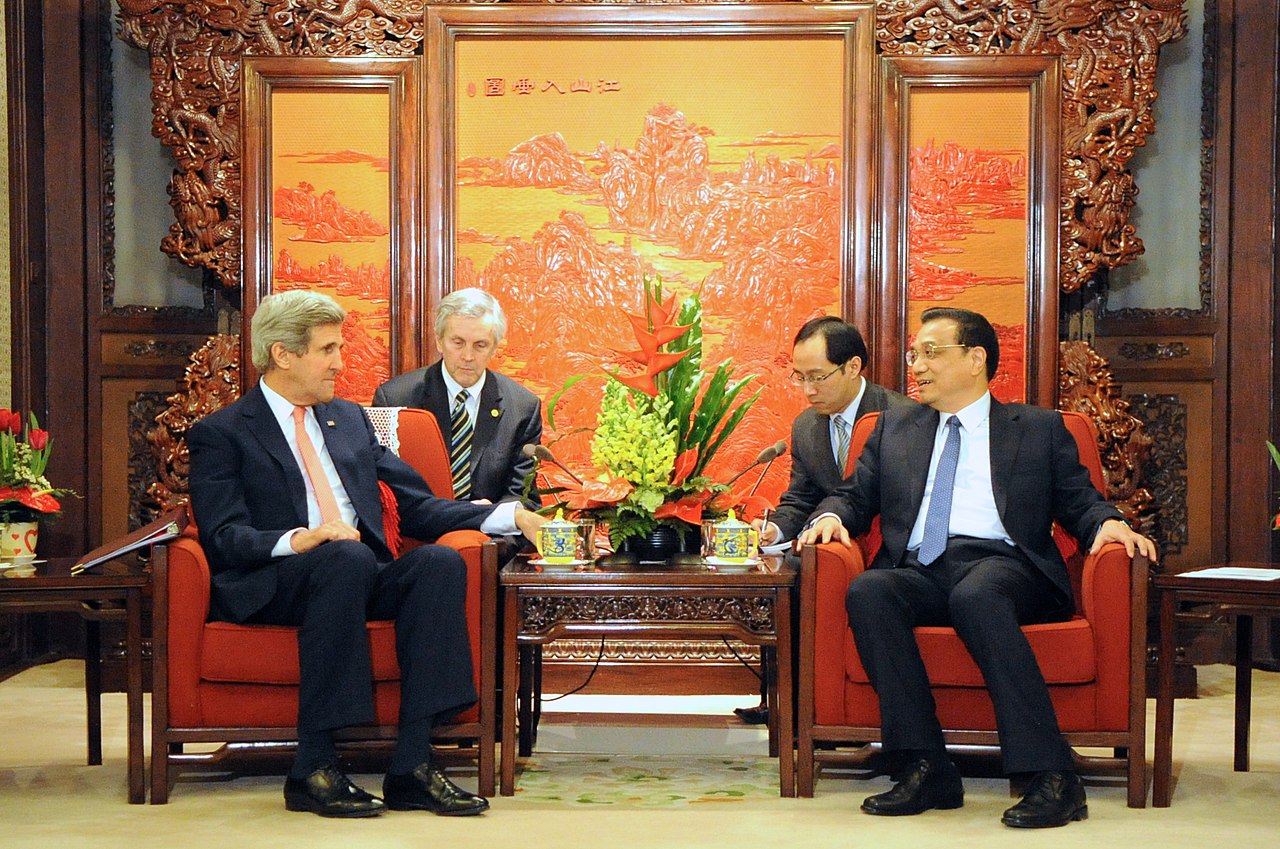
China's National People's Congress (NPC) concluded its annual session in Beijing on March 12, 2026, endorsing an economic growth target of 4.5% to 5% for the 2026-2030 five-year plan. This projection marks the lowest growth ambition for China in nearly three decades, excluding the period directly impacted by the COVID-19 pandemic. The strategic shift signals Beijing's focus on qualitative development over rapid expansion.
The newly approved 15th five-year plan outlines a comprehensive economic strategy aimed at transforming China into a "moderately developed" nation by 2035. A key metric for this ambition is achieving a gross domestic product (GDP) per capita of $20,000, a significant increase from the $13,303 recorded in 2024. This long-term vision underscores a reorientation of economic priorities.
Strategic Industrial Development
Beijing has identified several emerging technologies as crucial for future development. These include future energy solutions, quantum technology, embodied artificial intelligence, brain-computer interfaces, and the advancement of 6G communication networks. These areas are expected to receive substantial investment and policy support to accelerate their growth and application.
Digital Currency Expansion
Anti-Corruption Efforts Intensify
China is also preparing to enact new legislation specifically targeting cross-border corruption. This upcoming law is designed to extend the reach of the anti-corruption drive, encompassing state entities, the military, and the private sector. The initiative aims to bolster governance and ensure accountability across various national domains, reinforcing the rule of law within the economic framework.
Economic Rebalancing and Global Context
This strategic pivot is expected to have significant implications for global markets, particularly for industries reliant on Chinese manufacturing and consumption. As China prioritizes self-sufficiency in key technologies, international companies may face increased competition or new opportunities for collaboration in specialized sectors. The long-term success of these initiatives will depend on effective implementation and adaptation to evolving global dynamics.
Implications
Country Impact: China's shift to a lower growth target and focus on technological self-reliance indicates a strategic reorientation towards sustainable, high-quality development. This could lead to a more resilient domestic economy but may also present challenges in maintaining employment levels and managing regional disparities.
Industry Impact: Industries like AI, aerospace, biomedicine, and integrated circuits are poised for significant state investment and growth within China. Foreign companies in these sectors may face increased competition from state-backed Chinese firms, while others might find opportunities in niche collaborations or by adapting to China's evolving supply chain demands.
Market Impact: Global markets may see reduced demand for certain raw materials and components as China boosts domestic production in strategic sectors. The expansion of the digital yuan could impact international payment systems and potentially challenge the dominance of traditional currencies in cross-border transactions, influencing FX markets.