EU Plans Industrial Overhaul Amid Rising China Trade Deficit
The EU's Industrial Accelerator Act aims to counter trade deficits with China in EVs and batteries, protecting vital domestic industries.
Atlas Newsdesk ·
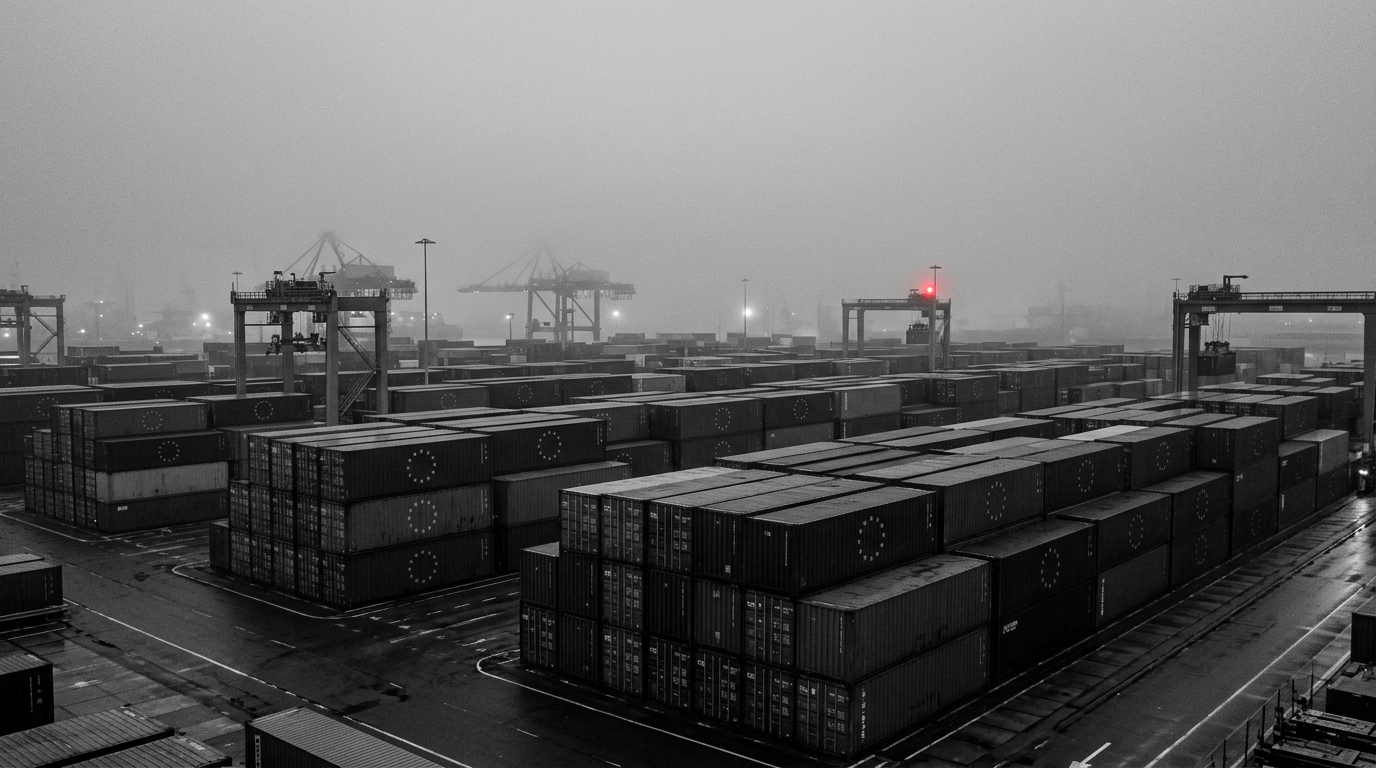
European Union industry leaders and legislative bodies are increasingly endorsing the European Commission's proposed Industrial Accelerator Act (IAA). This legislative initiative seeks to address a substantial influx of Chinese imports into the bloc, aiming to rectify a growing trade imbalance. The IAA's primary objective involves introducing limitations on Chinese investments within strategic European sectors.
Key areas targeted for these restrictions include electric vehicles (EVs), battery manufacturing, and critical raw material supply chains. Furthermore, the proposed act intends to establish mandatory local content requirements for public procurement contracts. This measure aims to bolster domestic production and safeguard European industries from foreign competition. The policy adjustment responds to a significant expansion of the European Union's trade deficit with China, which has reportedly exceeded €1 billion daily.
Addressing the Expanding Trade Gap
Data indicates that the daily trade deficit surpassing €1 billion highlights the economic pressures confronting European manufacturers. A significant factor contributing to this imbalance has been the surge in automotive imports from China. These imports escalated from €14.5 billion in the first half of 2025 to more than €20 billion during the corresponding period in 2026. This considerable increase has intensified calls from European domestic industries for protective measures against external competition.
The proposed IAA therefore represents a comprehensive effort to reassess trade dependencies and reinforce the bloc's manufacturing base. This initiative is designed to counteract what some officials describe as unfair competition practices and an over-reliance on external supply chains, particularly those originating from China.
Germany's Policy Pivot
Germany, a prominent member state within the European Union, has notably revised its approach to trade policy concerning China. Previously, German officials had expressed caution regarding potential retaliatory actions from Beijing. However, there has been a clear signal of a policy pivot.
This shift in perspective is largely attributed to severe domestic industrial contraction and the impending prospect of significant job losses, including the potential closure of major automotive manufacturing facilities within Germany. Consequently, Berlin is now actively advocating for more assertive trade protections at the EU level. This strategic change reflects broader concerns about the European Union's overall economic resilience and its capacity to maintain competitiveness in crucial industrial sectors.
Protecting Critical Industries
European officials characterize the Industrial Accelerator Act as a crucial instrument for addressing fundamental economic imbalances. While the Commission maintains that ongoing dialogue with Beijing remains essential, the strategic focus has clearly shifted towards deploying more defensive trade tools. The primary is to protect the European Union's critical technological and industrial base from what is perceived as unfair competition and an excessive reliance on external supply chains, particularly from China.
The proposed legislation aligns with a broader global trend among major economic powers. Many nations are reassessing their trade relationships and implementing measures to safeguard national interests and industrial capabilities. The outcome of the IAA's implementation could significantly reshape trade dynamics between the EU and China, potentially affecting global supply chains and investment flows in crucial sectors. Future discussions and negotiations between the two economic blocs will be pivotal in determining the full scope and impact of these new trade regulations.