China says Japan-India minerals cooperation should not target Beijing
Beijing responded after India and Japan agreed to deepen cooperation on critical minerals used in advanced manufacturing.
Mateo Fernandez ·
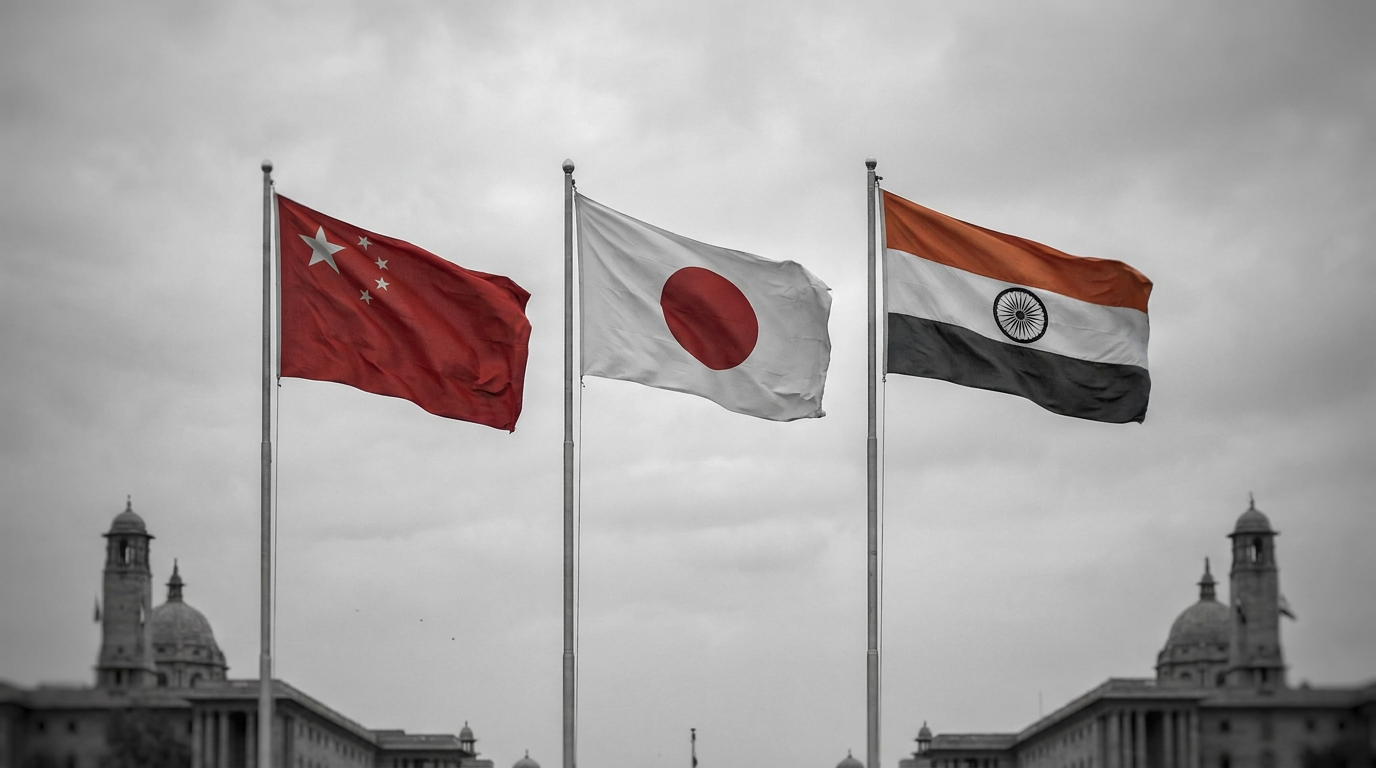
China said on Friday, July 3, that cooperation between India and Japan “should not target” Beijing, after the two countries’ leaders agreed to work more closely on critical minerals. Reaction pending, with the immediate market read likely to fall on Asian supply-chain, defense and clean-tech exposures.
Beijing challenges mineral alignment
Officials said cooperation among countries should support regional peace and stability rather than focus on a third party. The comment puts Beijing’s political marker on a supply-chain issue that sits at the center of electric vehicles, smartphones, jet engines and other strategic manufacturing.
The India-Japan push reflects a wider effort by major Asian economies
to secure materials that underpin batteries, electronics and advanced defense systems.
If the partnership stays framed as commercial diversification, the macro effect is
likely to be gradual: more procurement deals, more processing investment and less reliance on single supply routes.
If the cooperation instead hardens into an explicitly China-focused bloc, the effect could move from industrial policy into trade friction. For Beijing, the risk is that regional partners accelerate supply networks outside China’s orbit; for India and Japan, the risk is higher costs if alternative sources and processing capacity are not ready at scale.
Over the next 24 hours after the July 3 remarks, the key test is whether Indian or Japanese officials clarify the scope of the minerals cooperation. Any language on stockpiles, export controls or joint financing would give investors a cleaner signal on whether this is supply-chain insurance or a sharper geopolitical alignment.