China financial policy leaders coordinate to address market.
China's top economic regulators will speak at the Lujiazui Forum, presenting key monetary and regulatory policies to revitalize the sputtering national…
Mei Lin ·
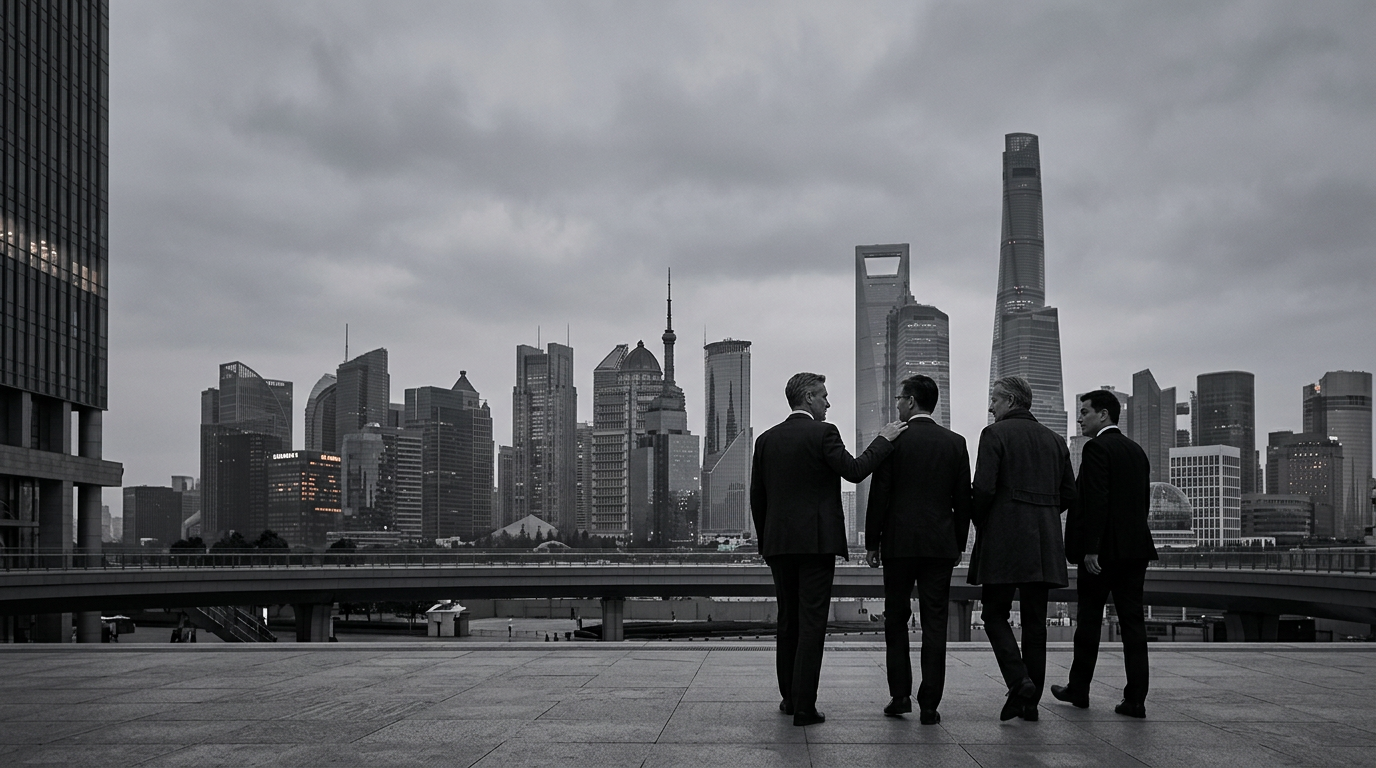
China financial policy adjustments are highly anticipated as top regulators prepare to address the annual Lujiazui Forum in Shanghai this Wednesday.
The high-profile gathering arrives during a critical period of economic deceleration for the country. Analysts expect policymakers to utilize the platform to announce targeted measures for stabilizing national financial markets.
High-Level Policymakers Mobilize
The annual event serves as a premier venue for China's economic leadership to communicate directly with global financial executives. This year's speaker lineup features the country’s most influential regulatory chiefs, highlighting the official significance of the upcoming discussions.
Vice Premier He Lifeng will deliver the keynote address to outline the government's broader economic trajectory. Prominent attendees include central bank Governor Pan Gongsheng and securities regulator Wu Qing, both of whom carry substantial influence over market liquidity and investor sentiment.
Additionally, National Financial Regulatory Administration head Ding Xiangqun and foreign exchange chief Zhu Hexin will participate. Their collective presence suggests coordinated messaging across banking, securities, and currency management sectors.
The concentration of these top officials indicates that any announcements will likely represent a unified front. International observers will monitor how these distinct regulatory bodies plan to synchronize their domestic and international strategies.
Targeting Sputtering Economic Momentum
China currently battles persistent structural challenges, including a prolonged real estate downturn and sluggish domestic consumption. Systemic debt among local governments continues to weigh heavily on provincial development plans. Consequently, market participants are looking for concrete policy direction to restore international investor confidence.
Historically, Chinese authorities have utilized the Shanghai-based forum to signal major pivots or launch structural reforms. Last year's event saw officials hint at capital market adjustments that were subsequently implemented to stabilize local shares.
Experts believe the central bank may reference interest rate strategies and reserve requirement ratio cuts during the summit. Any guidance regarding the yuan's valuation will also be closely scrutinized amid ongoing capital outflow pressures. The central bank faces the delicate task of lowering borrowing costs without inducing excessive currency depreciation.
Industrial policies and technological innovation funds are also expected to feature prominently. Beijing has repeatedly expressed a desire to transition from property-driven growth to advanced manufacturing and high-tech sectors.
Implications for Global Markets
The policy signals emerging from Shanghai will likely dictate international capital flows into Chinese assets for the remainder of the fiscal year. Clear regulatory frameworks could encourage foreign institutional investors to return to mainland equity markets after months of structural outflows.
However, vague declarations may exacerbate existing market skepticism regarding Beijing's willingness to implement deep economic reforms. Global financial networks remain highly sensitive to any shifts in Chinese monetary and regulatory postures.
Ultimately, the forum represents a decisive opportunity for Beijing to project stability to a wary global audience. The incoming announcements will clarify whether China intends to rely on traditional credit expansion or pivot toward comprehensive regulatory restructuring. How the market reacts to these updates will determine near-term liquidity conditions across Asia.