China factory activity slows; May PMI slips to 50 amid break
China factory activity slowed in May as PMI hit 50, while services ticked up to 50.1, underscoring holiday disruptions and fresh calls for policy support.
Atlas Newsdesk ·
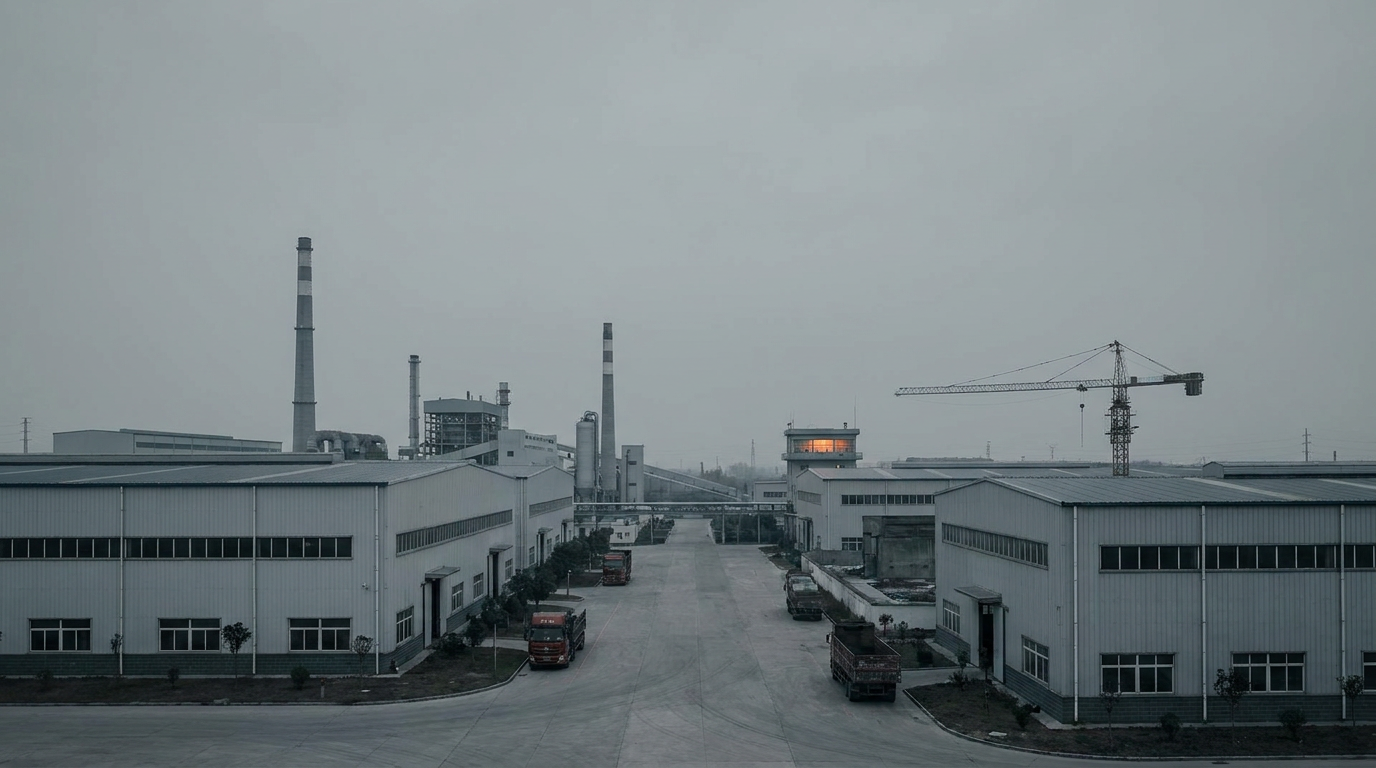
China factory activity slowed in May as PMI hit 50, while services ticked up to 50.1, underscoring holiday disruptions and fresh calls for policy support.
Manufacturing momentum softened as the official purchasing managers’ index eased to 50 in May from 50.3 in April, the National Bureau of Statistics said Sunday. The outcome aligned with a Bloomberg survey median of 50, suggesting factories were barely expanding after a five-day Labor Day holiday and amid higher input costs linked to turmoil in the Middle East.
Manufacturing Cools, Services Stabilize
The non-manufacturing gauge, covering services and construction, improved to 50.1 from 49.4, edging back above the expansion threshold. A print of 50 separates growth from contraction, indicating a tentative rebound in domestic services alongside softer factory output.
China’s broader economy has shown signs of losing steam following a solid first quarter. April data signaled broad-based slowing, with industrial production and retail sales logging some of their weakest increases in years and prompting renewed appeals from economists for stronger policy backing.
Policy Moves and Consumer Push
Beijing has begun to respond. In May, the People’s Bank of China allowed the interest rate on its one-year policy loan to banks to fall to a record low, aiming to reduce funding costs and support credit conditions.
Authorities also unveiled measures to widen access to urban public services such as schooling and healthcare. The plan could extend eligibility for migrant residents, part of a broader push to raise living standards and foster more durable consumer spending.
Holiday scheduling likely distorted some factory metrics, with the extended May break interrupting production schedules. Even so, firms continue to face external headwinds, as elevated shipping and commodity costs and softer global orders weigh on margins and output plans.
Outlook and Risks
The split picture—manufacturing hovering at the expansion line and services nudging higher—keeps attention on the policy path into midyear. Further calibrated monetary easing, targeted fiscal support, or additional measures to bolster household income could be considered if growth indicators stay subdued.
Upcoming releases will clarify momentum into the third quarter. Markets will watch June PMIs, any follow-through on expanding service access for migrants, and signals on export orders and input prices as gauges of whether May’s dip was temporary or part of a broader downshift.
For now, the latest readings suggest resilience in parts of the services economy but lingering pressure on factory floors. Sustained recovery will likely depend on stabilizing external demand and the depth and timing of domestic policy support.