Kansas City to host 2026 World Cup base camps for England and Argentina
Kansas City will host four World Cup national team base camps, including England and Argentina, leveraging significant local soccer infrastructure investments.
Mehmet Şahinoğlu ·
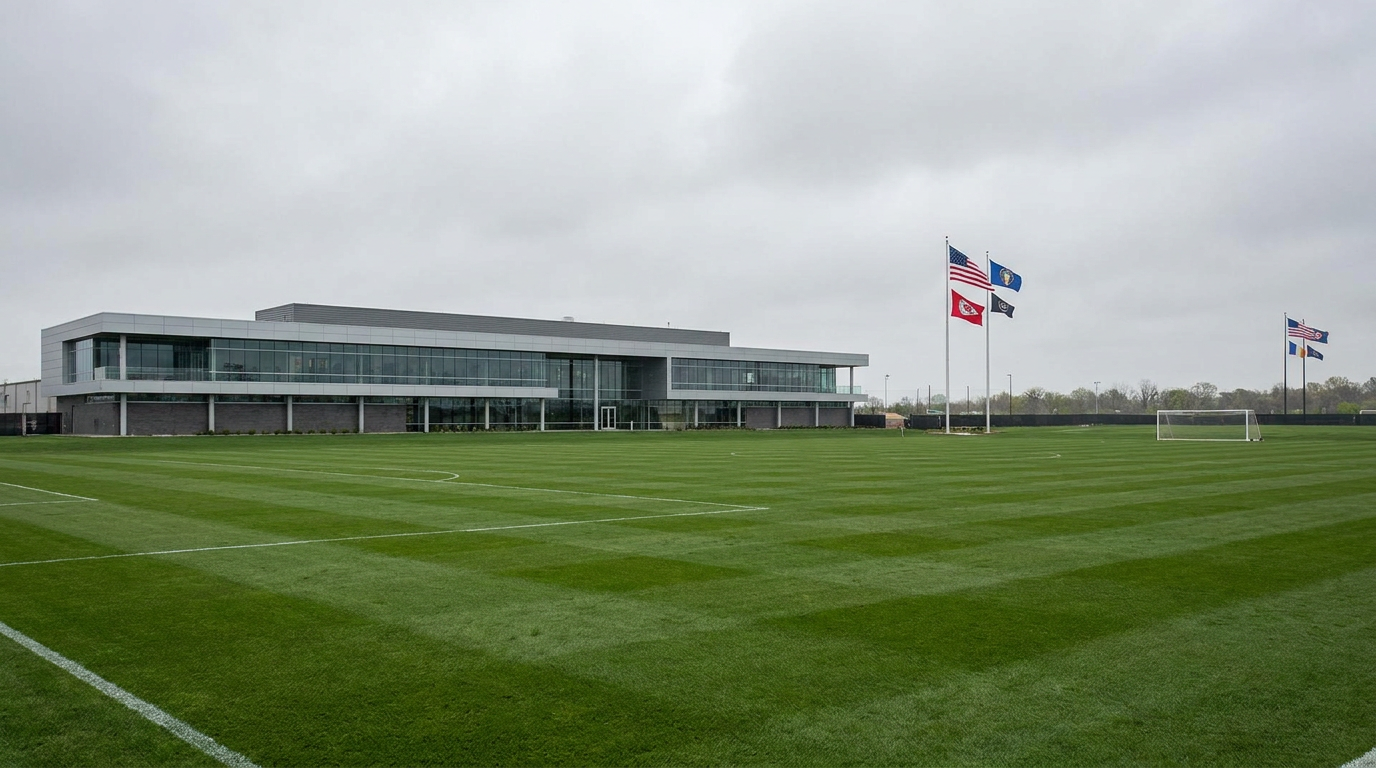
Kansas City, Missouri, will serve as a base-camp hub for the 2026 FIFA World Cup, with four national teams — including England, Argentina and the Netherlands — set to train and stay in the area, organizers said. The city will also stage six tournament matches and a FIFA Fan Festival in 2026, a portfolio local officials say represents the largest international sporting event in Kansas City’s history.
The selection caps years of lobbying and investment, despite Kansas City being the least populous of the 11 U.S. host cities. Local leaders said the designation reflects a sustained push to position the region as a soccer operations center capable of handling extended team stays, training logistics and high-demand fan programming over the tournament window.
Sporting Kansas City executives — led by club president and CEO Jake Reid — hosted multiple visits, prepared detailed pitches and emphasized the city’s readiness to handle large-scale international events. Delegations were shown the region’s soccer facilities, hotel capacity and transportation plans designed to minimize travel time during the tournament.
Since 2009, public and private stakeholders have invested roughly $700 million in soccer infrastructure across the metropolitan area. Those projects include Sporting Park, a soccer-specific stadium, and the Compass Minerals National Performance Center, a 52-acre complex that houses elite training fields and support facilities. Organizers said those assets were a central selling point for teams evaluating their World Cup bases.
Officials added that Kansas City’s central location helped its case, with flight times and time zones seen as manageable for traveling squads and staff. While the city has not previously hosted an event on the scale of a men’s World Cup, organizers expressed confidence in local operations and volunteer networks to support teams and visiting fans over an extended period.
Long-term investment anchors the bid
Kansas City has spent decades building a soccer identity, dating back to early investments by local sports ownership and culminating in the modern era with Sporting Kansas City’s stadium opening in 2011. The subsequent development of the Compass Minerals National Performance Center expanded the region’s high-performance footprint, giving teams access to dedicated pitches, recovery amenities and meeting spaces in one location.
Bid leaders said that continuity — facilities purpose-built for soccer and used year-round — resonated with federations seeking stability and privacy during a month-long tournament. The presence of an MLS club, established training routines and experienced match-day operations were presented as evidence that the region can meet World Cup standards.
Base-camp placements and tournament footprint
Four teams will be based in the greater Kansas City area, with England, Argentina and the Netherlands among the headline names. Algeria is set to be headquartered in nearby Lawrence, Kansas, giving the region a fourth camp within easy reach of downtown. Base camps typically pair a team hotel with a nearby training site, allowing squads to prepare between matchdays without long commutes.
Beyond the training bases, Kansas City will host six World Cup matches and a FIFA Fan Festival, concentrating a significant portion of the tournament’s footprint in and around the city. Local planners coordinated closely with FIFA during site visits, curating routes, staging community soccer activities and mobilizing volunteers to demonstrate year-round engagement with the sport.
City officials acknowledged the scale of the challenge — extended stays by teams with large global followings and multiple matchdays spread across the tournament window — but described it as a transformative opportunity for the region’s profile and hospitality sector. Organizers said work now shifts to final operational details around training schedules, transport, security and fan programming.
Finalized training-site assignments, team arrival timelines and public fan-festival programming are expected to be detailed closer to the tournament as Kansas City continues preparations in coordination with FIFA and participating federations.