Chess Grandmasters Face AI
Grandmaster Jon Speelman highlights how chess engines are revolutionizing opening preparation, introducing unexpected moves that challenge human intuition.
Mehmet Şahinoğlu ·
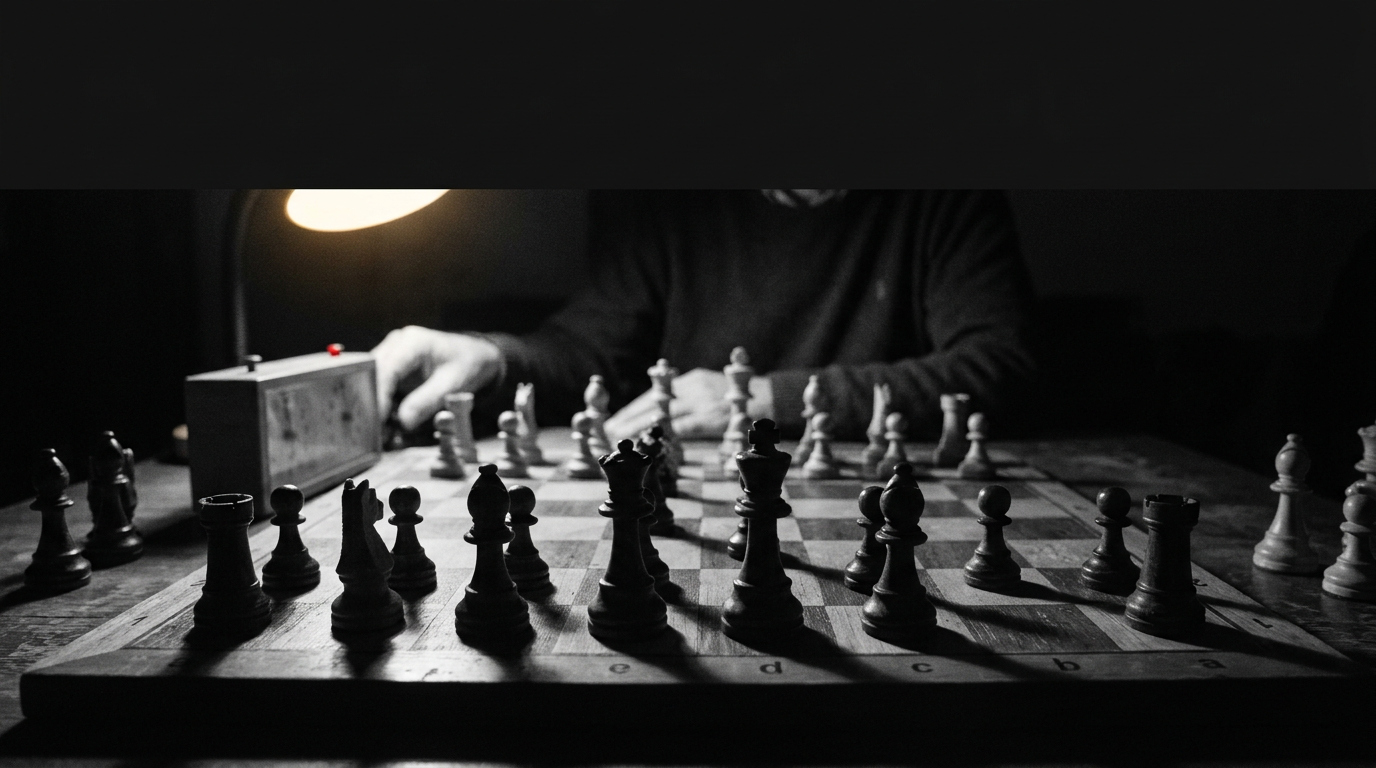
Grandmaster Jon Speelman highlights the escalating challenge chess players encounter from computer-assisted opening preparation, often termed "centaur" play. This human-engine collaboration introduces unexpected moves, particularly when the engine generates ideas human intuition might overlook.
Computer-Assisted Chess Evolves
The integration of powerful chess engines into opening preparation has fundamentally altered competitive play. Speelman notes that while some computer-generated ideas stem from human concepts refined by machines, others originate purely from the engine's calculations. These machine-derived moves prove especially disruptive, often defying conventional human chess logic.
Caruana's Novelty at Grand Chess Tour Fabiano Caruana recently demonstrated this phenomenon at the Fabiano Caruana recently demonstrated this phenomenon at the Grand Chess Tour Finals, introducing a surprising opening novelty against Wesley So. This move, while computationally logical, appeared highly unconventional to human observers. Such instances underscore the deep preparation grandmasters undertake, frequently leveraging advanced analytical tools. Historical Precedents and Modern Challenges The article references historical examples of opening surprises, including Hikaru Nakamura's aggressive novelty against Sergei Karjakin and Frank Marshall's famous gambit against José Raoul Capablanca in 1918. These historical moments, though human-conceived, parallel the modern impact of computer-generated innovations. The constant evolution of opening theory, now heavily influenced by AI, demands continuous adaptation from top players. Strategic Implications for Professional Chess The prevalence of computer-aided preparation means players must master traditional opening theory and anticipate engine-driven deviations. This shifts the strategic focus from purely human intuition to a blend of human understanding and computational analysis. Players who effectively integrate engine insights into their repertoire gain a significant competitive edge. Outlook for Chess Development
Grandmaster Jon Speelman
The ongoing influence of AI suggests a future where opening theory expands at an accelerated pace. If engine capabilities continue to advance, players will increasingly rely on sophisticated software to uncover new lines and counter existing ones. This could lead to more complex and less intuitive opening phases, further differentiating players based on their ability to work with and understand AI-generated strategies. Adapting to the Machine's "Hooves" The primary open question remains how human players will adapt their training and competitive strategies to the relentless innovation of chess engines. If players effectively internalize and execute these machine-derived ideas, the game's theoretical depth will grow. If not, the gap between human and computer understanding of opening play may widen, pushing the boundaries of conventional chess.