IEA Releases Record Oil Reserves Amid Geopolitical Tensions
The IEA released 400 million barrels of oil from reserves, the largest in its history, to stabilize markets amid Middle East tensions.
Atlas Newsdesk ·
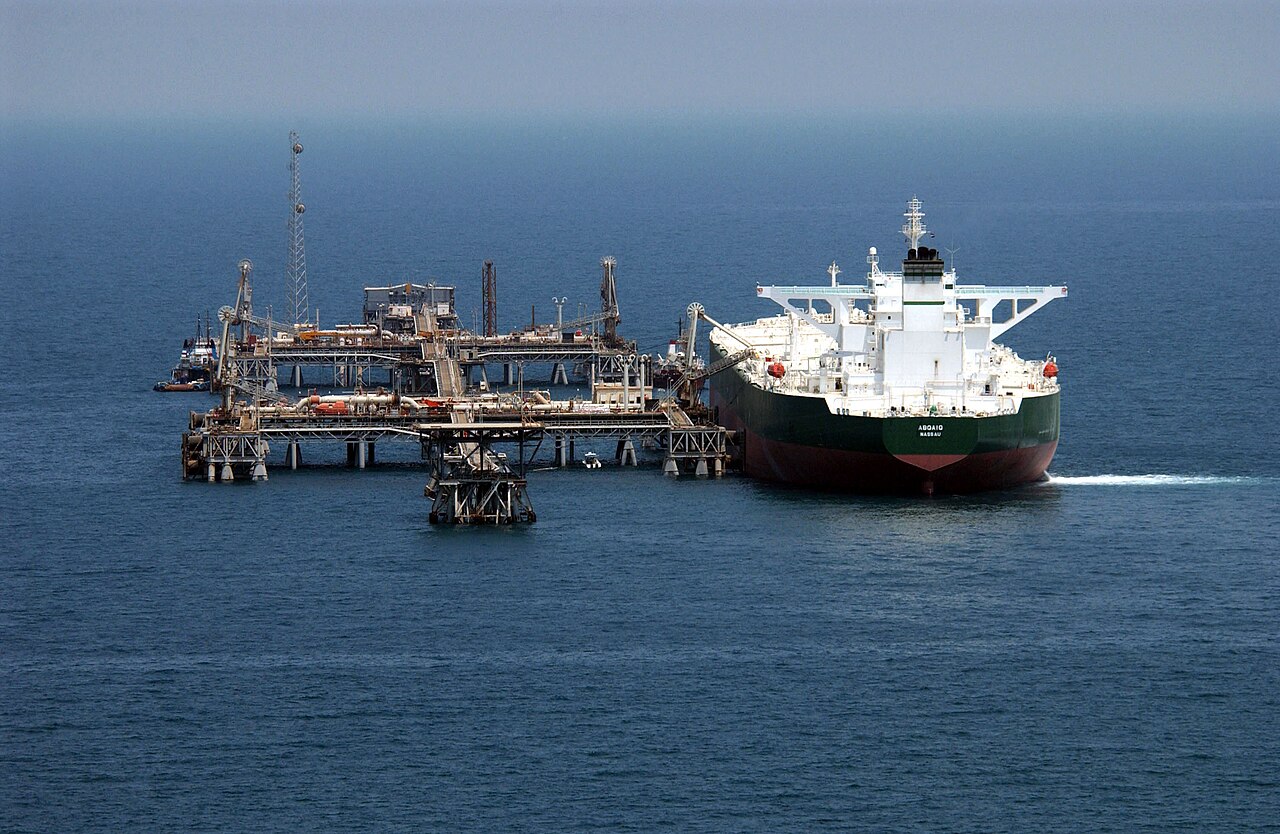
The International Energy Agency (IEA) has authorized the release of 400 million barrels of crude oil from its member nations' emergency reserves. This significant action, announced on Wednesday, represents approximately one-third of the IEA's total strategic stockpiles.
This coordinated release, the largest in the organization's history, aims to stabilize global oil markets. The decision comes in response to escalating geopolitical tensions in the Middle East, particularly the US-Israel conflict with Iran, which has driven up crude prices.
Historical Context of IEA Actions
Since its establishment in 1974, the IEA has initiated only five such coordinated releases of strategic petroleum reserves. This infrequent use underscores the gravity of the current market disruption and the perceived threat to global energy security.
Previous IEA interventions have historically led to a reduction in oil prices, typically ranging from $10 to $20 per barrel. However, market analysts are evaluating whether this current release will have a similar impact given the ongoing nature of the Middle East conflict.
Supply Concerns and Market Vulnerability
Concerns persist regarding the potential for prolonged disruptions to global oil supplies. A key vulnerability is the Strait of Hormuz, a vital maritime chokepoint through which approximately 10 million barrels of oil transit daily. Any closure or significant disruption in this strait could severely impact global supply chains.
The IEA's current release translates to an estimated 2.5 million barrels per day entering the market. While substantial, experts question if this volume would be sufficient to offset a major, sustained supply interruption, particularly if the conflict intensifies or broadens.
Member Contributions and Future Outlook
Member countries, including the United Kingdom, are contributing to this collective effort, fulfilling their obligations to maintain emergency oil reserves equivalent to at least 90 days of net imports. This multilateral response highlights the global nature of energy security challenges.
Despite the immediate relief provided by the release, the finite nature of these strategic reserves raises questions about long-term market stability. The careful management and deployment of these assets are crucial, as they represent a last line of defense against severe supply shocks.
The current situation underscores the global economy's inherent vulnerability to oil price volatility, especially when intertwined with complex geopolitical dynamics. The effectiveness of this record release will be closely monitored as the Middle East situation evolves.
Implications
Country Impact: The coordinated release demonstrates international cooperation among IEA members to address energy security. However, it also highlights the vulnerability of oil-importing nations to geopolitical events in the Middle East.
Industry Impact: The oil and gas industry faces continued price volatility and supply chain risks. While the release offers short-term relief, it underscores the need for diversified energy sources and resilient infrastructure.
Market Impact: Global oil markets may see temporary price stabilization, but the long-term impact depends on the duration and intensity of geopolitical conflicts. Energy stocks and related sectors could experience fluctuations based on supply and demand dynamics.