California Delays Gas Price Cap Enforcement
California has delayed implementing a new law to cap gasoline refining profits, enacted in 2023, amid ongoing regulatory development.
Atlas Newsdesk ·
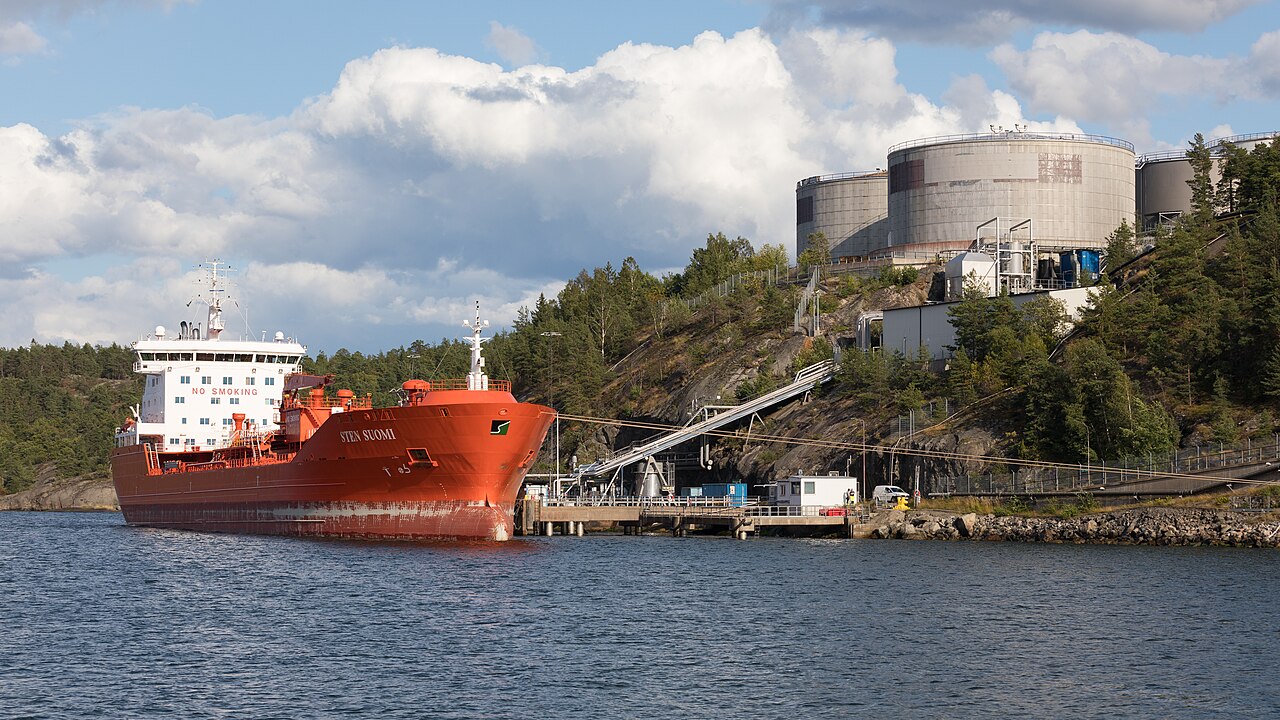
California authorities have postponed the activation of a new statute aimed at regulating gasoline refining profits, despite recent fluctuations in fuel costs. The legislation, passed in 2023, empowers the California Energy Commission (CEC) to establish a maximum gross refining margin for gasoline and levy penalties for non-compliance. This regulatory framework was conceived to address concerns about price gouging, particularly after a significant surge in gasoline prices during 2022.
Legislative Background and Intent
The law's genesis lies in the substantial increase in gasoline prices observed in California during 2022, which saw prices exceed $6 per gallon. This period reportedly generated an estimated $36 billion in profits for oil refiners. The legislative intent was to provide the state with a mechanism to intervene in the market and prevent similar price spikes, which had left California consumers paying significantly more than the national average, often by over $2 per gallon.
Regulatory Development Process
Since its enactment, the CEC has been engaged in formulating the specific regulations required to implement the law. This complex process involves defining what constitutes an "excessive" refining margin and designing a clear penalty structure for violations. The commission has been soliciting and reviewing public feedback on its proposed regulatory framework, a standard procedure for new state-level mandates.
Current Status and Timeline
As of the present, the CEC is still in the public comment review phase for these proposed regulations. A definitive decision regarding the full implementation of the law is not anticipated until late 2024 or early 2025. This extended timeline means that the state currently lacks the legal authority to impose price caps or penalize refiners under this specific legislation, leaving the market to operate without the intended state-level oversight.
Economic and Consumer Implications
The delay in activating these provisions means that California consumers remain exposed to the inherent volatility of the gasoline market without the protective measures envisioned by the 2023 law. The legislation was a direct response to persistent price disparities, where California's average gasoline price consistently surpassed the national average.
The absence of an active regulatory cap could allow for continued price fluctuations, potentially impacting household budgets and regional economic stability.
Future Outlook and Market Response
The eventual implementation of the price cap mechanism could introduce a new dynamic into California's energy market. Refiners and distributors will need to adapt to the new regulatory environment, which may influence supply strategies and pricing models. The ongoing development of these regulations highlights the state's efforts to balance market forces with consumer protection, a challenge that has historically characterized California's energy policy landscape.
Implications
Country Impact: The delay in California's gas price cap implementation could set a precedent for other states considering similar market interventions, influencing the broader national debate on energy regulation and consumer protection. It highlights the complexities of translating legislative intent into actionable policy.
Industry Impact: For the oil refining industry, the delay provides a temporary reprieve from new regulatory constraints in California, allowing current operational and pricing strategies to continue. However, the eventual implementation will necessitate adjustments to business models and profit margin expectations within the state.
Market Impact: The continued absence of a price cap leaves California's gasoline market susceptible to volatility, potentially leading to higher prices for consumers. This situation could impact consumer spending and contribute to inflationary pressures within the state's economy, affecting various sectors reliant on transportation costs.