British Army Halts Training Amid £1.4 Billion Cost Drive
The British Army has paused non-essential UK-based training exercises to achieve £1.4 billion in savings, aiming to align with defense budget priorities.
Lauren Collins ·
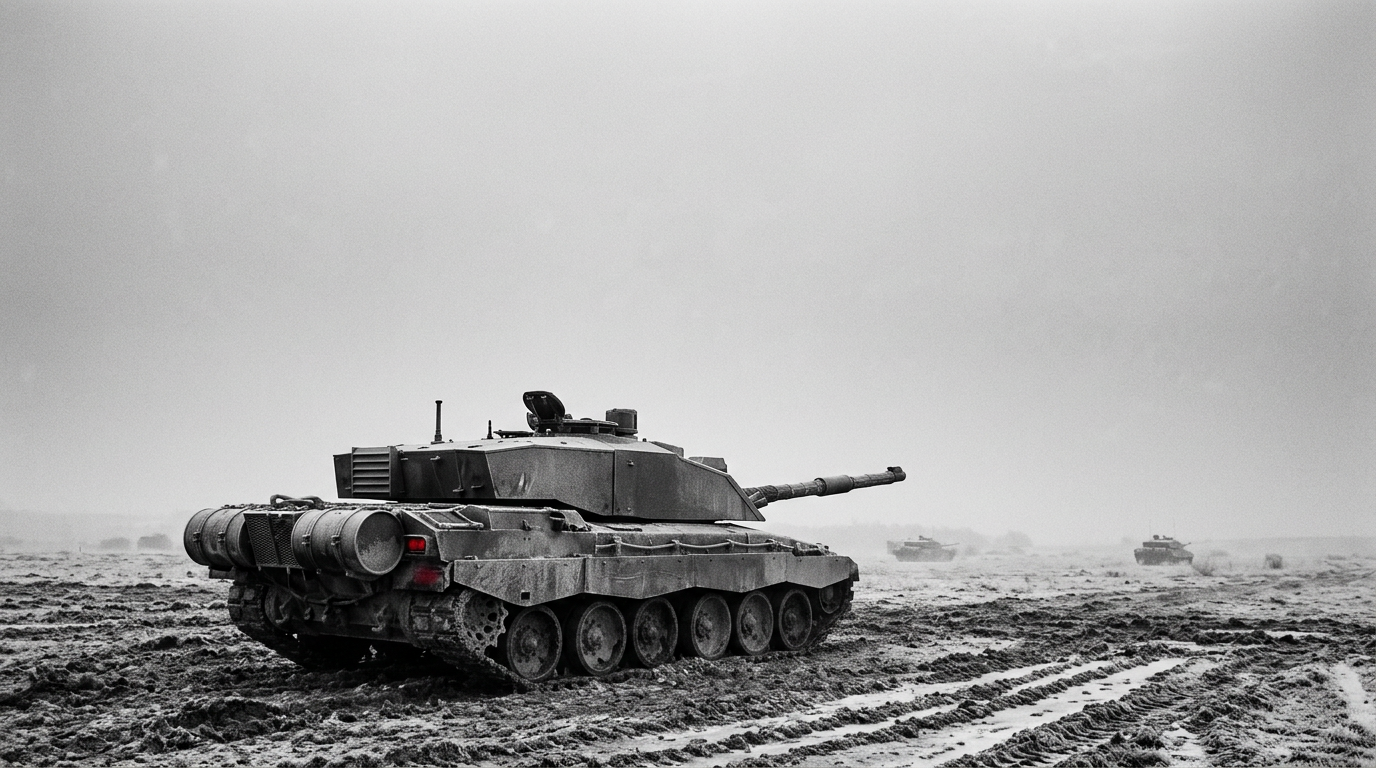
The British Army has announced a temporary cessation of non-essential collective training exercises for its units stationed within the United Kingdom. This directive, effective for the remainder of the current year, aims to generate approximately £1.4 billion in annual cost reductions over the next three years, as confirmed by military officials.
The measure primarily impacts drills involving heavy armored vehicles and Apache helicopters. However, troops currently engaged in deployments, on standby status, or assigned to quick-reaction forces are exempt from this training halt. This strategic adjustment seeks to align defense expenditures with the government's established investment strategy and to prioritize training methods that incorporate insights from modern conflict scenarios, particularly drone operations.
Fiscal Pressures on Defence Spending
This decision emerges amidst heightened financial scrutiny and political demands for increased defense spending. Lawmakers have advocated for an elevation of defense expenditure to 3 percent of the Gross Domestic Product (GDP) by 2030, with a further increase to 3.5 percent by 2035. Current government forecasts anticipate defense spending will reach 2.7 percent of GDP by the 2027/28 fiscal year.
The immediate requirement to identify substantial savings highlights the tension between existing budgetary limitations and long-term strategic objectives. While collective training activities are being scaled back, the primary focus remains on preserving combat readiness for essential operations and adapting to contemporary warfare tactics and technologies.
Treasury Delays and Political Discontent
The Treasury has deferred the formalization of a pathway to achieve these higher defense spending targets until a comprehensive spending review, which is slated for the upcoming calendar year. This postponement has occurred despite consistent calls from certain political figures for more immediate commitments to increased defense funding.
For instance, former Chancellor John Healey resigned from a government post in June, citing concerns about what he described as inadequate defense financing. Now in a different capacity, Healey has stated he will await the next year's spending review before presenting a detailed plan to meet a pledge of allocating 3.5 percent of GDP to defense by 2035. The central challenge for the government involves ensuring that defense capabilities can be effectively maintained and modernized within the prevailing budgetary framework, particularly as external pressures for greater investment intensify ahead of the delayed spending review.
Maintaining Operational Readiness
Despite the temporary reduction in certain collective training activities, officials have articulated their intention to preserve critical operational readiness. This involves a strategic re-evaluation of training methodologies, shifting focus towards simulations and exercises that reflect current geopolitical realities and technological advancements in warfare. The is to ensure that the British Armed Forces remain capable of responding to national security needs and international commitments, even as cost-saving measures are implemented across the non-essential training spectrum.
Future Investment Strategy
The Ministry of Defence faces the significant task of identifying these projected savings to support a broader, multi-year defense investment plan. This plan includes commitments to modernizing equipment, investing in new technologies, and adapting to evolving threats. The temporary training suspension is presented as a necessary step to reallocate resources and ensure the long-term sustainability and effectiveness of the UK's defense capabilities, pending the outcomes of future spending reviews and political discussions around defense funding levels.