Brent Crude Stabilizes After Retreat From $88 Mark
Brent crude futures saw a decline to $86.09 per barrel on August 27, 2026, after peaking at $88.
Mateo Fernandez ·
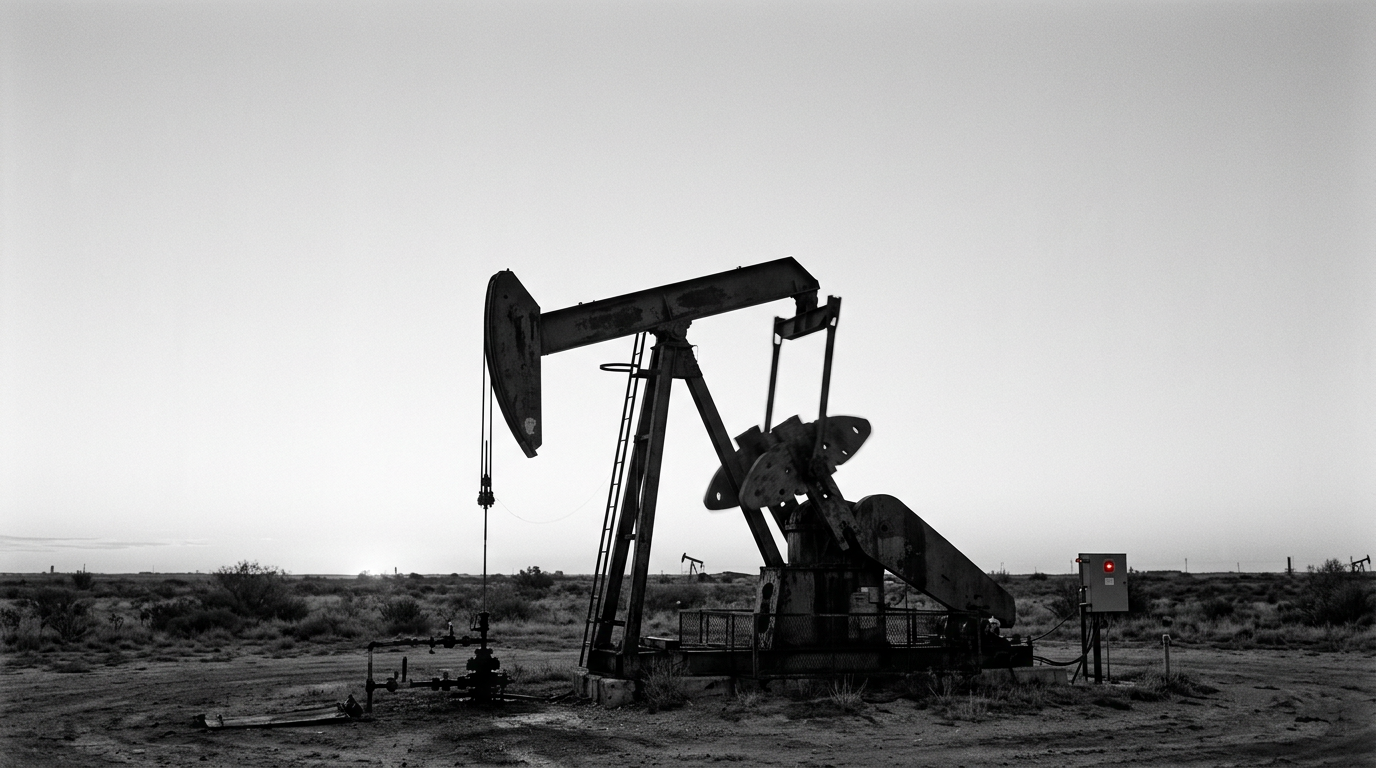
Brent crude futures settled at $86.09 per barrel on August 27, 2026, marking a notable retreat from the previous session's high of $88.52 per barrel. This price movement, observed during early Asian trading hours, indicates a decline of approximately 2.7% from its prior peak. Officials and market participants did not cite any significant new supply announcements or demand shocks as catalysts for this particular fluctuation, suggesting a technical rebalancing of market positions.
The current price level is consistent with the established trading range observed throughout the month. Brent crude continues to serve as a crucial international benchmark, influencing the pricing of a substantial portion of global oil exports. Day-to-day fluctuations are common in this market, often driven by speculative trading, currency exchange rate shifts, and short-term changes in oil storage and shipping logistics. Futures contracts for Brent crude are actively traded across numerous international venues.
Global Benchmark Dynamics
The Brent crude benchmark, originally tied to the Brent oilfield in the North Sea, has evolved into a key indicator for roughly two-thirds of the world's internationally traded crude oil. Its price trajectory is closely monitored for insights into global economic health, geopolitical stability, and the fundamental balance between worldwide oil supply and demand. Unlike more localized benchmarks, Brent's broad applicability positions it as a significant bellwether for energy markets globally.
Historical data consistently shows that while daily volatility is a normal characteristic, sustained trends in Brent prices typically stem from fundamental shifts. These can include production decisions by major oil groups like OPEC+, significant geopolitical events impacting oil supply routes, or substantial revisions to global economic growth forecasts. For example, periods marked by heightened economic uncertainty often lead to rapid adjustments in demand projections, which can trigger noticeable price corrections in the market.
Market Outlook and Trader Vigilance
Market observers will continue to track Asian trading activity closely on August 27, 2026, to gauge ongoing market sentiment. Any further intraday declines or a stabilization of prices during these initial hours could provide indications on whether this recent retreat will extend into subsequent European and US trading sessions. The collective reaction of these major trading blocs will be instrumental in determining the short-term trajectory for Brent crude.
The absence of explicit supply or demand news points towards a technical adjustment in market positioning rather than a fundamental shift in the underlying supply-demand balance. Despite this, traders maintain vigilance for any unforeseen developments that could swiftly alter market dynamics. Such developments might range from unexpected production outages to shifts in global economic policy that could influence future energy consumption patterns.