Brent Crude Exceeds $95 Following Hormuz Tanker Incidents
Brent crude prices climbed above $95 a barrel after two oil tankers were reportedly struck in the Strait of Hormuz, highlighting supply concerns.
Mateo Fernandez ·
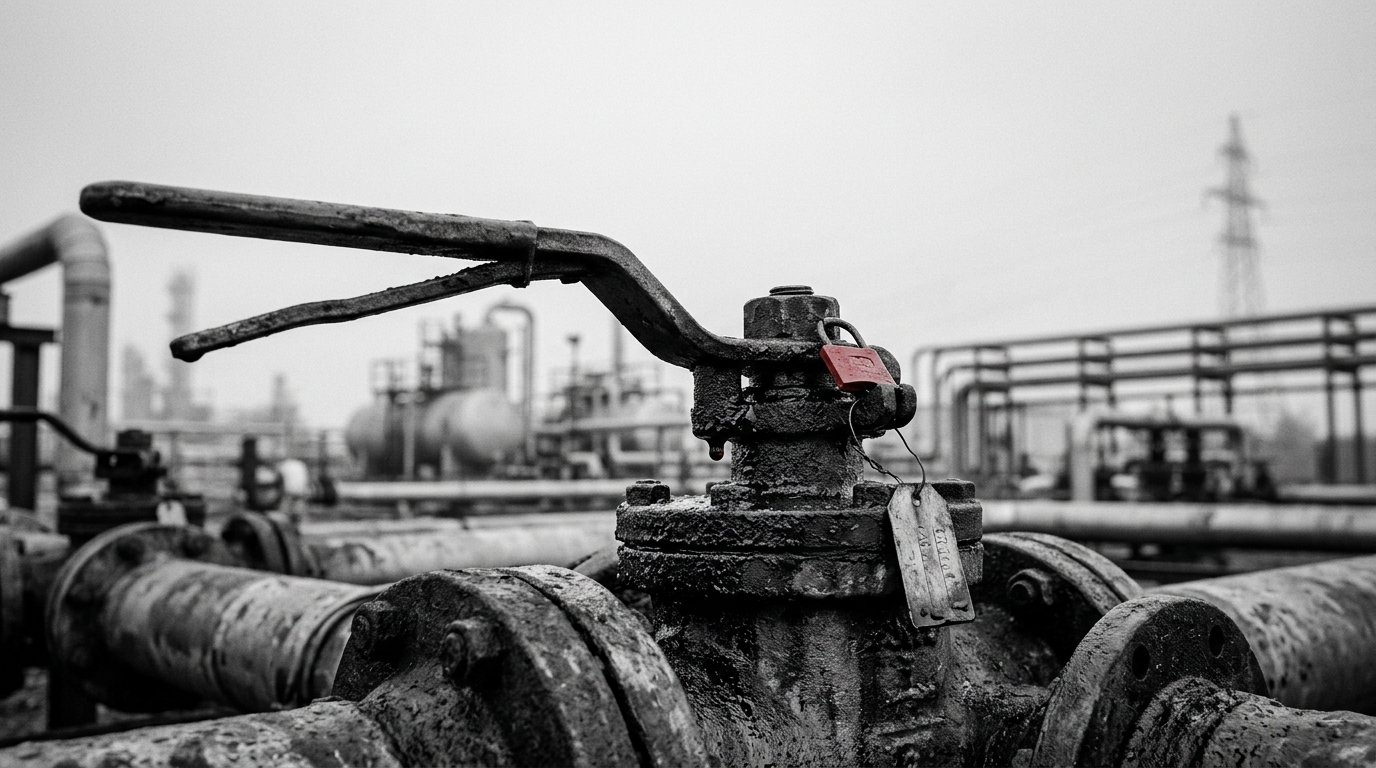
Brent crude oil prices have surpassed $95 per barrel, an increase attributed to reported incidents involving two oil tankers earlier this week within the critical Strait of Hormuz. This surge intensifies existing upward pressure on crude prices, underscoring the strait's indispensable role in international oil transit. Current data indicates Brent crude is trading over 30% higher compared to its valuation on February 28, the date a significant conflict commenced.
The Strait of Hormuz is a narrow, strategically vital waterway that acts as the principal conduit for energy exports from the Persian Gulf. Disruptions in this channel have direct consequences for global oil prices, shipping costs, and insurance premiums, reflecting its paramount importance to the global energy supply chain.
Shipping Disruptions and Market Dynamics
Commercial shipping activity through the Strait of Hormuz remains considerably below its average levels recorded before the recent conflict. This reduction in vessel traffic poses significant concern for refineries worldwide, which heavily depend on crude oil supplies from the Gulf region. Such conditions can tighten prompt markets and increase delivery expenses for crucial feedstock materials.
The immediate effects of these disruptions on commodity markets are observed in two primary ways. Firstly, physical availability becomes a pressing issue; fewer ships navigating the strait can reduce near-term supply, even if actual oil production volumes remain unchanged. Secondly, a 'war premium' is incorporated into the pricing of crude barrels designated to transit this critical chokepoint, reflecting elevated risk perceptions among traders.
Regional Tensions and Unresolved Origins
The reported tanker strikes occurred amidst a period of heightened regional tensions. Officials had previously stated that Iran launched missiles and drones toward U.S. positions, following a new series of U.S. strikes within Iranian territory. However, the precise origin of the projectiles that impacted the oil tankers remains officially undetermined, with initial reports attributing them to unknown sources.
President Trump commented on the evolving situation on Wednesday, asserting American control over the Strait of Hormuz. He publicly questioned, via Truth Social, whether the waterway should be rebranded as the “TRUMP STRAIT.” This political rhetoric adds another layer of uncertainty to an already volatile geopolitical landscape surrounding the critical shipping lane, influencing market sentiment and risk assessment.
Future Market Outlook and Geopolitical Influence
Analysts and traders are expected to closely monitor the regional situation in the coming months. A key indicator by September 3, 2026, will be whether tanker traffic shows signs of recovery from its post-strike lows. A sustained lack of recovery could prompt Brent crude to extend its current ascent beyond the $95 mark, signaling ongoing supply anxieties and elevated geopolitical risk premiums.
The persistent volatility in this region underscores how deeply geopolitical factors can influence global energy markets. Any escalation or de-escalation of tensions across the Middle East directly affects the flow of crude oil, with significant implications for broader global economic stability and energy security.