Boaters face Potomac shutdown as D.C. fireworks expand
Potomac River closures and DCA flight pauses will restrict travel July 2-5 as D.C. stages July 4 events tied to America’s 250th celebrations.
Sophie McAlister ·
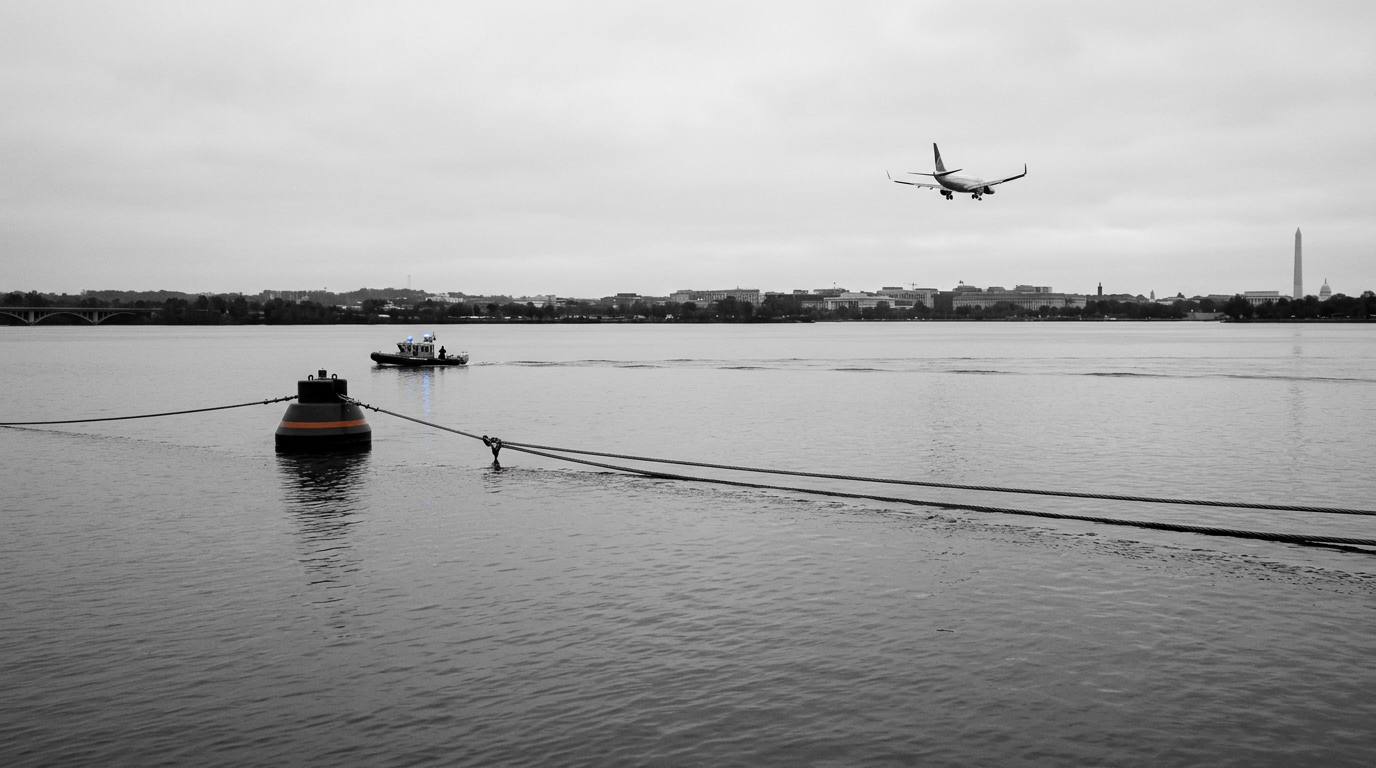
Potomac River closures and flight pauses at Reagan National will reshape holiday travel in Washington from July 2 to July 5 as July 4 events ramp up.
The U.S. Coast Guard said large sections of the Potomac and Anacostia rivers will be closed to recreational traffic, while the Metropolitan Washington Airports Authority (MWAA) warned of airspace-driven flight stoppages at DCA.
The restrictions arrive as residents from Georgetown to Southwest brace for heavier congestion around downtown bridges, the National Mall, and the Monumental Core in the days leading up to Independence Day.
Coast Guard sets multi-day Potomac, Tidal Basin limits
The Coast Guard’s main safety zone covers the Potomac River from the Key Bridge down to just south of the 14th Street Bridge. That footprint includes the Tidal Basin, a popular route for kayaks, paddleboards, and small tour craft during summer evenings.
Under the announced plan, that entire area will be off-limits to boaters and kayakers from July 2 through July 5. The window captures not only the holiday itself but the peak setup and takedown period for the waterfront program.
Commercial traffic will also be curtailed. The Coast Guard said ferry and dinner cruise vessels will be barred from the restricted Potomac segment during the morning of July 3, and again from noon to midnight on July 4.
Separately, the Anacostia River will see its own closure on July 4. The Coast Guard said the waterway will be restricted from the 11th Street Bridge to south of the Frederick Douglass Memorial Bridge from 6 p.m. to midnight.
These limits affect common recreation and viewing patterns, including groups that typically launch from areas near the Wharf and Navy Yard to watch fireworks from the water. The Potomac corridor also sits beside major commuter crossings, including the Key Bridge and the 14th Street Bridge complex.
DCA flights to stop July 3 afternoon, July 4 after noon
MWAA said airspace closures tied to July 4 events will interrupt operations at Reagan National Airport. The agency advised travelers to expect delays, noting that some schedules have already been changed.
According to MWAA, there will be no flights during the early afternoon on July 3. On July 4, flights will stop after noon.
The airport sits directly across the Potomac from the Mall-area event footprint, and air restrictions during major celebrations can ripple quickly through the region’s travel network. For passengers, that can mean rebookings, longer ground waits, and crowded terminals even before the flight stoppage periods begin.
For the region beyond the airport, the combination of reduced air traffic and river closures can shift movement onto roads and Metrorail. That pressure is often felt first on routes feeding downtown—particularly bridges and parkways leading toward the National Mall and adjacent neighborhoods.
Freedom 250 fireworks plan expands river footprint
The closures coincide with Freedom 250’s July 4 plan to attempt a Guinness record for what organizers describe as the world’s biggest fireworks show. The start time is scheduled for 9:40 p.m.
To support the show, eight barges will be positioned on the Potomac to launch additional fireworks. The expanded platform is expected to displace typical holiday river crowds, including kayakers and the more than 1,000 boaters who usually congregate on the water for July 4 viewing.
The multi-day Coast Guard zone signals that restrictions are not limited to the fireworks window itself. By extending from July 2 through July 5, the plan also captures staging activity before the show and demobilization afterward, limiting access during what is typically one of the busiest weeks for summer recreation on the river.
Next steps for residents and visitors are practical: boaters will need alternate routes and launch plans, while air travelers at DCA should monitor carriers for same-day changes and added delay buffers. With the holiday nearing, agencies’ operational updates—and any additional traffic controls around bridges and waterfront access points—will determine how smoothly Washington moves through the week.