BMW Shifts Focus Away From Standardized Safety Ratings
BMW is deprioritizing five-star safety ratings, opting to focus on physical chassis integrity rather than software-driven testing criteria.
Ayla Demirhan ·
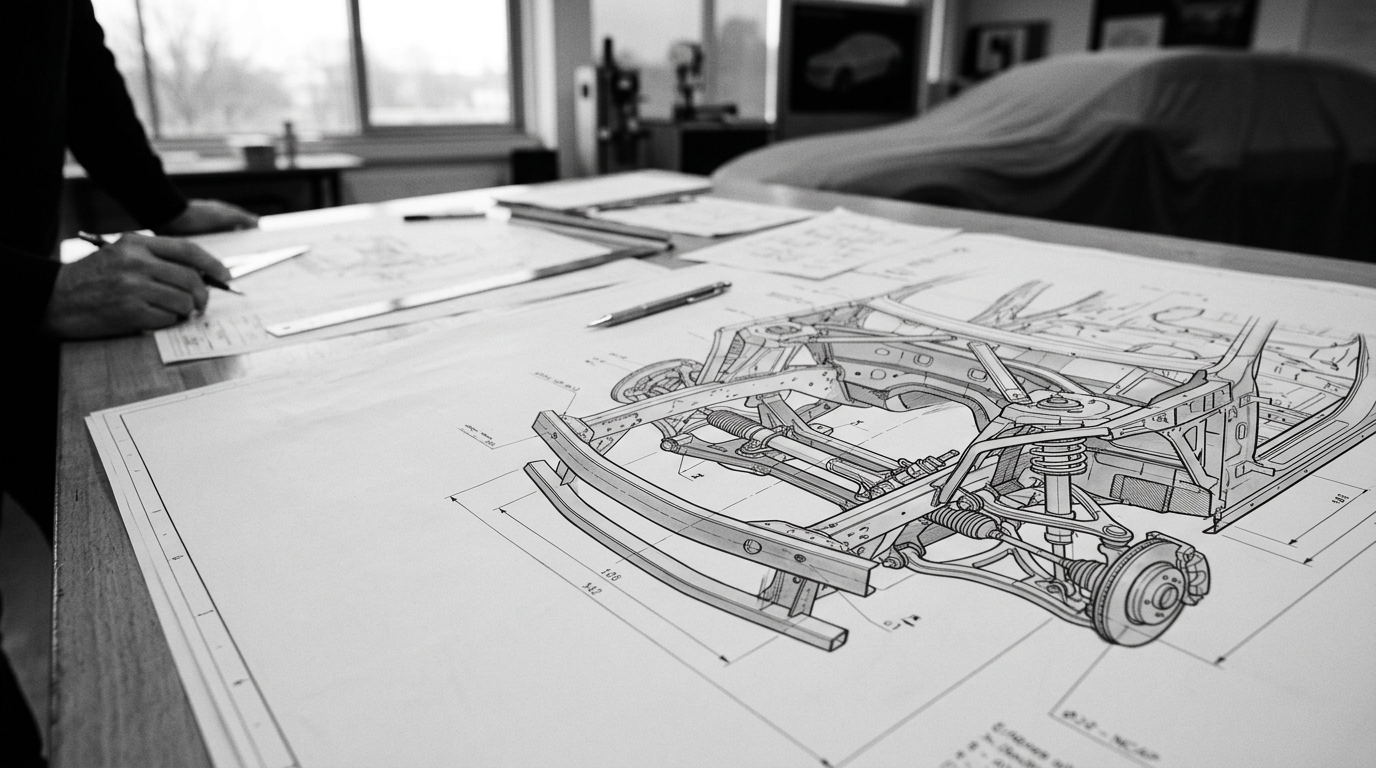
Strategic Shift in Safety Priorities
Automotive manufacturer BMW has announced a departure from its previous policy of prioritizing five-star ratings from independent safety assessment organizations. Leadership at the firm indicated that the pursuit of maximum scores in standardized evaluations is no longer a primary strategic objective. Instead, the company intends to emphasize mechanical robustness and driving performance in its future vehicle development.
Critique of Modern Testing Protocols
Company officials, including product management and executive leadership, stated that current testing methodologies have become overly reliant on electronic driver-assistance systems. They argue that modern assessment frameworks prioritize software-based alerts—such as reminders for rear-seat passengers—over the structural integrity of the vehicle's frame or energy-absorbing zones. According to these representatives, the existing criteria have drifted away from the core physical safety requirements necessary for real-world driving conditions.
The manufacturer maintains that its vehicles continue to offer high levels of physical protection. By shifting focus, the company aims to prioritize engineering elements that directly impact occupant safety during collisions, rather than features designed primarily to satisfy software-heavy testing checklists.
Industry Implications and Market Context
This decision arrives as the automotive industry continues to debate the relevance of current safety rating systems. Among major German luxury brands, BMW has been the only manufacturer in recent years to receive ratings below the top tier. While the company asserts that these scores do not accurately reflect the actual durability of their chassis, the move highlights a growing tension between regulatory testing standards and internal engineering philosophies.
It remains uncertain how this change will influence consumer perception or whether other manufacturers will adopt similar stances regarding standardized testing. The industry is now closely observing whether this shift will trigger a broader re-evaluation of how safety is measured and communicated to the public. 🌐