Ghana, Ivory Coast Cocoa Farmers Face Payment Delays
Cocoa farmers in Ghana and Ivory Coast face severe payment delays and price cuts as global cocoa prices fall, impacting national economies.
Atlas Newsdesk ·
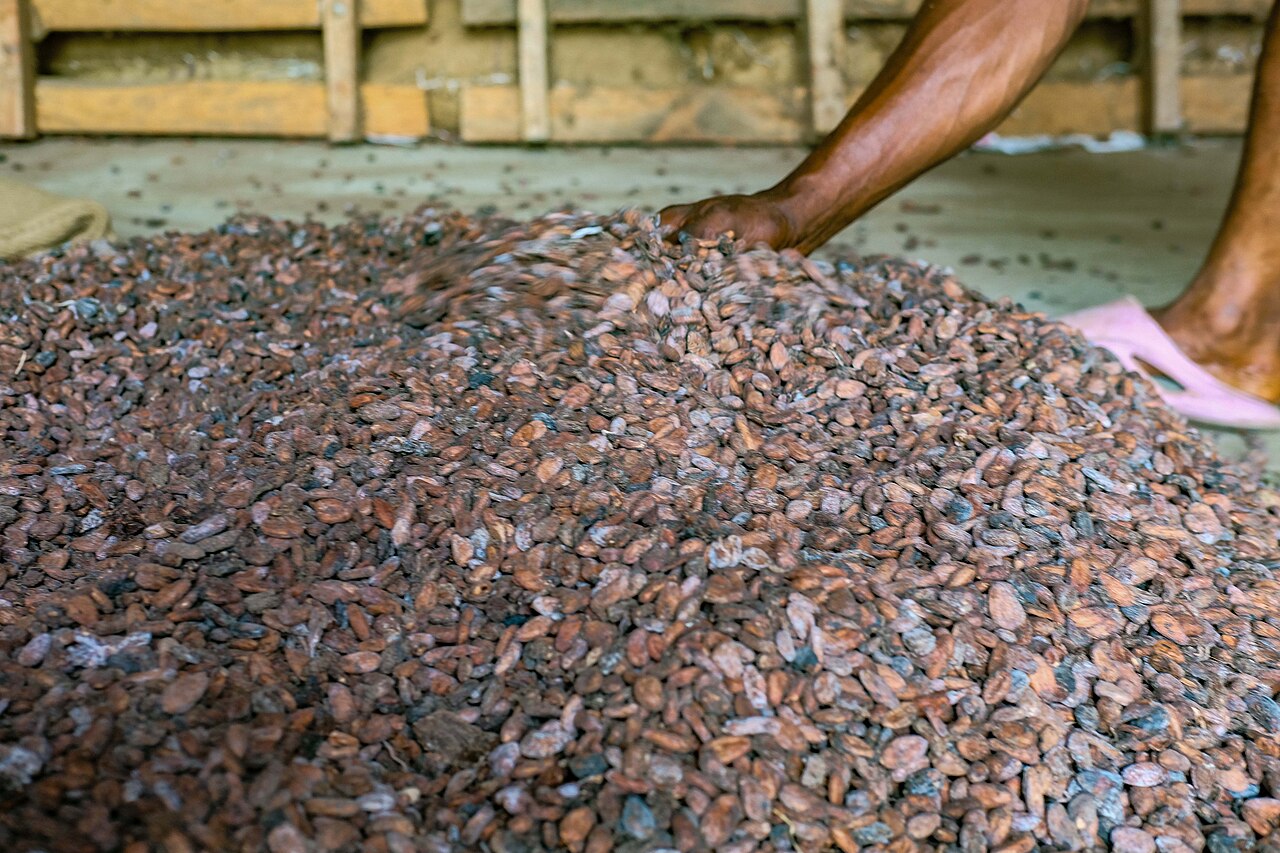
Cocoa farmers in Ghana and Ivory Coast are experiencing substantial payment delays and price reductions, a direct consequence of a sharp decline in global cocoa prices during 2024. State regulatory bodies in both West African nations, responsible for setting annual cocoa prices, are struggling to offload beans priced significantly above current international market values.
This situation has left an estimated 800,000 Ghanaian cocoa farmers awaiting payment for an extended period, severely affecting rural economies.
Ghana's Cocoa Board (Cocobod) established a farmer payment rate of nearly $5,300 per tonne last October. However, global market prices have since dropped below this threshold, exacerbating Cocobod's existing $3 billion debt. In response, Cocobod has lowered its guaranteed price to farmers to approximately $3,500 per tonne. Additionally, the organization has implemented salary reductions for its executive management by 20% and for senior staff by 10% to mitigate financial pressures.
Economic Impact on West African Nations
Neighboring Ivory Coast, the world's largest cocoa producer, faces parallel challenges. Its warehouses are reportedly overflowing with unsold cocoa beans. The Ivorian Coffee and Cocoa Council had also guaranteed a price to its farmers that significantly exceeded prevailing international rates. This week, the Ivorian Agriculture Minister announced a 50% reduction in the price paid to farmers, a measure intended to stimulate sales and alleviate the glut of unsold stock.
This decision will have widespread implications for numerous cocoa cooperatives and their members across the country.
Global Market Dynamics and Local Consequences
Both Ghana and Ivory Coast operate under a system where state-controlled bodies purchase cocoa from farmers at a fixed price before selling it on the international market. This structure is designed to protect farmers from price volatility but also exposes the state entities to significant financial risk when global prices fall below the guaranteed farmer price.
The current crisis necessitates a re-evaluation of these pricing mechanisms and risk management strategies to ensure long-term sustainability for the cocoa sector and its stakeholders.
Implications
Country Impact: Ghana and Ivory Coast face significant economic instability due to reduced cocoa export revenues and increased national debt. The payment crisis could lead to social unrest and impact rural development initiatives.
Industry Impact: The global cocoa industry may see supply chain disruptions and potential shifts in sourcing as producers grapple with unsustainable pricing models. This could lead to long-term changes in how cocoa is traded and priced internationally.
Market Impact: The downturn in cocoa prices could influence commodity market sentiment, particularly for agricultural products from West Africa. Investors may re-evaluate risks associated with commodity-dependent economies, potentially affecting sovereign debt and currency valuations.