Where to Find the Best Sushi Around D.C., From Neighborhood Rolls to Omakase
Explore DC's top sushi spots with our curated guide, featuring everything from classic neighborhood counters to high-end omakase and quick lunches.
Sophie McAlister ·
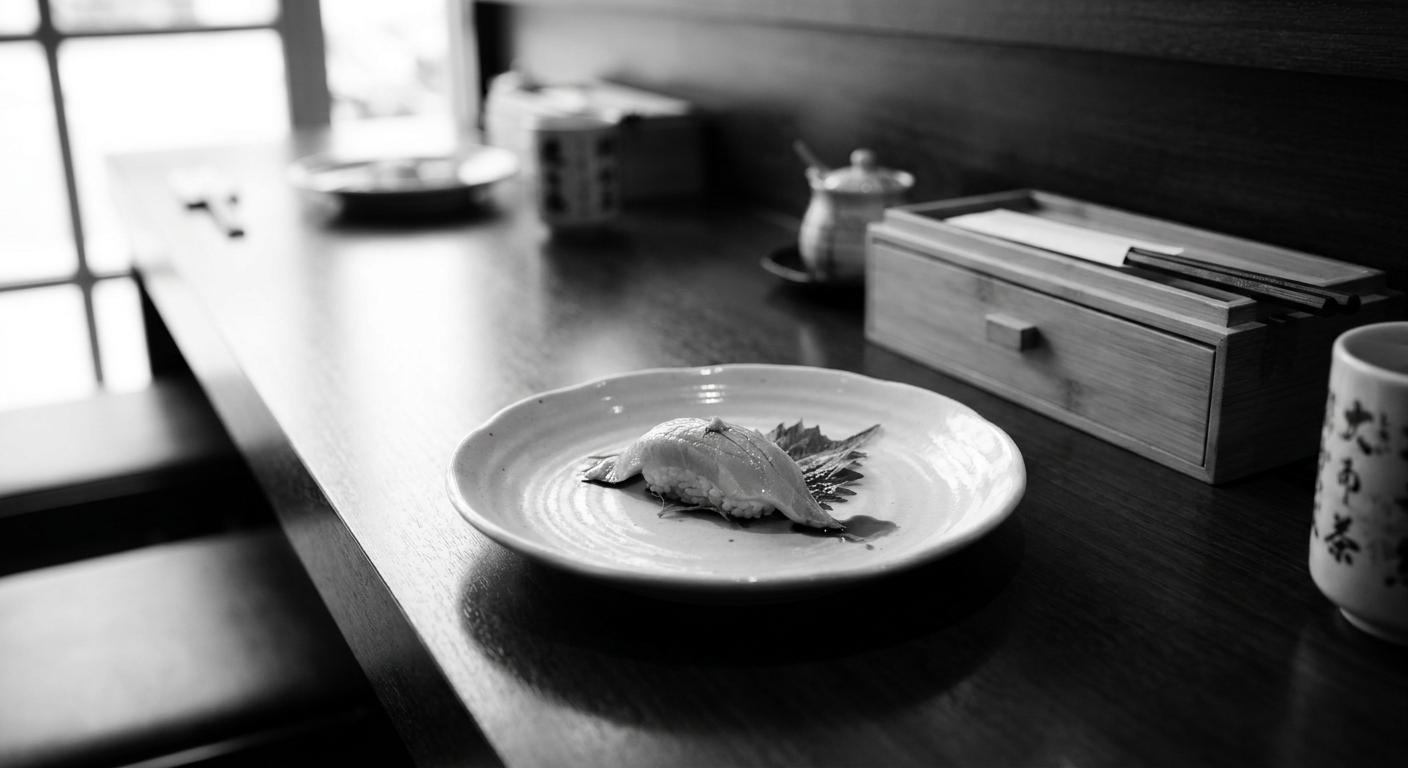
Eater DC this week published a citywide guide to Washington's sushi scene, mapping a range of options from long-running neighborhood counters to higher-end omakase tasting menus and fast lunchtime rolls. The piece notes that the market continues to diversify, with new omakase concepts and quick-service lunch options appearing in different neighborhoods. One anchor on the list is Kaz Sushi Bistro, a decades-old Dupont Circle staple that has long anchored the city's traditional sushi offerings.
The guide runs through dozens of neighborhoods and service styles, emphasizing how sushi in D.C. now spans affordable roll shops, neighborhood sushi bars, and special-occasion omakase rooms. It highlights that diners can find casual spots for weekday lunches and more formal, reservation-only dinners in the same blocks or corridors. The mapping approach is intended to help both residents and visitors navigate options by neighborhood and price.
Neighborhood variety and price points
Across the District, sushi options are concentrated in central dining neighborhoods but also appear in growing food corridors outside the core. The story underscores the coexistence of affordable roll counters — popular for quick weekday meals — alongside multi-course omakase experiences that cater to special occasions. That range reflects the sector's commercial diversity and the different customer needs across areas such as Dupont Circle and other central neighborhoods.
Longstanding institutions and new entrants
The guide calls out legacy restaurants that have shaped D.C.'s sushi reputation while noting a steady flow of newcomers. While Kaz Sushi Bistro is offered as an example of a decades-old, established spot, the reporting points to a more recent wave of chefs and operators experimenting with tasting menus and compact, appointment-only omakase rooms. These shifts show operators adapting to changing diner preferences and the economics of high-end tasting menus.
For diners, the practical value of the map is decision-making: it helps compare service style, price range, reservation requirements, and neighborhood access in a single view. For industry observers, the piece provides a snapshot of supply-side trends — where restaurateurs are investing and how dining demand is fragmenting across formats.
What this means for the city's hospitality scene
The expanding mix of sushi offerings intersects with broader restaurant trends in the District, including a push for varied lunch options, experiential dinners, and neighborhood-focused concepts. Operators balancing daily traffic with higher-margin tasting menus are reshaping how neighborhoods support evening and daytime dining economies.
Expect the local sushi scene to continue evolving: watch for new omakase openings, more compact lunch concepts, and how reservation practices change as demand and pricing shift across neighborhoods.