Gilgo Beach: Architect Pleads Guilty, Case Closed
Gilgo Beach murders case ends as Rex Heuermann pleads guilty to seven killings and admits an eighth after a 2021 task force push.
Ayla Demirhan ·
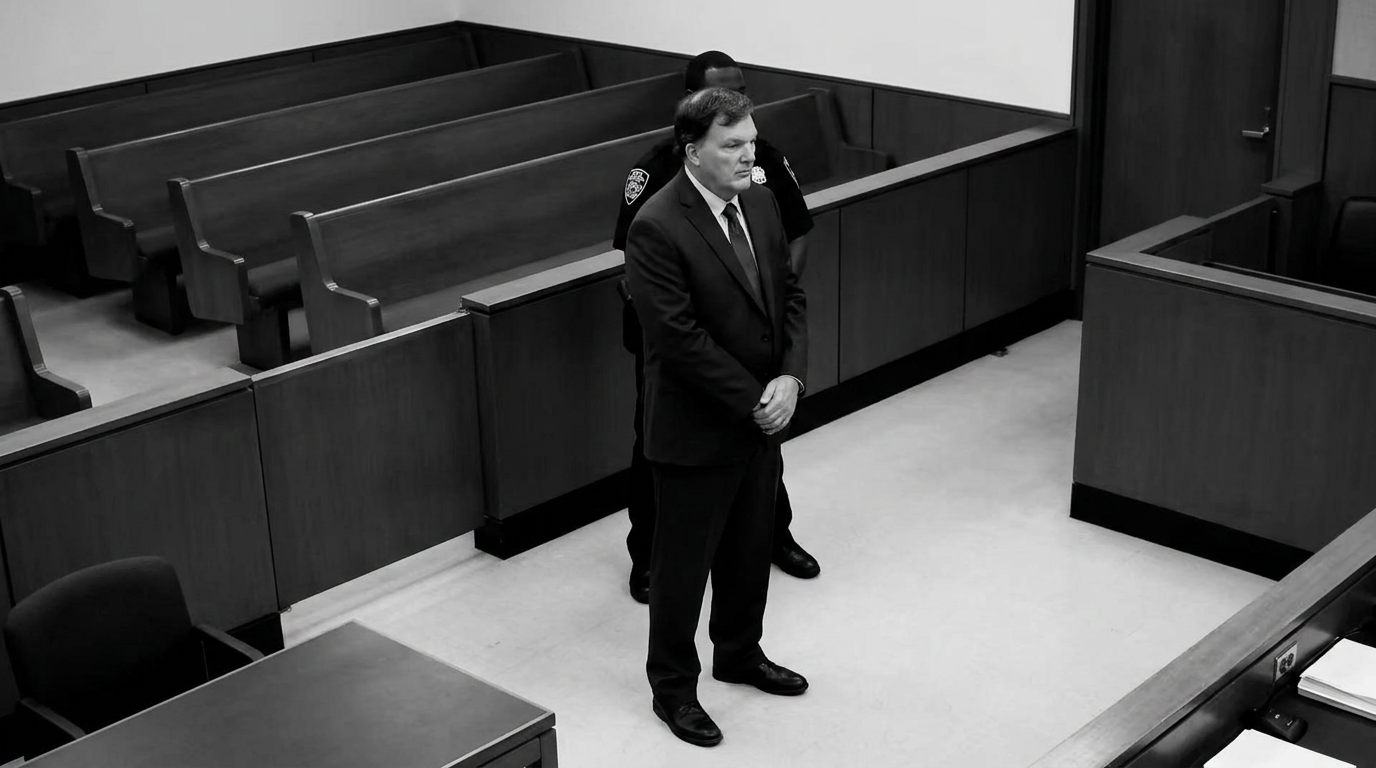
Suffolk County, New York — Rex Heuermann, a 62-year-old architect, pleaded guilty this week to the murders of seven women and admitted to killing an eighth, bringing a decisive close to the long-running Gilgo Beach murder investigation. Officials described the outcome as the result of a renewed, coordinated push that shifted the case from a stalled cold-case posture to an active, multi-agency effort.
The breakthrough followed the creation of a dedicated task force in 2021 by then-Suffolk County Police Commissioner Rodney Harrison. Harrison, who previously served as chief of detectives at the NYPD, set up a multi-agency team that included investigators from the FBI, state police, and the district attorney’s office. Officials said this structure marked a clear change from the earlier approach, when the case had been handled by a single detective.
Authorities said that within months of the task force being formed, investigators had identified Heuermann as a suspect. The inquiry accelerated in April 2022 when a state police investigator revisited witness statements and focused on a client of one victim, Amber Costello. That person was described as a large man who drove a green Chevrolet Avalanche, according to officials.
Investigators then used cellular data to connect a suspect to Massapequa Park and Midtown Manhattan, officials said. They cross-checked that information against state databases for green Chevrolet Avalanches registered in Massapequa Park. Officials said that process led them to Heuermann, who worked in Midtown Manhattan and matched the physical description described by witnesses.
Authorities said subsequent surveillance and subpoenas provided further insight into what they described as Heuermann’s “deviant life,” including internet searches. The case was further strengthened by DNA evidence, officials said, after investigators collected genetic material from discarded items, including a pizza crust. Officials said that DNA matched material recovered from several victims, which they cited as a key step in solidifying the case.
The resolution of the Gilgo Beach investigation underscores how resource allocation and inter-agency coordination can change the trajectory of complex, long-running cases, according to officials involved in the task force. The use of witness re-review, database cross-referencing, cellular data, subpoenas, and DNA collection from discarded items was presented by authorities as a combined pathway that ultimately supported the guilty plea and admission.
Even with the plea, some elements of the investigative record remain outside what has been publicly detailed in the available account, including the full scope of evidence reviewed by the task force and how each investigative step was weighed. Officials have not, in the provided material, outlined any additional suspects or broader conclusions beyond the admissions attributed to Heuermann.