US Tourism Slows as Travelers Seek New Shores
US tourism may soften this year as airport wait times and anti-American sentiment reshape travel choices, while some destinations gain visitors.
Ayla Demirhan ·
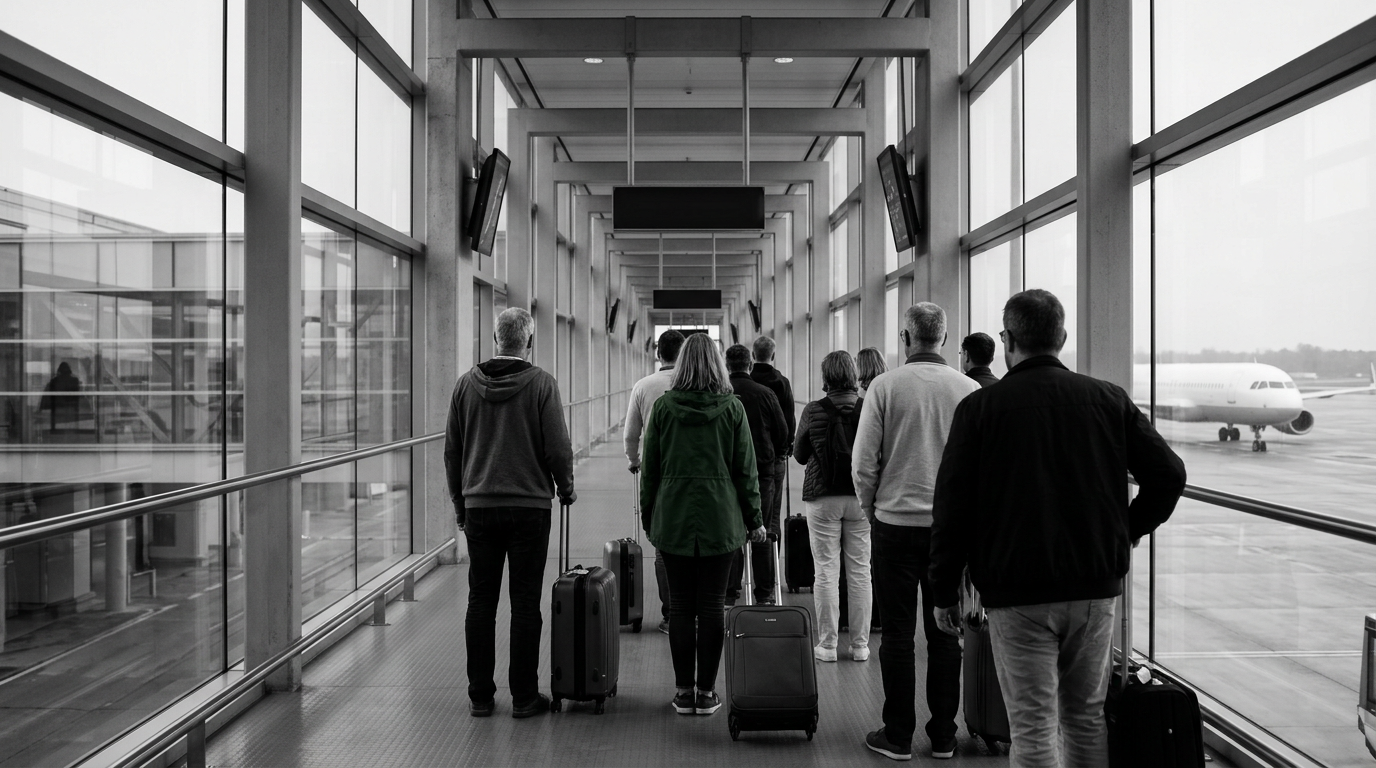
Reports indicate the United States could see weaker tourism this year, with two drivers repeatedly cited: longer airport wait times and rising anti-American sentiment among some international travelers. The reports describe these frictions as enough to push part of the global travel market to reconsider where to go. They also stress that the pattern is uneven, with certain destinations attracting more visitors even as others face softer demand.
One beneficiary highlighted in the reports is Morocco’s capital, which is described as experiencing a jump in tourism. The reports connect some of that momentum to the city’s selection as the 2026 UNESCO World Book Capital , a designation that can support culture-led travel and related programming. The example is presented as a reminder that destination branding and international recognition can redirect travel flows when other markets encounter operational or sentiment-related obstacles.
Beyond where people travel, the reports describe changes in what travelers want and how trips are sold. A growing share of consumers is seeking remote, off-grid experiences, reflecting demand for less conventional itineraries. At the same time, the reports flag a practical gap: interest in isolated locations does not always come with readiness for the logistical and comfort challenges that can accompany remote travel.
The reports also reference data suggesting that solo female travelers place a high priority on personal security when selecting destinations. Within that segment, Costa Rica and Norway are identified as preferred options, pointing to demand shaped by safety considerations. For travel providers, the reports frame this as a commercial and operational requirement to communicate clearly on security conditions, logistics, and on-the-ground support for travelers who weigh risk heavily.
Additional patterns cited include a tilt toward shorter trips and a reassessment of familiar travel terminology. Taken together, the reports present these shifts as signs of broader changes in consumer behavior and industry practices, affecting how experiences are packaged, marketed, and supported. The overall picture is of a global travel market recalibrating as geopolitics, operational friction, and evolving preferences influence cross-border demand.
Key uncertainties remain. The reports do not quantify the expected change in US tourism, and they do not specify how much of any shift is attributable to airport delays versus sentiment. They also leave open how persistent the cited drivers will be over the year, even as they describe a sector adjusting to uneven demand in which some destinations gain while others face new obstacles.