Bayonetta Creator Defends Controversial Ending
Bayonetta creator Hideki Kamiya says Bayonetta 3 implies Bayonetta is alive and that the multiverse has existed since the first game.
Ayla Demirhan ·
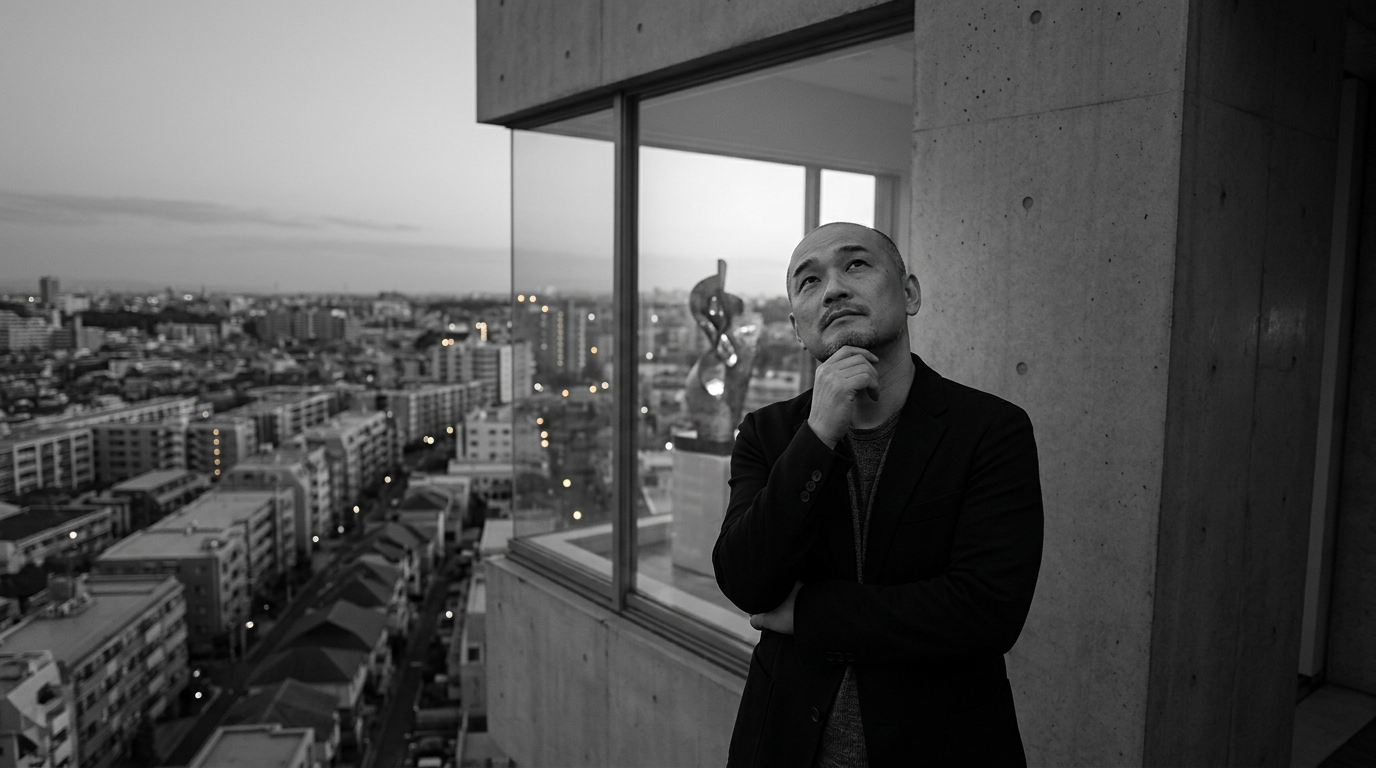
Hideki Kamiya, the creator of the Bayonetta series, has offered a clearer explanation of how Bayonetta 3 ends and why the franchise has long operated with a multiverse framework. His comments were published in an interview included in the new book "The World of Hideki Kamiya" , where he responded to fan debate about the game’s final moments and the perception that multiple timelines appeared abruptly.
Kamiya said the idea of parallel timelines was present from the start of the series, even if it was not always spelled out in a way that every player would immediately connect. He pointed to moments in the first Bayonetta that he described as direct signals of a split timeline, including the point where Bayonetta sends Cereza into the past. He also cited Balder’s destruction of the moon as another example that was meant to support the same underlying concept.
He acknowledged that the first game’s explanations did not always land as clearly as intended, which he said contributed to confusion. In his account, the moon’s role matters because it is described as a source of power for witches, and its later return in subsequent entries was designed to function as a clue rather than a contradiction. Kamiya said this was intended to suggest that events were unfolding across more than one timeline, rather than following a single, uninterrupted sequence.
On Bayonetta 3 specifically, Kamiya said the ending is meant to indicate that Bayonetta remains alive. He referenced details inside the game that he believes support that reading, including a new photo of Viola in which Luka can be seen in the background. He also pointed to dialogue from Rodin that he said indicates Luka continues to exist, framing these elements as narrative signposts that the conclusion should not be interpreted as Bayonetta’s death.
Kamiya added that the number of players who came away believing Bayonetta had died reflected what he called a “big miscalculation” on his part. He described this as an example of the difficulty in leaving room for interpretation while still ensuring that key story outcomes are communicated with enough clarity. The interview positions his remarks as an attempt to align audience understanding with what he says the story was designed to convey.
For the broader games industry, the discussion highlights how major franchises can face sustained debate when narrative cues are subtle or distributed across multiple installments. While Kamiya’s comments focus on story intent rather than future plans, they underscore how fan interpretation can shape the public conversation around a title after release, especially when a series uses complex devices such as multiple timelines.