Balochistan violence escalates after Ziarat attack
Officials reported a rising death toll in clashes across Balochistan; the prime minister visited Quetta and vowed a continued security campaign.
Mateo Fernandez ·
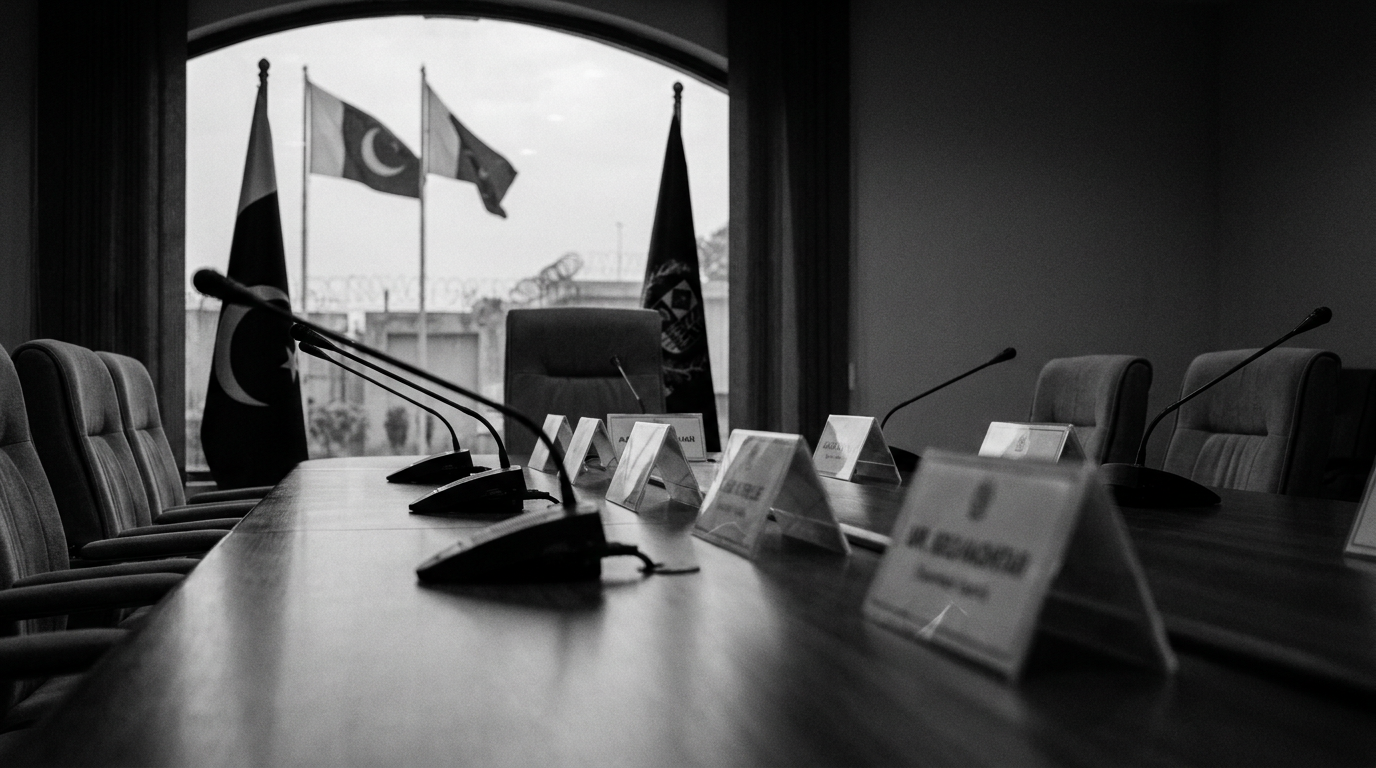
[No verifiable scheduled review date available in source; the reporting does not specify a government deadline or parliamentary timetable.]
Officials said clashes between security forces and outlawed groups in Balochistan have produced a rising death toll; after an attack in Ziarat earlier this month that killed scores of policemen, the prime minister cut short foreign travel to visit Quetta and said his government would fight until the last terrorist. Reaction pending.
Ziarat attack response
Officials described the recent operations as part of an intensified kinetic campaign across the province. Security forces say they have killed hundreds of militants in operations, yet officials acknowledged that violence has spread rather than receded, widening the theatre of attacks beyond traditional hot spots.
A long timeline of grievances underpins the security picture, officials and historical records show: the killing of a tribal leader during the Musharraf era triggered a renewed insurgency; disputes over royalties from the Sui gas field and a 2004 expansion of security deployments deepened local alienation. A Senate subcommittee had recommended higher gas royalties and socioeconomic measures, but officials said the recommendations were not implemented.
The immediate effect is a hardened security posture and political strain in Islamabad, officials said. Watch for any formal government policy response or parliamentary debate by July 29, 2026; that date will indicate whether authorities shift to a political and economic approach or double down on operations.