Australia and Japan announce A$1.67 billion package to deepen critical minerals cooperation
Australia and Japan committed A$1.67 billion to strengthen critical minerals supply chains, focusing on strategic mining and refining projects.
Jason Kwon ·
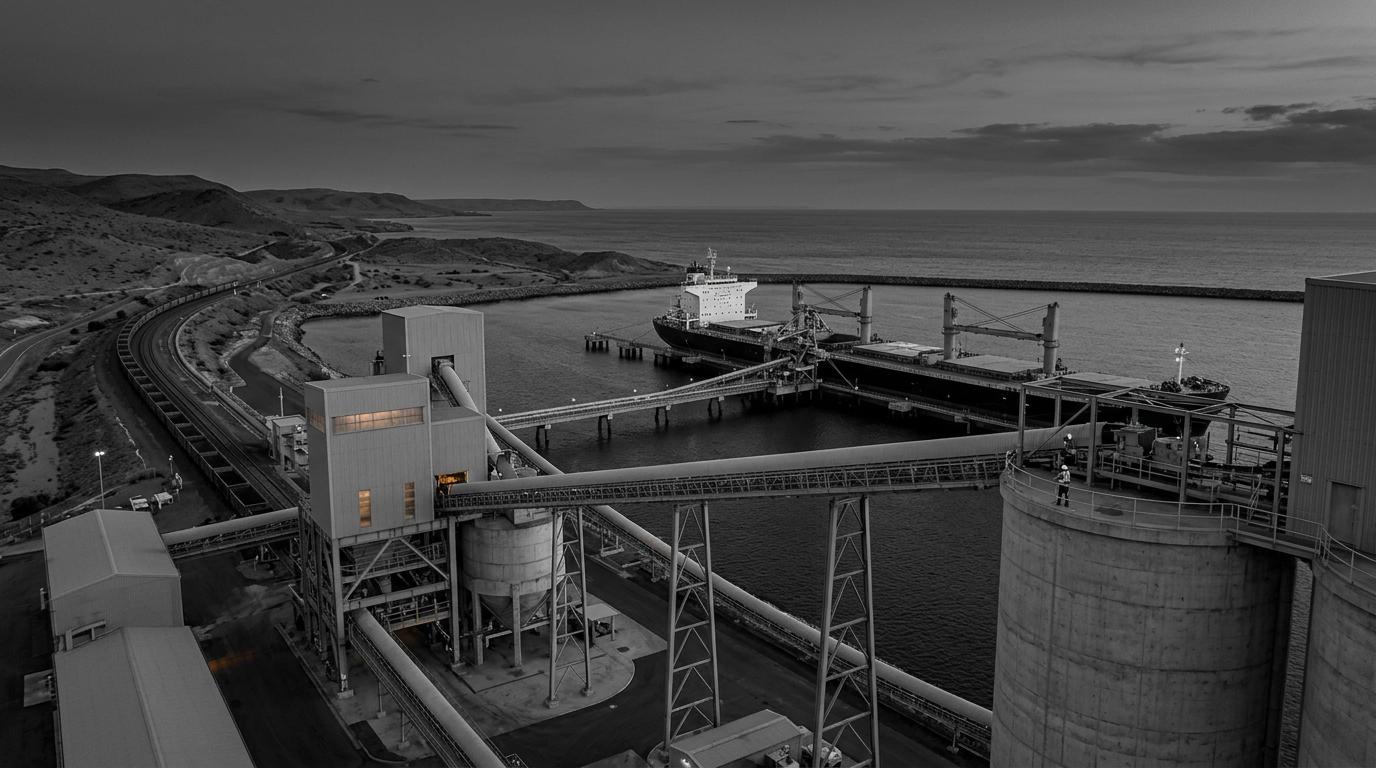
Australia and Japan said they will deepen cooperation on critical minerals, announcing a combined A$1.67 billion ($1.20 billion) in support for the sector during a May 4, 2026 state visit by Japan’s Prime Minister Sanae Takaichi to Canberra.
The two governments said the funding will target strategic projects aimed at addressing supply-chain vulnerabilities across mining, refining and manufacturing.
Australia said it plans to provide up to A$1.3 billion. Japan said it has provided about A$370 million in investments and grants, and expects to provide further support as projects develop.
The initiative builds on long-running support from Japanese trading house Sojitz and the Japan Organization for Metals and Energy Security (JOGMEC) for Australia’s Lynas Corp, described as the world’s largest producer of rare earths outside China.
Projects flagged as potential recipients
The countries said projects that may be in line for government funding include:
- Alcoa, working with Sojitz and the Japanese government to develop gallium recovery at an operating alumina refinery in Western Australia for use in semiconductors, LEDs and solar cells.
- Magnium Australia’s plan to produce high-purity magnesium in Western Australia for automotive and aerospace applications.
- Tivan’s Speewah Fluorite project in Western Australia, which is set to produce acid-grade fluorite used to make hydrofluoric acid for semiconductors, electric vehicles and other advanced applications.
- The Copi Critical Minerals Project in New South Wales, a mineral sands project aiming to supply critical minerals and rare earth elements.
- Ardea Resources’ Kalgoorlie Nickel project (Goongarrie), being developed as a joint venture with Sumitomo Metal Mining and Mitsubishi.
($1 = 1.3877 Australian dollars)