Report: Attacks on Education Rose 40% in 2024-2025
Global attacks on education rose 40% in 2024-2025, impacting 83 countries and harming over 10,600 individuals.
Lauren Collins ·
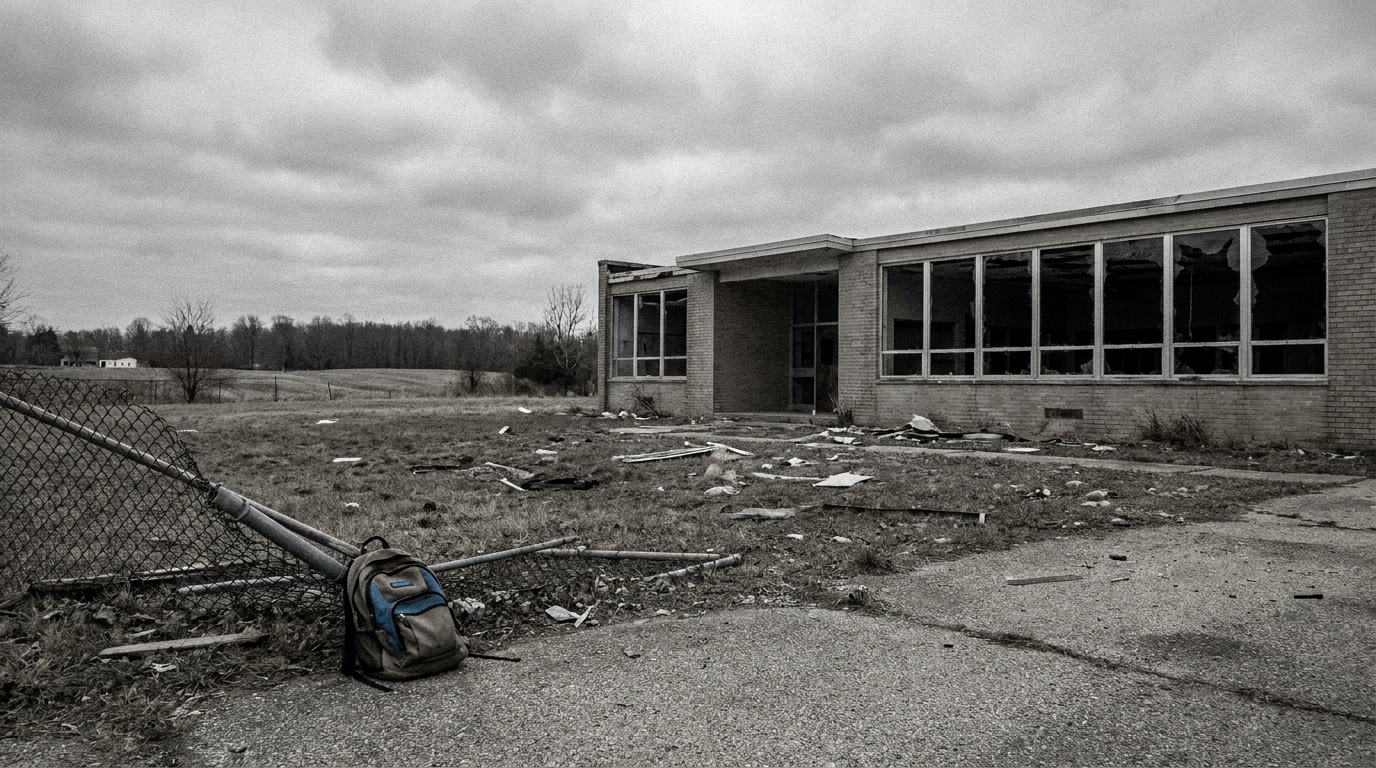
Attacks on schools, universities, students, and education staff rose by 40% worldwide in 2024 and 2025, according to a report released Monday by the Global Coalition to Protect Education from Attack (GCPEA). The report counted more than 8,556 incidents across 83 countries over the two-year period. It said at least 10,600 students and staff were killed, injured, abducted, arrested, or otherwise harmed.
The highest numbers of reported attacks were recorded in Colombia, the Democratic Republic of the Congo, Ethiopia, Haiti, Palestine, and Ukraine, the report said. Ukraine experienced about 900 attacks on schools. Palestine recorded at least 2,400 attacks on students and staff.
The report also found a sharp increase in the military use of education facilities. Cases in which military forces or armed groups occupied schools or universities nearly doubled, rising 91% from the previous two-year period to 1,912 recorded instances.
Countries with the highest number of victims
Myanmar, Nigeria, Yemen, and Cameroon accounted for the highest numbers of people harmed, with more than 1,700 students and staff killed or injured collectively, according to the report. In Nigeria, more than 700 students and staff were reportedly kidnapped during the period covered.
In Myanmar, the report said at least 80 students and staff were killed and about 240 were injured. The report also said women and girls were targeted because of their gender in at least 11 countries, and that students with disabilities were also affected.
Warnings on protections and international norms
Lisa Chung Bender, director of GCPEA, said the findings signaled rising risks for children and education workers and called for stronger protections. The report argued that attacks on education are preventable and urged states to end the military use of schools, strengthen legal protection and accountability, and invest in monitoring and reporting.
The report’s findings add to concerns about the impact of conflict and insecurity on access to education, and could shape future discussions on civilian protection and the enforcement of international humanitarian law.