Atlantic Council: U.S. global leadership hinges on a modern, reliable energy system
The Atlantic Council argues that U.S. influence depends on resilient, diversified energy infrastructure backed by public and private investment.
Sophie McAlister ·
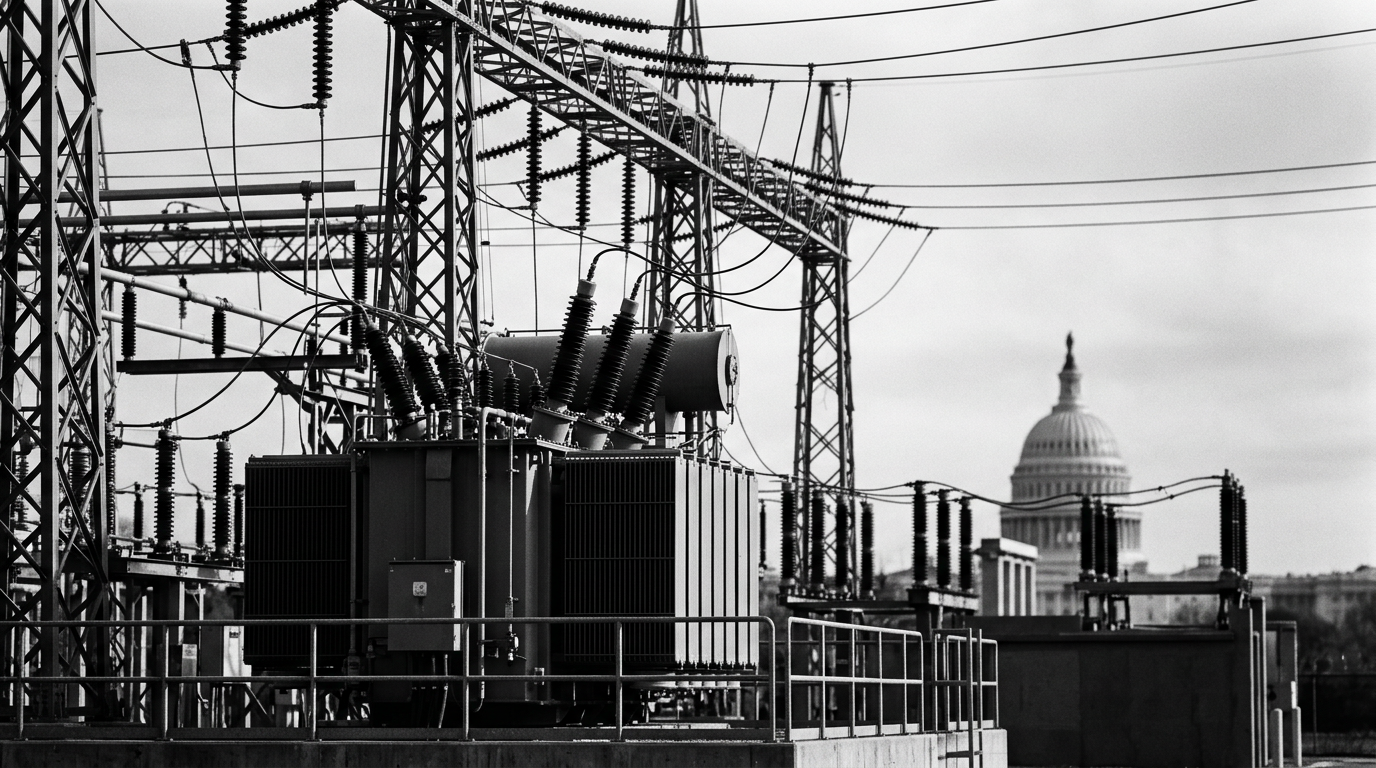
The Atlantic Council, a Washington, D.C.–based think tank, published an analysis arguing that U.S. global leadership depends on a reliable, modern energy system. The piece stresses that resilience, diversification of supply, and timely investment are foundational to American influence abroad and to strategic competition with major powers. It calls on policymakers and investors to treat energy infrastructure as a core national security priority.
The report outlines broad vulnerabilities in existing energy networks — from aging grid infrastructure to concentrated sources of supply — that can undermine diplomatic leverage and military readiness if left unaddressed. It emphasizes that shocks to energy markets, whether from extreme weather, cyberattacks, or geopolitical disruptions, can ripple quickly through the economy and constrain foreign policy options. The analysis links these systemic risks to the need for coordinated planning across federal agencies and with private-sector operators.
Modernization and diversification as strategic tools
Central to the Atlantic Council's argument is the idea that upgrading infrastructure and diversifying energy sources are not just economic measures but strategic tools. The piece describes investment in transmission, storage, and cleaner generation as steps that reduce single-point failures and increase policy flexibility. It advocates for expanding domestic production options while strengthening international partnerships to ensure stable supply lines and market integration.
The paper also highlights the role of technological innovation — including cleaner fuels, advanced grid controls, and increased electrification — as enablers of a more resilient system. It notes that deploying these technologies at scale demands targeted regulatory incentives, financing mechanisms, and public–private collaboration to bridge deployment gaps between demonstration projects and wide commercial use.
Policy, finance, and the private sector The Atlantic Council calls for sustained policy attention and financial commitment from both government and private investors. It underscores that predictable policy frameworks and clear signals from federal agencies can lower investment risk, mobilize capital, and accelerate projects that strengthen the energy backbone. The analysis points to the importance of aligning national security objectives with energy and infrastructure finance strategies.
Beyond capital, the report stresses governance and operational coordination across agencies, states, and utilities — including information sharing, joint planning for contingencies, and updated regulatory approaches that reflect the changing risk environment. The authors suggest that such coordination will be key to making infrastructure investments effective and durable.
Link to diplomacy and competitive posture
The Council links energy-system reliability to the United States' diplomatic standing, arguing that a credible ability to ensure energy flows and support partners strengthens bilateral and multilateral initiatives. Reliable energy systems, the piece contends, make U.S. sanctions, assistance, and strategic partnerships more effective by ensuring the domestic and allied capacity to absorb shocks and maintain policy unity.
As energy markets evolve, the analysis suggests the U.S. must avoid short-term fixes that create long-term vulnerabilities. It urges decision-makers in Washington to embed resilience and strategic planning into both domestic energy policy and international engagement.
What to watch next: federal policy moves, budget allocations, and major infrastructure financing decisions will indicate whether Washington treats energy system modernization as a central pillar of national and strategic policy.