House Homeland Security panel advances DHS intelligence reforms aimed at local partners
The House Homeland Security Committee approved bills to update terrorism alerts, improve threat response, and set new DHS training standards.
Sophie McAlister ·
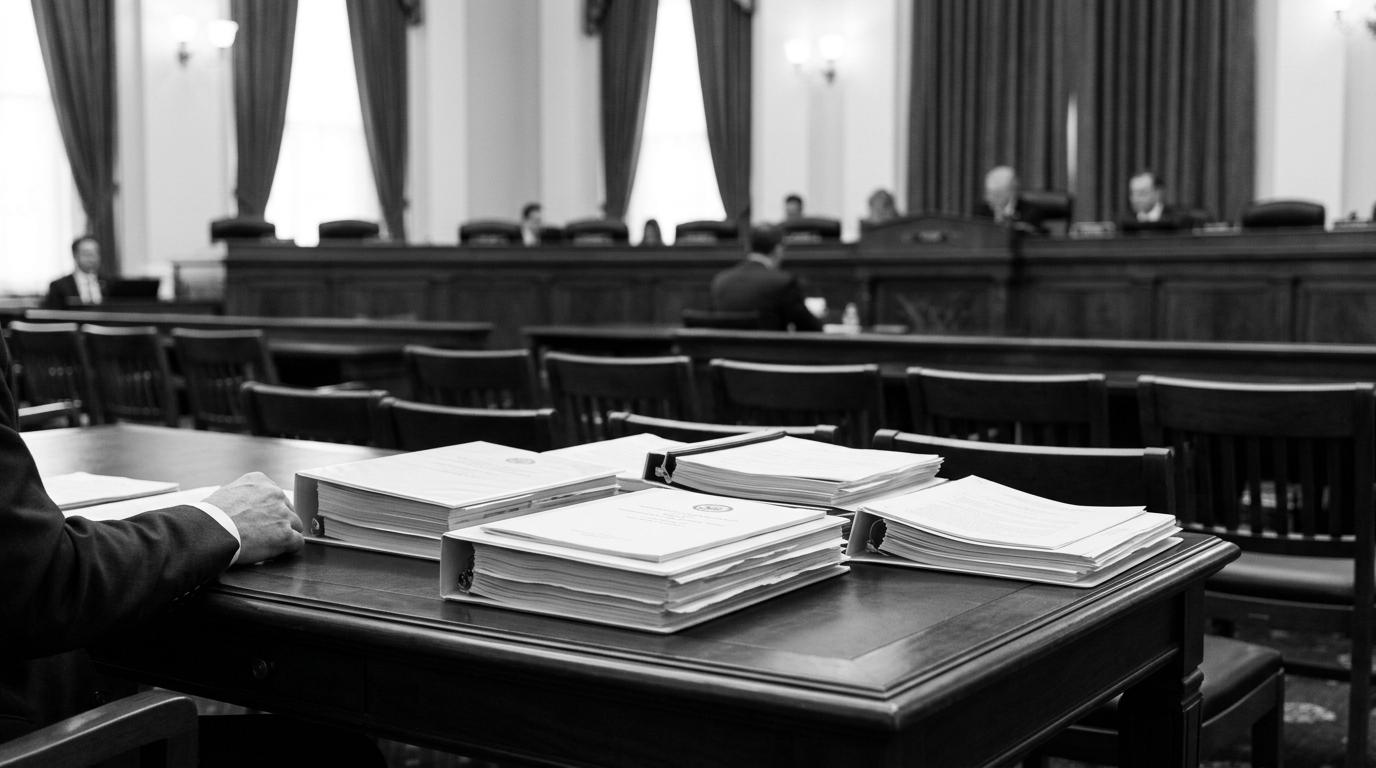
The House Homeland Security Committee approved a slate of bills this week targeting reforms to the Department of Homeland Security’s intelligence arm, advancing measures intended to modernize terror alerts, boost assistance for state and local partners, and standardize training run through the Office of Intelligence and Analysis.
The package includes provisions to update the national terrorism advisory system, increase liaison and support for local law enforcement and emergency managers, and require common training standards for analysts who share threat information outside the federal government. Committee members described the bills as an effort to improve information flow between federal intelligence personnel and the local officials who act on that information.
What the bills would change
The measures would alter how the department issues public terror notifications and how intelligence analysts coordinate with nonfederal partners. Sponsors say the changes are intended to make alerts more actionable for state, local, tribal and territorial authorities and to reduce confusion in multi-jurisdictional responses.
Another element of the package would expand the Office of Intelligence and Analysis’s capacity to provide direct assistance and training to local agencies, and to set minimum standards for that training. Supporters argue that a more consistent approach to training and liaison work will strengthen frontline readiness and improve the speed and clarity of intelligence shared with local partners.
Where Washington's role matters
The Office of Intelligence and Analysis is housed at DHS headquarters on the St. Elizabeths campus in Southeast Washington, D.C., and any statutory changes to its duties or structures would be implemented from the capital. Local agencies across the region — including the District’s Metropolitan Police Department and emergency management offices — are regular recipients of DHS intelligence products and training. Advocates for the bills said the reforms would clarify how those products are produced and distributed.
These committee actions come amid broader debate about the office’s future: the administration has proposed restructuring parts of DHS intelligence functions, and lawmakers on the panel are moving forward with statutory changes that would affect how the office engages with nonfederal partners.
Committee passage does not make the bills law. The measures now head to the full House for consideration, where they will be subject to additional debate and amendment. Congressional next steps will determine whether the reforms become binding policy or remain a blueprint for future administrative action.
Watch for votes and any amendments in the full House that could expand, narrow or otherwise alter the package before it reaches the Senate or the administration for implementation.