Atlantic Council’s Matthew Kroenig quoted on Trump and NATO in Semafor
On May 8, the Atlantic Council said Matthew Kroenig, vice president and Scowcroft Center senior director, was quoted in Semafor about President Trump’s view…
Sophie McAlister ·
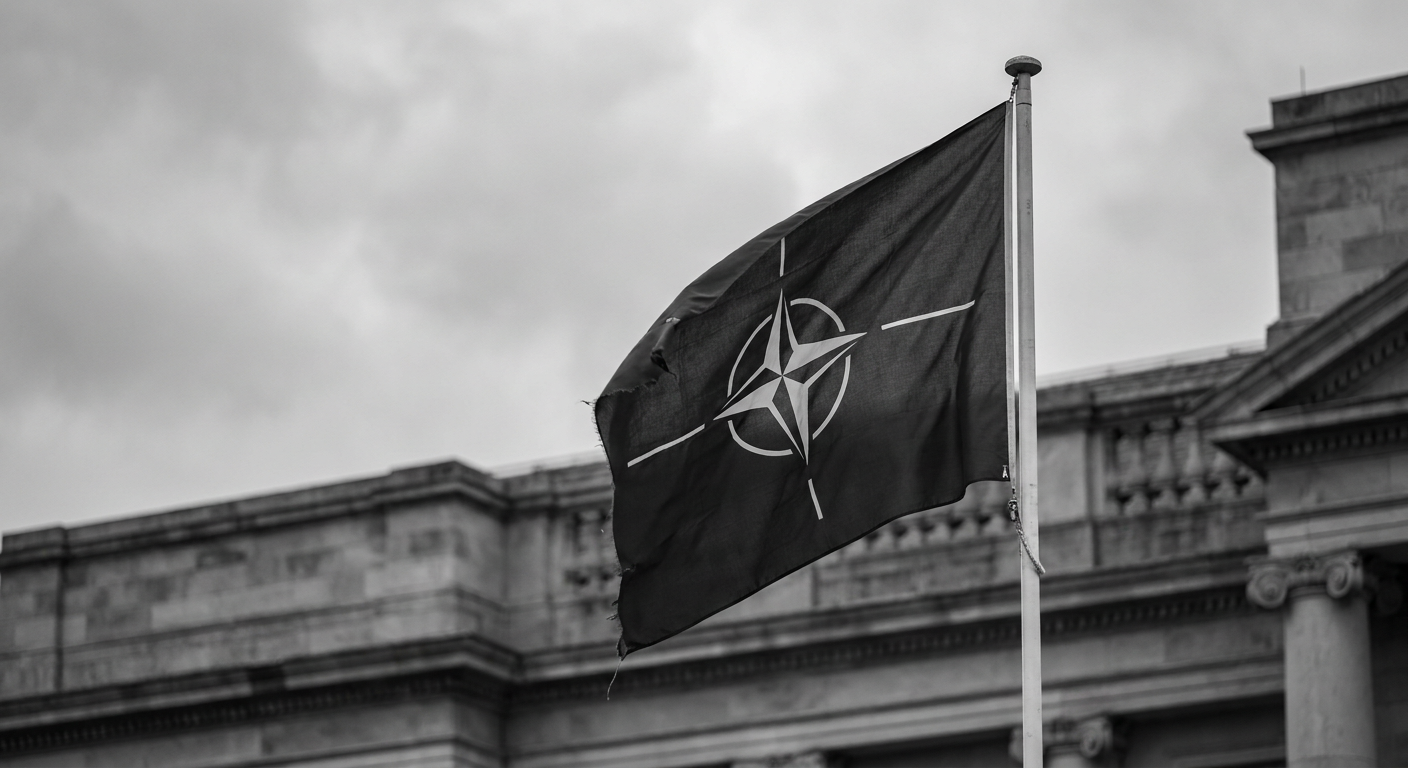
On May 8, the Atlantic Council reported that Matthew Kroenig, the think tank’s vice president and senior director of the Scowcroft Center for Strategy and Security, was quoted in Semafor discussing President Trump’s position on NATO. The Atlantic Council is based in Washington and flagged the appearance as an example of its experts contributing to national reporting on alliance politics.
Kroenig, a longtime analyst of transatlantic security issues, regularly provides commentary to national outlets and policymakers. The Atlantic Council’s notice did not add new analysis beyond confirming that Kroenig’s comments appeared in the Semafor piece, but it underscores how DC-based centers of expertise feed into broader media coverage of foreign-policy debates.
Think-tank participation in media reporting helps shape how officials, journalists and the public understand shifts in U.S. posture toward NATO. In this instance, a senior Atlantic Council official’s presence in the story links Washington-based policy networks to a wider national conversation about alliance commitments and political leadership.
Think-tank voices in national debates
The Scowcroft Center, where Kroenig serves as senior director, is focused on national security and transatlantic relationships. Its staff frequently appear in congressional hearings, government briefings and press coverage; the Atlantic Council’s advisory and research activities center on translating expert analysis for policymakers in Washington.
Semafor’s reporting, which included a citation of Kroenig, focused on President Trump’s approach to NATO — a recurring subject in U.S. foreign-policy discussions. The Atlantic Council’s note of the quote functions as institutional signaling to local and national audiences that its experts remain active contributors to debates that could influence legislative and executive branch consideration of alliance policy.
What this means for DC policy conversations
For the Washington scene, the item is a reminder that DC think tanks continue to operate as information intermediaries between reporters, elected officials and agency staff. Citations of local experts in national outlets can amplify particular frames or concerns about the NATO alliance, feeding into hearings, briefings and advocacy efforts centered in the city.
While the Atlantic Council’s post is a short notification rather than a policy paper, it highlights the steady role of DC institutions in shaping foreign-policy narratives and keeping transatlantic security on the local agenda.
Watch for any follow-up commentary from the Atlantic Council, responses from congressional offices or additional reporting that cites DC-based analysts; those signals will show whether the quoted analysis gains traction in policy circles.