Climate Extremes Threaten European Economic Growth Targets
Severe heat and drought across Europe could trigger a 180 billion Euro loss, potentially stalling annual economic growth by 2026.
Atlas Newsdesk ·
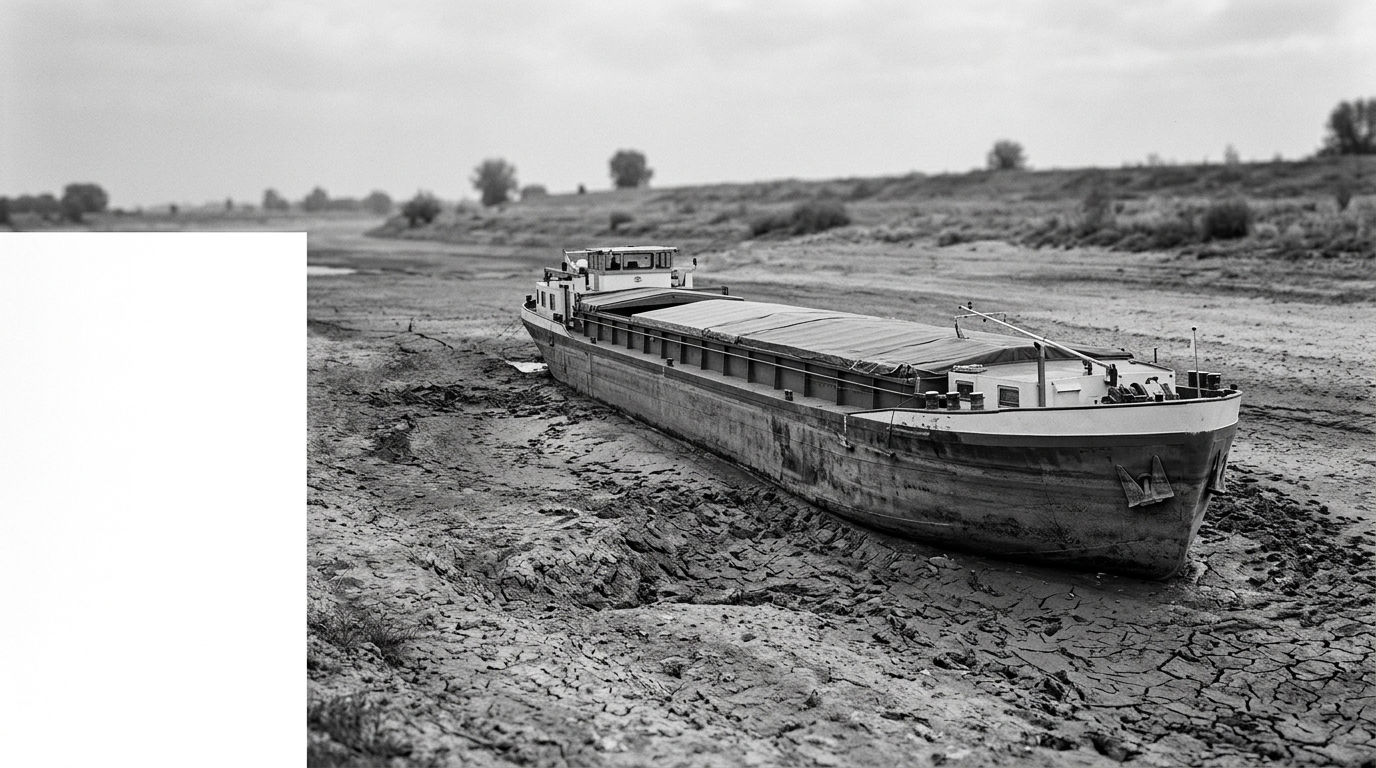
Economic Impact of Climate Volatility
Persistent heatwaves and widespread drought conditions across the European continent are casting doubt on regional growth projections for 2026. Data suggests that these environmental stressors could shave approximately one percent off the European Union’s total economic output, representing a financial deficit of roughly 180 billion Euros.
A primary driver of this projected contraction is a significant decline in labor productivity. Workplaces lacking advanced climate control systems, particularly those involving manual labor, are experiencing output drops that contribute to a 0.6 percent drag on the overall gross domestic product.
Sectoral Vulnerabilities and Regional Risks
Agricultural yields are anticipated to shrink by three to seven percent, creating a substantial risk of heightened food inflation. Simultaneously, disruptions to energy generation, supply chain logistics, and transportation networks are compounding operational expenses for businesses.
Specific national assessments highlight that France faces the most acute exposure, with potential losses reaching 1.4 percent of its domestic product. Other nations, including Spain, Italy, and Belgium, are also navigating significant fiscal uncertainties as they attempt to mitigate the impacts of these recurring weather patterns.
Future Uncertainties and Strategic Challenges
While these projections outline a difficult path forward, the exact scale of the economic damage remains subject to the effectiveness of adaptive infrastructure investments. The reliance on current climate models introduces a degree of uncertainty, as the frequency and intensity of future heat events are difficult to predict with absolute precision.