Ashwini Vaishnaw’s 2027 rail target tests India’s high-tech procurement plans
The Mumbai-Ahmedabad Bullet Train's Surat-to-Bilimora section targets a 2027 launch. Will India localize high-tech procurement or rely on imports?
Edward Mullen ·
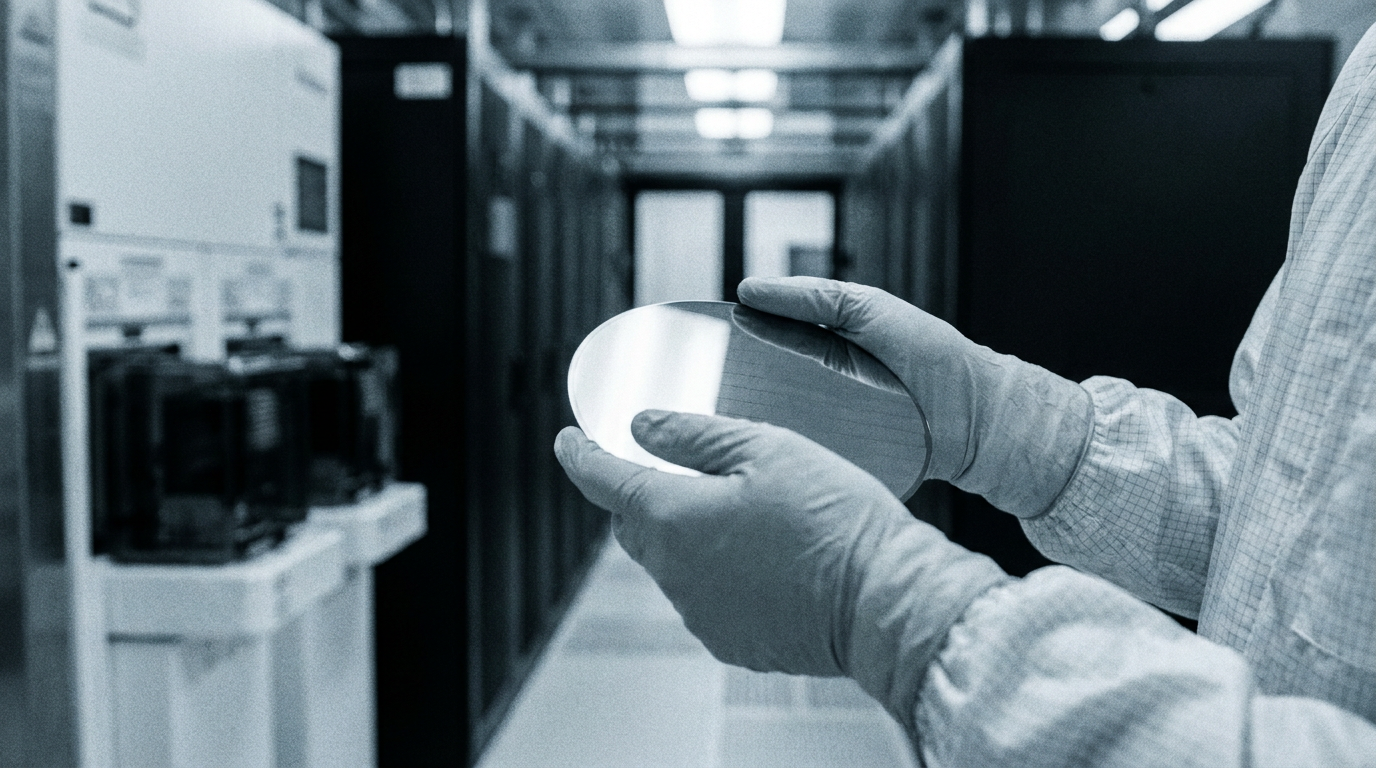
The prevailing wisdom suggests India's high-speed rail will remain dependent on foreign technology, but recent developments tell a different story. The upcoming 2027 opening of the Mumbai-Ahmedabad bullet train's first phase, alongside the inauguration of a third domestic semiconductor plant, marks a strategic realignment. This convergence indicates a calculated effort to transition major infrastructure procurement towards indigenous high-tech components.
The reported claim is narrower than the industrial story around it The Times of India report, as summarized in the packet, makes three concrete claims: the first phase of the Mumbai-Ahmedabad Bullet Train, from Surat to Bilimora, is slated for a 2027 inauguration; nearly 80% of the project is complete; and India’s third semiconductor plant is being inaugurated after decades of effort. It also says infrastructure upgrades for Ahmedabad’s railway facilities, including underpasses and station redevelopment, were highlighted.
That is enough to establish a public-infrastructure milestone, but not enough to establish a sourcing strategy for the high-speed rail system.
That distinction matters because the obvious headline reading is simple progress reporting: a delayed mega-project now has a visible first phase, and a minister is pairing railway delivery with industrial-policy momentum. The procurement reading is harder and more important for executives: if India’s public buyers begin tying rail, station, electronics, and semiconductor capacity into a single domestic-sourcing agenda, the work does not merely move from imported equipment to Indian factories.
It also moves bargaining power toward ministries, domestic component vendors, qualification labs, and engineering teams that can translate public demand into approved systems.
The semiconductor plant is adjacent evidence, not proof of rail localization The load-bearing omission in the Times of India packet is that it does not say the third semiconductor plant will supply the bullet train, nor does it describe any Make in India requirement for signaling, rolling stock electronics, control systems, or station equipment. The report puts the semiconductor announcement and the bullet-train milestone next to each other, but adjacency is not causality.
A public buyer can celebrate domestic chip capacity and still procure specialized rail systems from non-Indian manufacturers if certification, reliability, warranty, or delivery timelines make that the lower-risk choice.
That is the counter-read nobody in this packet answers high-speed rail is not a generic construction project with a few electronics bolted on. The hardest procurement categories tend to be the categories where buyers prize validated performance, long service life, and vendor accountability; the packet provides no evidence that domestic suppliers already meet those requirements for the specialized systems that make a bullet train safe and dependable.
If the 2027 opening becomes the overriding political deadline, procurement officers may actually lean more heavily on proven foreign suppliers, not less, because delay risk can outweigh localization goals.
The second-order labor issue sits inside the purchase order For the future of work, the more interesting shift is not the number of construction jobs around the corridor; the packet does not give that number. It is the type of technical labor that a domestic-procurement push would require if the rail and semiconductor announcements become linked in policy rather than just rhetoric.
Domestic sourcing of high-tech rail components would pull work toward supplier qualification, electronics integration, reliability engineering, safety documentation, and public-sector vendor management — functions that sit between factory labor and software work.
That middle layer is easy to miss because it does not look like the usual AI-and-automation story. If more components must be sourced or at least assembled and validated locally, plant managers and engineering heads need workers who can navigate standards, testing documentation, yield constraints, and government procurement language.
If localization remains aspirational, those same teams become integration managers for imported subsystems, with less margin capture and less institutional learning inside India’s supplier base.
Foreign reliance is not the only risk being repriced The consensus view the locked angle rejects is that India’s large infrastructure projects will keep relying heavily on established foreign technology because domestic capability is insufficient. That view may still be right for the most specialized bullet-train systems, and the Times of India packet does not disprove it.
But the simultaneous appearance of a 2027 rail opening target and a third semiconductor plant gives public buyers a reason to ask a different question: not whether India can localize everything, but which procurement categories can be pulled into domestic supply chains without threatening delivery.
The exposed actors, in that scenario, are not simply foreign suppliers. They are any vendors whose advantage depends on procurement staying fragmented: rail equipment in one lane, station redevelopment in another, electronics capacity in a third, and semiconductor policy somewhere else.
The beneficiaries would be domestic firms able to qualify for public infrastructure work, but the under-noticed middle is the certification and integration layer that decides whether a locally made component becomes a line item in a government contract or remains a policy talking point.
Analysis: the signals that would make this procurement thesis real This analysis should not be read as a reported finding that India has already localized the bullet train’s high-tech supply chain. The observable signals are more specific: tender documents that favor domestic sourcing for specialized rail electronics, public language connecting the third semiconductor plant to infrastructure demand, supplier announcements tied to the Surat-to-Bilimora opening, and Ahmedabad railway redevelopment contracts that include Indian high-tech component vendors rather than only civil works.
If those signals do not appear before the 2027 opening, the safer reading is that the bullet-train milestone and the semiconductor milestone remain parallel announcements, not one procurement strategy.
For executives watching India as a manufacturing and AI-infrastructure market, the issue is whether public procurement becomes a demand anchor for domestic high-tech suppliers. A rail corridor can create predictable demand in a way that startup markets cannot, but only if the purchasing authority writes that demand into contracts and accepts the delivery risk that comes with building a supplier base.
The Times of India report gives the date, the completion claim, and the semiconductor milestone; it does not yet show the procurement mechanism that would turn them into an industrial shift.