Armenian Political Stability Faces Risks from External Influence
Armenia faces internal political instability as Russia-aligned opposition groups challenge election results and utilize external influence to undermine state…
Atlas Newsdesk ·
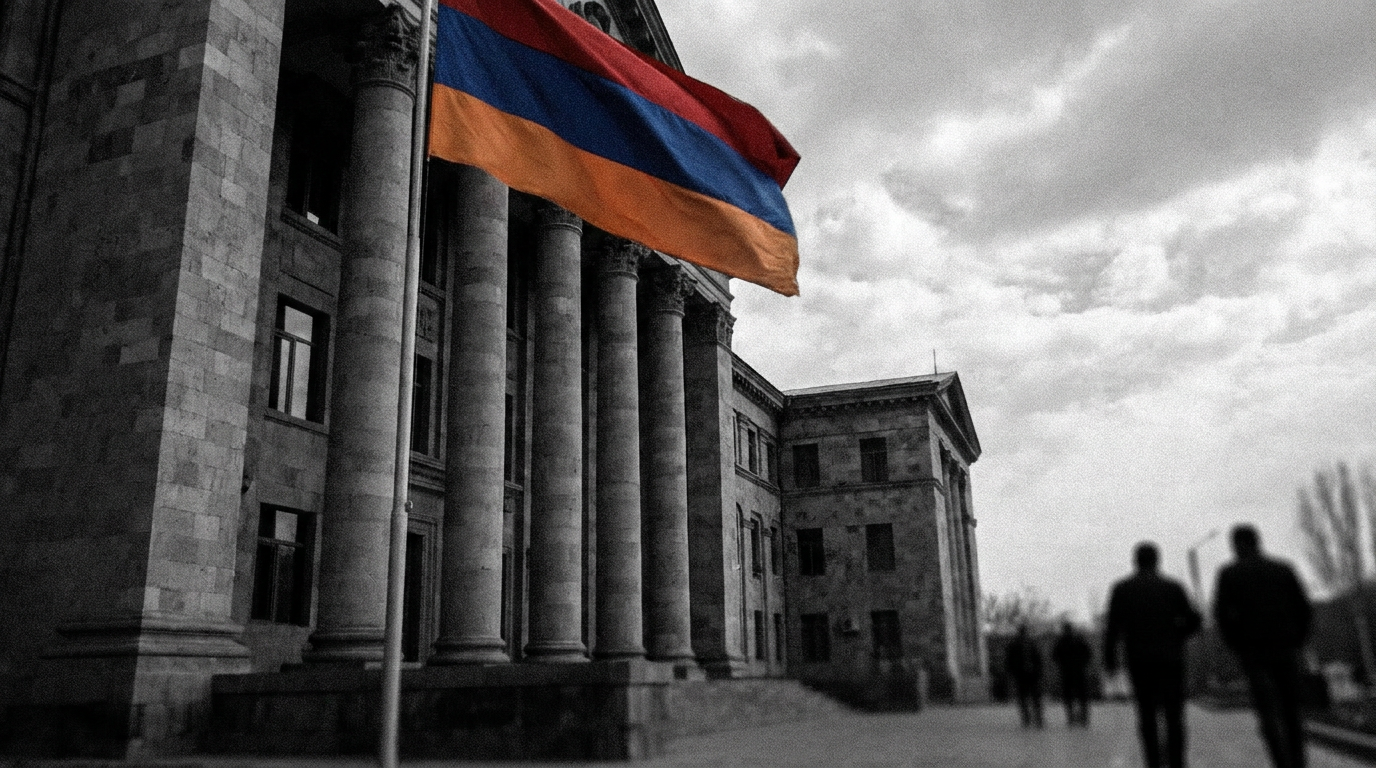
Armenia’s parliamentary election results, which secured a majority for the incumbent administration, remain unrecognized by the Russian government. This lack of recognition coincides with efforts by Russia-aligned opposition parties to challenge the legitimacy of the electoral process and mobilize public resistance against the current government.
Institutional stability is currently threatened by a strategy of internal polarization and the use of external influence operations. These tactics, which include economic coercion and political pressure, aim to undermine state institutions and democratic accountability within the country.
Unlike traditional models of democratic decline driven by executive overreach, the risk in Armenia stems from opposition actors supported by foreign interests. This dynamic highlights vulnerabilities in weakly institutionalized party systems and suggests a broader regional pattern of interference intended to destabilize post-Soviet states.