Trump Administration Uses AI Videos in Diplomacy Shift
The Trump administration has expanded its use of AI-generated content, including synthetic videos of military strikes, on social media since September 2026…
Lauren Collins ·
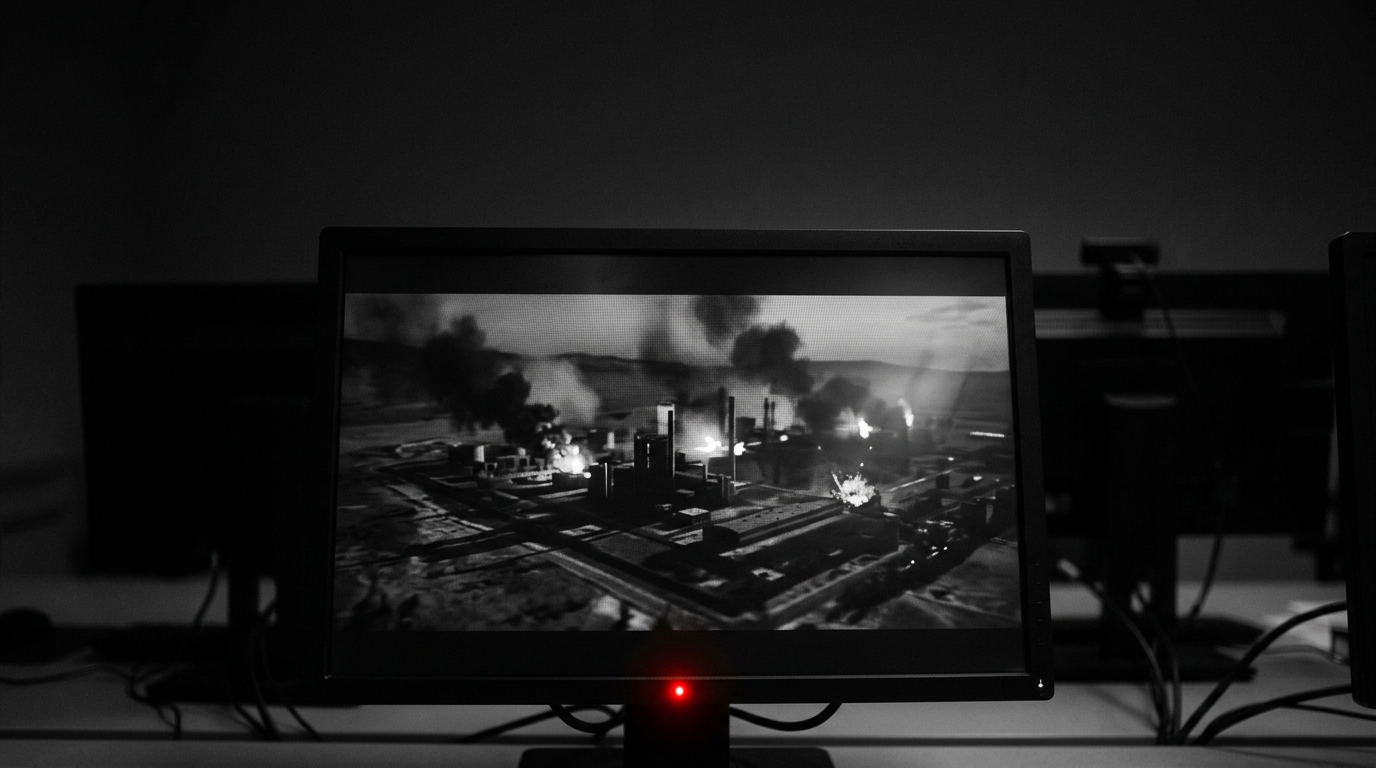
In September 2026, the Trump administration significantly increased its deployment of artificial intelligence-generated content across various social media platforms. This strategic move involved the distribution of synthetic videos, notably those portraying military actions against Iranian infrastructure. This represents a marked deviation from traditional government communication methods.
The administration's approach emphasizes the swift creation of high-fidelity visual simulations. These are intended to project national intentions and shape international perceptions. By leveraging algorithmic distribution instead of conventional diplomatic briefings, the White House aims to exert psychological pressure on perceived adversaries globally.
Digital Diplomacy and Ambiguity
This tactic introduces a persistent level of ambiguity regarding the authenticity of military threats. As a result, foreign intelligence services may be compelled to dedicate more resources to verify the legitimacy of digital content disseminated by the U.S. government. This shift has broader implications for how nations interpret official communications.
The long-term effects of this policy could include a significant erosion of established diplomatic norms. It also risks destabilizing existing crisis communication protocols. As these tools become more integrated into state communication, the international community faces increasing challenges in discerning genuine escalatory signals from domestic political messaging.
Impact on International Relations
This heightened uncertainty is anticipated to continue as the White House incorporates synthetic media into its wider foreign policy framework throughout the remainder of the year. This development ushers in a new era for state-level communication, prompting crucial questions about verification processes and trust in international relations. The integration of advanced AI into diplomatic tools fundamentally alters the landscape of global influence operations.
Experts suggest that this evolution in communication strategy could redefine the parameters of informational warfare and public diplomacy. Nations and international bodies will need to adapt their intelligence gathering and analysis methods to cope with a landscape where visual evidence can be easily manipulated. The implications extend to alliances, treaties, and the overall stability of geopolitical interactions, as the line between truth and fabricated content becomes increasingly blurred. This calls for new protocols and agreements to manage the responsible use of such powerful technologies.
Future Challenges for Verification
The proliferation of AI-generated content from state actors demands robust mechanisms for authentication and verification. Without clear standards or widely accepted methods to confirm the origin and veracity of digital media, misinterpretation and escalation risks could rise. This new frontier in information dissemination poses significant challenges for intelligence agencies, policymakers, and the public alike in navigating an increasingly complex global information environment.