Aramco Warns of Oil Market Disruption Amid Hormuz Crisis
Saudi Aramco warns of severe global oil market disruption as the Strait of Hormuz blockage removes 20M barrels/day, driving Brent crude to $119.
Atlas Newsdesk ·
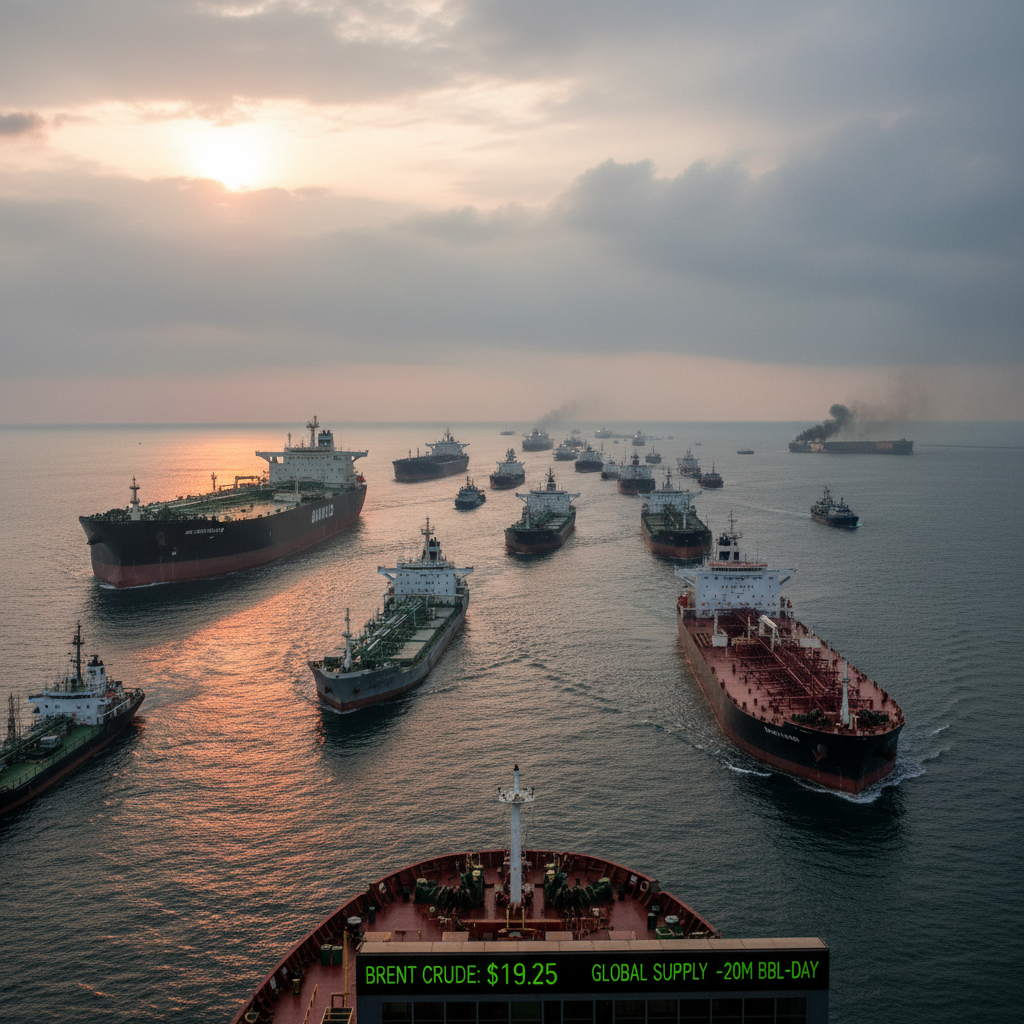
Saudi Aramco, the world's largest oil producer, has issued a stark warning regarding the global oil market following significant disruptions in the Strait of Hormuz. The company projects severe consequences for international energy supplies and prices due to the ongoing blockage, which has been active for nearly two weeks. This critical maritime chokepoint, essential for global oil transit, has seen a drastic reduction in shipping activity.
The disruption has removed an estimated 20 million barrels of oil per day from the global market. Consequently, Brent crude prices have escalated, reaching $119 per barrel this week, a level not observed since 2022. The Strait of Hormuz typically facilitates the passage of approximately 100 tankers daily, but current traffic has reportedly dwindled to single-digit figures.
Saudi Aramco's Mitigation Efforts
In response to the crisis, Aramco has initiated measures to mitigate the impact on its export capabilities. The company anticipates rerouting about 70% of its standard crude exports, equivalent to 5 million barrels per day, through its east-west pipeline. This pipeline connects to the Red Sea port of Yanbu, bypassing the Strait of Hormuz.
Plans are underway to increase pipeline shipments to their maximum capacity of 7 million barrels per day in the coming days. Of this volume, 2 million barrels are designated for Saudi domestic refineries, with the remaining 5 million barrels allocated for international markets. Additionally, Aramco is utilizing crude oil from its storage facilities located outside the Gulf region to fulfill immediate customer requirements.
Geopolitical Context and Market Response
The current instability in the Strait of Hormuz stems from heightened tensions following US-Israeli military actions targeting Iran. Threats issued by Iran's Islamic Revolutionary Guard Corps have contributed to the severe reduction in maritime traffic through the strait. Aramco's CEO, Amin Nasser, characterized the situation as the most significant crisis to confront the region's oil and gas sector.
International bodies are also addressing the escalating situation. Finance ministers from the G7 nations convened to discuss the potential release of emergency oil stocks. However, these discussions did not result in a consensus or an agreement to proceed with such a release. Continued disruption in the Strait of Hormuz is widely expected to have profound and adverse effects on the global economy.
Outlook and Economic Implications
The sustained blockage of the Strait of Hormuz poses a substantial risk to global economic stability. Energy prices are likely to remain elevated, impacting inflation and potentially slowing economic growth worldwide. The reliance on alternative shipping routes and strategic reserves highlights the vulnerability of global supply chains to geopolitical events in key transit areas. The situation underscores the interconnectedness of energy markets and international political dynamics.
Further developments regarding diplomatic efforts and the security situation in the Gulf region will be critical in determining the long-term trajectory of oil prices and global economic performance. The ability of major oil producers to sustain alternative export routes will also be a key factor in managing the crisis.
Implications
Country Impact: Saudi Arabia is leveraging its pipeline infrastructure to maintain oil exports, mitigating immediate revenue loss but facing broader regional instability. Other oil-importing nations face higher energy costs and potential supply shortages.
Industry Impact: The global oil and gas industry faces significant supply chain disruptions and increased price volatility. Shipping and logistics sectors are severely impacted by the closure of a critical maritime route, necessitating costly rerouting.
Market Impact: Global energy markets are experiencing upward price pressure on crude oil, leading to inflationary concerns. Equity markets may react negatively to increased energy costs, while bond markets could see shifts as central banks weigh inflation against economic growth.