Aramco warns Hormuz closure drained global oil stocks fast
Aramco said the Hormuz closure has drained oil inventories, while higher prices helped lift its quarterly profit to $32.69 billion.
Lauren Collins ·
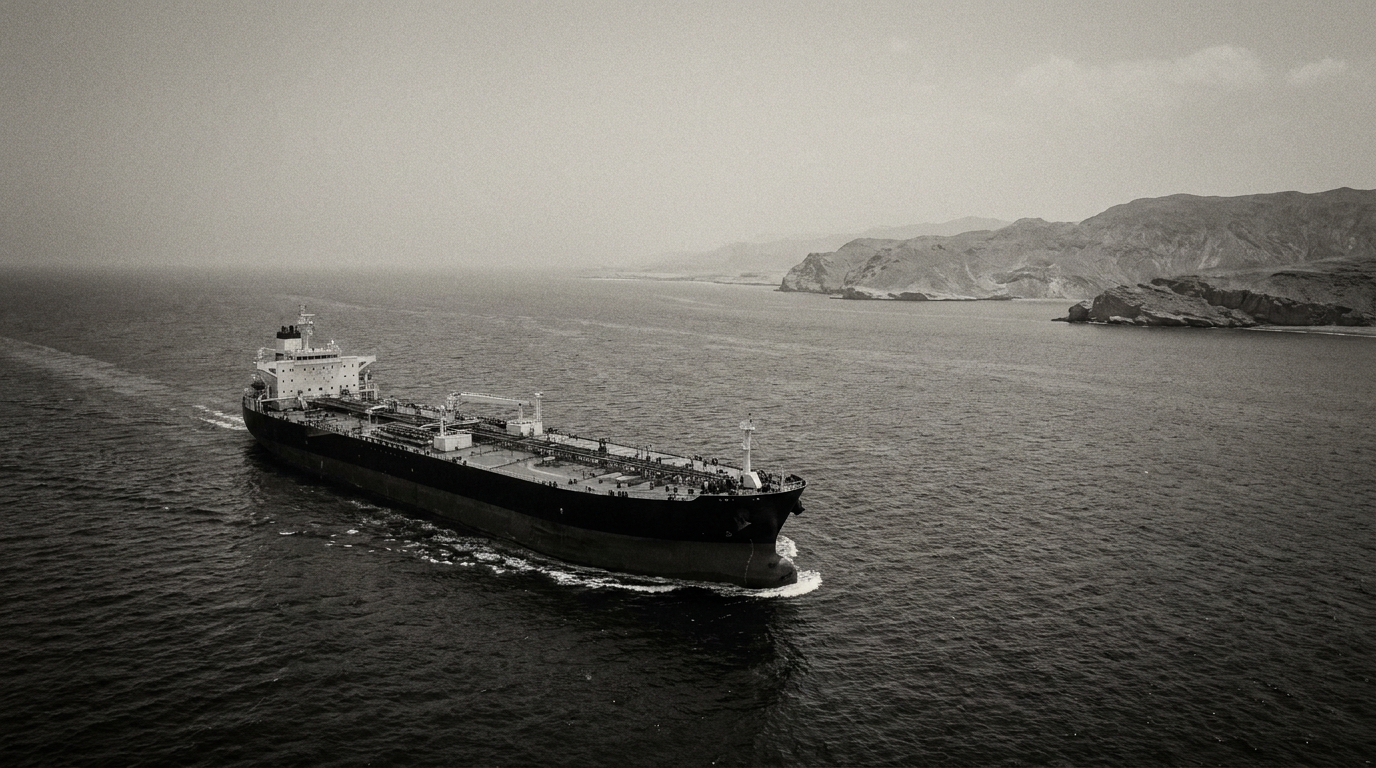
Aramco says the Hormuz shutdown has drained over 2.6 billion barrels of oil, exposing how the Iran war is reshaping energy supply.
Chief Executive Amin Nasser gave the estimate Tuesday while discussing the Saudi producer’s second-quarter results. He said the missing barrels amount to nearly a month of typical global crude output, a scale that turns a regional military conflict into a worldwide energy constraint.
Hormuz closure drains inventories
The Strait of Hormuz remains the central pressure point because it normally functions as a critical route between Gulf producers and global buyers. Nasser tied the loss directly to the strait’s closure since the U.S. war with Iran began in February, saying countries and companies have had to draw on storage rather than rely on normal seaborne flows.
His replenishment math shows why reopening the channel would not instantly repair the market. “If the Strait were to open today, it would take up to 18 months at an average rate of 2.1 million barrels a day to replenish depleted inventories,” Nasser said while reviewing the company’s earnings.
Strategic petroleum reserves, commercial stockpiles and weaker demand have softened the immediate blow, according to Nasser. Those buffers matter politically because reserve releases can hold down fuel pressure for consumers, but they also leave governments with less insurance if a second shock arrives before inventories are rebuilt.
East-West Pipeline cushions Aramco
Aramco reported a 44% rise in quarterly net profit to $32.69 billion, helped by higher oil prices and by its ability to move crude away from the blocked waterway. The company has relied on Saudi Arabia’s East-West Pipeline, a route that gives it an advantage over producers with fewer export alternatives.
Nasser said attacks on some Aramco facilities caused temporary production interruptions but did not materially affect operations or finances. He pointed to the company’s storage system, export terminals and pipeline network as the infrastructure that kept shipments moving through a conflict that has constrained maritime flows.
That resilience creates a sharper divide inside the oil sector. Companies with inland pipeline access, storage flexibility and multiple loading points can protect sales more effectively, while producers and refiners dependent on disrupted shipping lanes face higher logistical risk and thinner operating margins.
Refinery strain narrows options
Nasser’s warning centered on the fuel system, not only crude supply. He said refineries around the world are already operating near full capacity, which means a prolonged plant outage or another interruption in crude flows could quickly tighten diesel, gasoline and jet fuel markets.
The macro channel is straightforward: if crude and refined products stay constrained, energy-importing economies face higher transport and production costs. That can complicate inflation management for governments and central banks, especially where fuel subsidies or tax cuts would transfer the pressure from households to public budgets.
For Aramco, the next path depends on whether the conflict eases, hardens or spreads to other infrastructure. If Hormuz reopens and stays open, the company says it could restore production to pre-conflict levels within days, but global inventories would still need months of rebuilding at the rate Nasser described.
If the conflict continues without a new major outage, Aramco’s pipeline system could keep supporting earnings while reserve draws and lower demand absorb some market stress. If another supply route or refinery is hit, the burden would move from crude availability to fuel scarcity, pushing refiners, shippers and governments into a tighter contest for barrels.
The main open questions are operational rather than abstract: whether the strait can reopen safely, how long reserve releases can continue, and whether refinery capacity can avoid a prolonged outage. Until those answers change, Aramco’s numbers show a company benefiting from price and logistics advantages while warning that the wider energy system has less slack than it did before February.