AI shares boost U.S. stocks after Bessent signals Iran deal
U.S. stocks reached records as Brent crude fell after Scott Bessent signaled a possible Iran deal on the Strait of Hormuz.
Claire Dubois ·
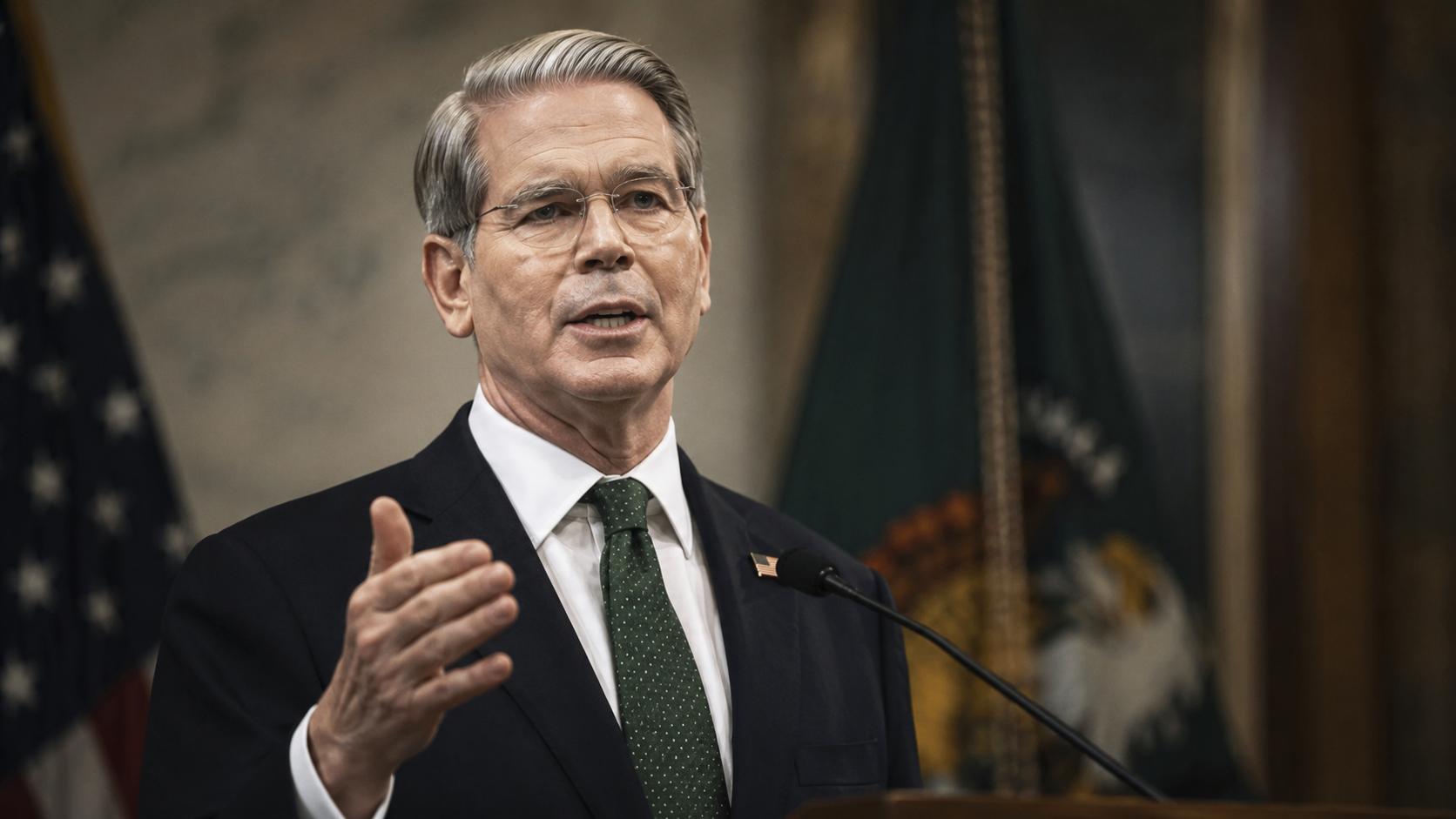
U.S. stocks hit records as oil slid on Strait of Hormuz deal hopes, while Palantir, Caterpillar and Wayfair led a broad rally.
Hormuz comments cut oil risk
Treasury Secretary Scott Bessent said the U.S. could reach an agreement with Iran to reopen the Strait of Hormuz “today or tomorrow.” Brent crude dropped 4.41% to $79.36 a barrel after the comments, as traders reduced the risk premium attached to a possible supply disruption.
The relief trade stayed fragile. A new attack on a cargo vessel off Oman briefly pushed crude prices higher again, showing that any diplomatic opening remains exposed to security shocks in nearby waters.
Negotiations have been slowed by Iran’s demand to collect tolls from ships moving through the strait. One proposal under discussion would send Gulf-bound vessels through Iranian waters while ships leaving the Gulf would use Omani waters without paying fees.
Records spread across indexes
The Dow Jones Industrial Average climbed 907.47 points, or 1.71%, to 54,085.88, a new all-time high. The S&P 500 rose 136.02 points, or 1.79%, to a record 7,736.52, while the Nasdaq composite gained 671.10 points, or 2.59%, to 26,584.99.
Preliminary exchange data showed 1,848 advancing issues and 898 decliners on the NYSE. That breadth gave the rally a broader base than a narrow technology move, with investors responding to both lower energy stress and strong company updates.
The market reaction tied together two forces that often pull in opposite directions: geopolitical risk and growth appetite. Lower crude prices can ease pressure on fuel-sensitive businesses and consumers, while a calmer Gulf shipping picture can support confidence in global trade routes.
Company results widen the rally
Palantir jumped almost 30% after the data-analytics company said quarterly revenue nearly doubled and lifted its outlook. Chief Executive Alex Karp called the results “otherworldly” and said “demand for AI sovereignty has now been unleashed.”
The surge did not fully erase investor caution around the stock. Palantir remained down about 8% for the year after months of concern that newer AI tools could weaken demand for its software and analytics platforms.
Caterpillar rose 5.6% and added several hundred points to the Dow after reporting a 35% increase in construction sales. The company also said demand from data-center customers for generators helped drive a 17% gain in its power and energy business.
Wayfair surged 30% after its U.S. furniture operation delivered its best second quarter since 2020, suggesting a recovery from years of softness. Boeing gained 1.6% after the FAA certified the 737 MAX 7 following years of delays after two fatal crashes involving a larger variant, while Spotify fell 1.7% despite adding 7 million premium subscribers and posting record gross margins as marketing and AI spending weighed on results.
If a Hormuz arrangement holds and vessel traffic normalizes, the mechanism for markets is straightforward: lower oil volatility can reduce inflation pressure, support risk assets and give companies such as Palantir more room to trade on earnings rather than geopolitics. Energy users, airlines, retailers and industrials would likely benefit more than producers from a sustained fall in crude prices.
If talks break down or attacks continue, oil could rebuild a security premium and reverse part of Tuesday’s equity rally. In that case, Palantir’s AI outlook would still matter for the company, but the wider market would likely shift attention back to shipping risk, energy costs and the durability of corporate margins.