Tunis Protests Intensify Amid Economic Hardship, Saied Faces Pressure
Hundreds protested in Tunis against President Saied's consolidated power and worsening economic conditions, marking the second consecutive month of…
Lauren Collins ·
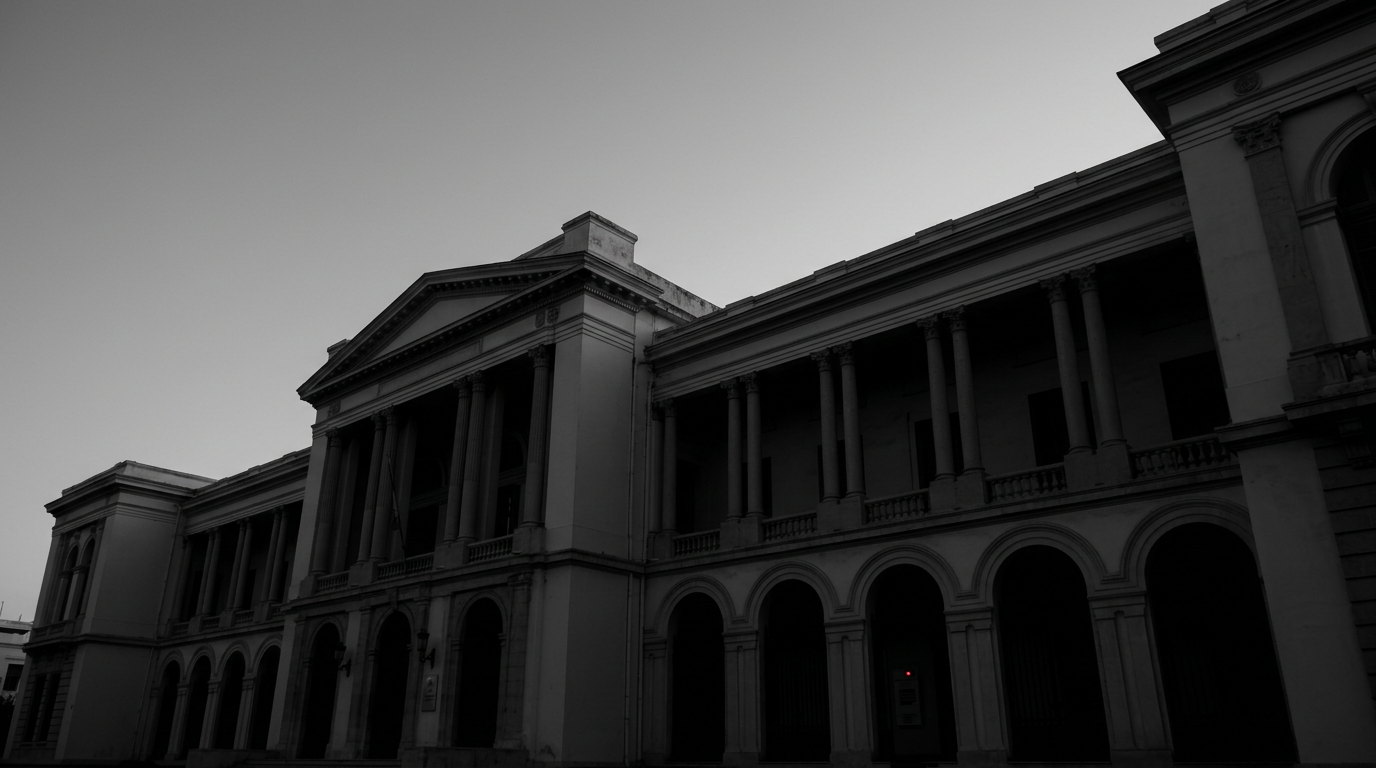
Hundreds of demonstrators gathered in Tunis on Thursday, demanding President Kais Saied's resignation and the restoration of democratic governance. This marked the second consecutive month of such public protests, reflecting growing public dissatisfaction with the president's accumulation of power since he began ruling by decree in 2021.
The current political unrest is deeply linked to President Saied's centralized authority and Tunisia's deteriorating economic situation. Saied took steps to dissolve parliament and restructure the judicial system, effectively securing direct control over these essential state functions. These actions have drawn criticism from international human rights organizations, particularly concerning reports of arrests involving journalists and opposition figures.
Economic Strain Fuels Public Anger
Tunisia is currently experiencing significant economic difficulties. Data indicates an inflation rate of 5.2 percent, according to the World Bank. This financial pressure is compounded by severe shortages of essential goods and medications nationwide. To manage fiscal challenges, the government has implemented measures such as freezing public sector hiring and imposing restrictions on imports, further intensifying public frustration.
Citizens are contending with crumbling infrastructure and frequent interruptions to basic utility services. Public discontent is increasingly shifting from purely political grievances to the immediate and tangible hardships affecting daily life. This situation places growing pressure on President Saied's administration to address both the perceived democratic deficit and the systemic economic challenges facing the nation.
Broader Political Context and International Concerns
Since his actions in July 2021, when he suspended parliament and dismissed the government, President Saied has progressively expanded his powers. He oversaw the drafting of a new constitution, which was approved in a referendum characterized by low turnout, replacing the 2014 post-revolution charter. Critics argue these steps have dismantled Tunisia's nascent democracy, which emerged following the 2011 uprising that initiated the Arab Spring.
The ongoing protests signal sustained opposition to his leadership and policies. International organizations and key allies have voiced concerns regarding the trajectory of democratic freedoms and human rights in Tunisia, advocating for a return to constitutional norms and an inclusive political dialogue. The deepening economic crisis risks further destabilizing the nation, potentially influencing regional security and migration patterns.
Outlook for Tunisian Stability
The convergence of political grievances and economic hardship presents a complex challenge for the Tunisian government. Addressing the immediate needs of the population, such as reliable access to basic goods and stable employment, alongside demands for political reform, will be critical. The outcome of these ongoing protests and the government's response will significantly shape Tunisia's future political landscape and its relationships with international partners, including the European Union and various financial institutions.
Many observers fear that without a comprehensive approach to both political and economic reforms, the country could face prolonged instability, impacting its standing as a regional democracy and potentially leading to further international isolation.