Gaza Conflict: Five Palestinians Killed in Overnight Strikes
Israeli forces killed five Palestinians in Gaza City and Khan Younis overnight, contributing to 658 fatalities since October 10 ceasefire.
Lauren Collins ·
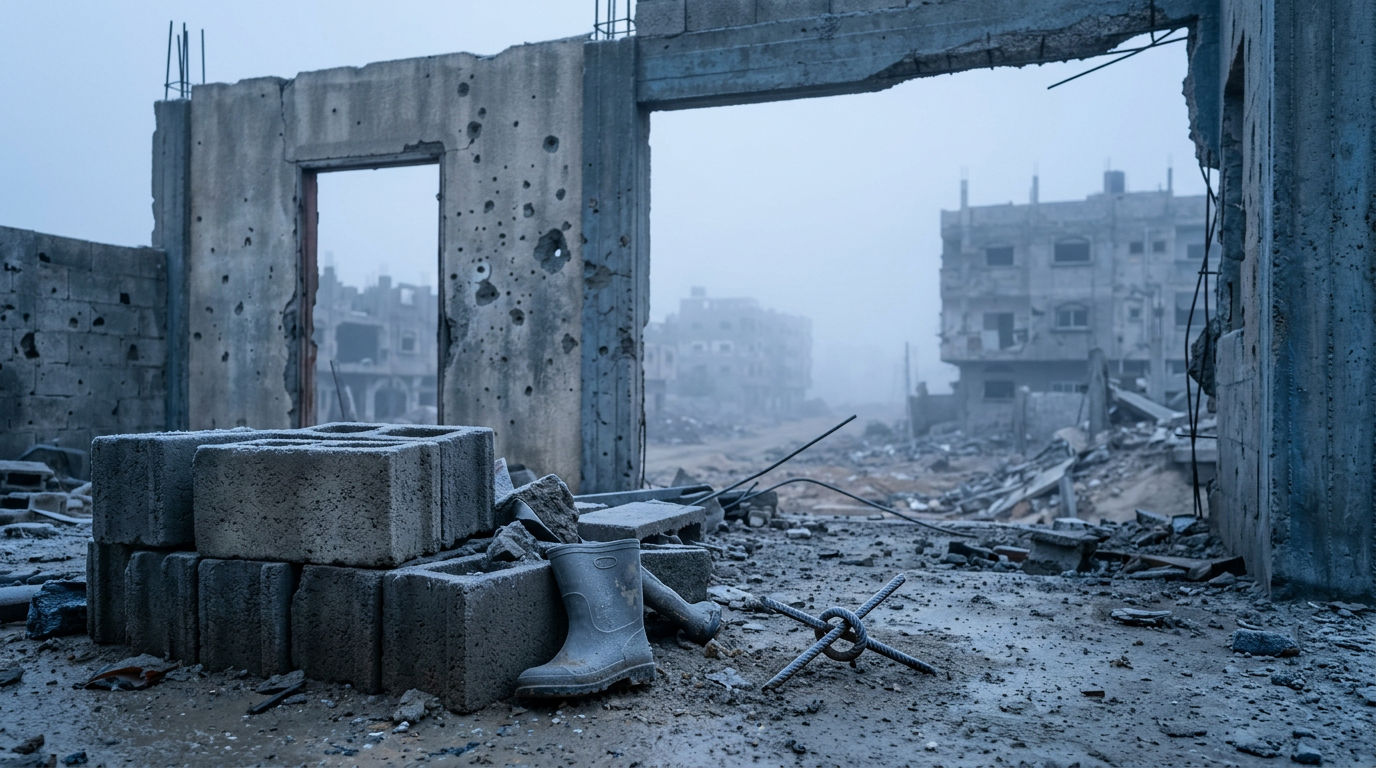
Overnight operations by Israeli forces in the Gaza Strip resulted in the deaths of five Palestinians across Gaza City and Khan Younis between Friday and Saturday, March 14, 2026. These fatalities contribute to a rising death toll in the region, which has seen intensified military activity following broader regional tensions.
The Gaza Ministry of Health reported seven deaths since Thursday morning, bringing the total number of fatalities to 658 since a ceasefire agreement on October 10. Among the recent casualties, two police officers were killed during an Israeli forces' attack on a police post in Khan Younis on Saturday.
Humanitarian Crisis Deepens
The ongoing conflict has severely impacted the humanitarian situation within Gaza. The Rafah border crossing, a critical conduit for medical evacuations, remains closed by Israel. This closure prevents thousands of injured Palestinians, including children, from accessing essential medical treatment abroad.
One such case involves 12-year-old Hamdi, who requires specialized surgery for injuries sustained during Israeli bombardments. Despite receiving approval for overseas medical care, Hamdi remains stranded due to the border closure, highlighting the dire state of medical access.
Healthcare System Under Strain
Gaza's healthcare infrastructure has been significantly degraded by over two years of continuous conflict. This deterioration makes external medical care not just beneficial, but critical for individuals with complex injuries that cannot be adequately treated within the Strip.
Adding to the humanitarian challenges, sandstorms have recently swept across the Gaza Strip. These weather conditions further exacerbate the already difficult living circumstances for displaced Palestinians residing in temporary shelters, increasing health risks and discomfort.
Regional Context and Escalation
The recent military actions in Gaza occur approximately two weeks after joint United States-Israel strikes targeted Iran. These earlier strikes have been cited as a catalyst for a wider regional conflict, contributing to the current heightened tensions and military engagements in the area.
The broader geopolitical landscape continues to influence the local dynamics in Gaza, with international observers closely monitoring the humanitarian impact and the potential for further escalation. The closure of key access points like the Rafah crossing remains a significant point of concern for international aid organizations and human rights groups.
Implications
Country Impact: The ongoing conflict and border closures exacerbate the humanitarian crisis within Gaza, particularly impacting access to critical medical care for injured civilians. This situation places immense pressure on local authorities and aid organizations.
Industry Impact: The destruction of infrastructure and the disruption of supply chains due to prolonged conflict severely hinder any potential for economic recovery or development within the Gaza Strip. The healthcare sector faces critical shortages and capacity issues.
Market Impact: Regional instability, fueled by events like the Gaza conflict and broader geopolitical tensions, can lead to increased risk premiums in regional markets. This may affect investor confidence and commodity prices, particularly energy.