PM Burnham Navigates Economic Scrutiny in First PMQs
Prime Minister Andy Burnham faced tough economic questions in his first PMQs, defending fiscal strategy amid high borrowing costs and market volatility.
Atlas Newsdesk ·
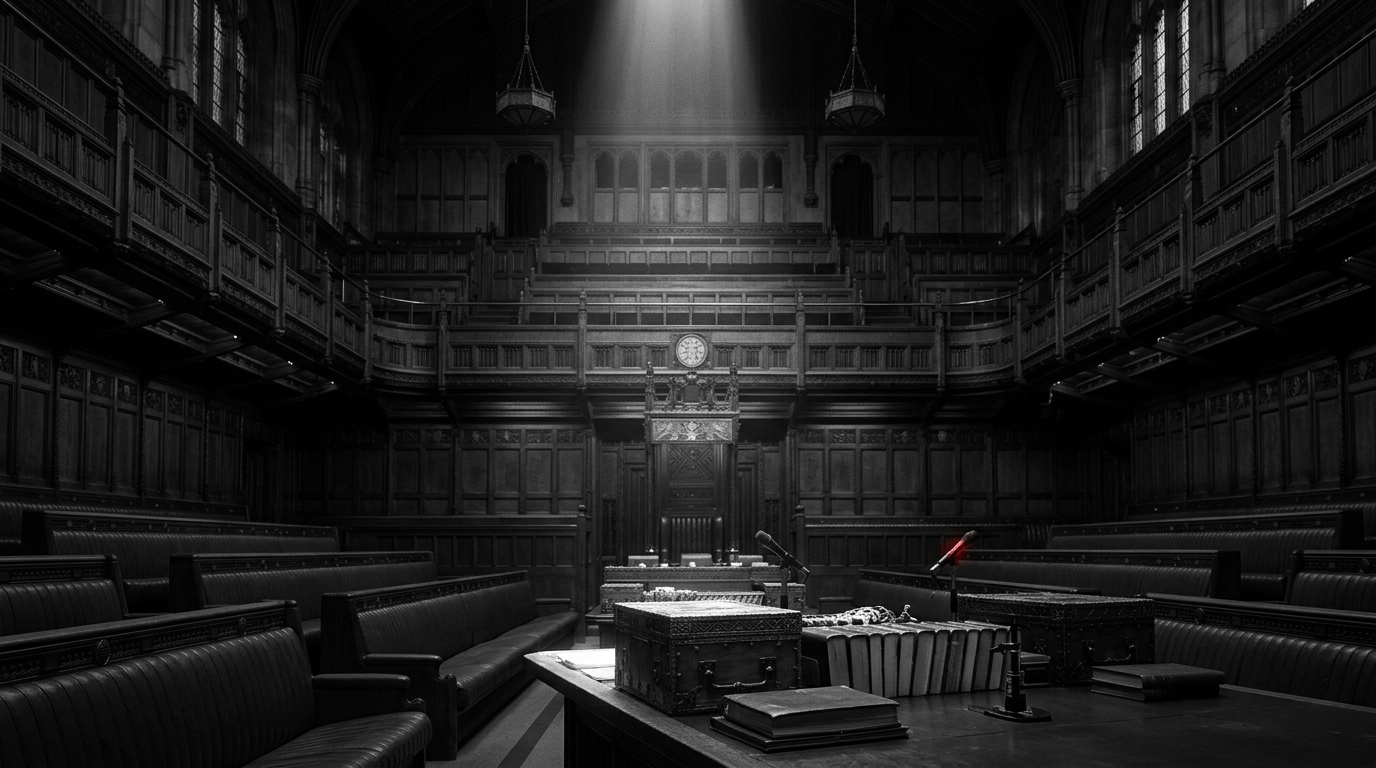
Prime Minister Andy Burnham recently completed his inaugural Prime Minister’s Questions (PMQs) session, utilizing the parliamentary forum to outline and defend his government's economic approach. The session, contrary to some hopes for greater political cooperation, unfolded as a series of confrontational exchanges between the ruling party and the opposition.
The new administration is operating within a challenging macroeconomic landscape. Key factors influencing its policy decisions include elevated government borrowing costs and considerable instability observed across international bond markets. During the parliamentary debate, Prime Minister Burnham directly addressed inquiries concerning the nation's financial health, emphasizing recent reductions in various taxes and business rates as central to his economic agenda.
Attributing Economic Instability
During the session, Prime Minister Burnham attributed the current economic instability not to his government's recent policy decisions but to a prolonged period of stagnation inherited from the preceding administration. He asserted the government's belief that external forces, particularly volatility in global energy prices, are the primary contributors to the fiscal pressures currently facing the country.
The domestic political environment remains complex, with the opposition party also subject to ongoing examination regarding its past economic stewardship. The public association of the current shadow chancellor with previous periods of financial instability offers the governing party a consistent point of critique in parliamentary discussions and broader public discourse. This strategic advantage allows the government to redirect some immediate scrutiny.
Navigating Future Fiscal Challenges
While the present administration benefits from perceived weaknesses within the opposition, the nation's underlying economic conditions still necessitate difficult fiscal choices. Policymakers anticipate that significant trade-offs in public expenditure and revenue generation will be required in the near future to stabilize the economy and address systemic structural issues.
The government's strategy seeks to balance immediate relief measures, such as tax cuts, with the broader imperative of fiscal consolidation. This must all occur within an environment characterized by persistent global economic uncertainties. Upcoming parliamentary sessions are expected to continue their focus on these economic realities, as both the government and opposition refine their arguments in anticipation of future budget announcements and policy decisions. The sustained pressure from high borrowing costs and shifts in market dynamics will likely define the tenor of national economic debates for the foreseeable future.
Broader Economic Context and Communication
The economic challenges confronting Prime Minister Burnham's government broader global trends, where numerous nations grapple with inflationary pressures, supply chain disruptions, and the enduring economic consequences of recent international events. Domestically, the administration must manage public expectations for economic stability and growth, while simultaneously contending with the fiscal constraints inherited from previous governments.
The government's capacity to effectively communicate its economic strategy and manage public perception will be crucial for maintaining political stability amidst these economic headwinds. This involves not only clear policy articulation but also demonstrating tangible progress in addressing the core economic concerns of the populace. Failure to clearly articulate and demonstrate progress could exacerbate public dissatisfaction and intensify political opposition.