Hormuz Closure Threatens Global Energy Supply
The closure of the Strait of Hormuz is causing a significant global energy crisis, impacting oil supplies and agricultural costs, according to the IEA.
Atlas Newsdesk ·
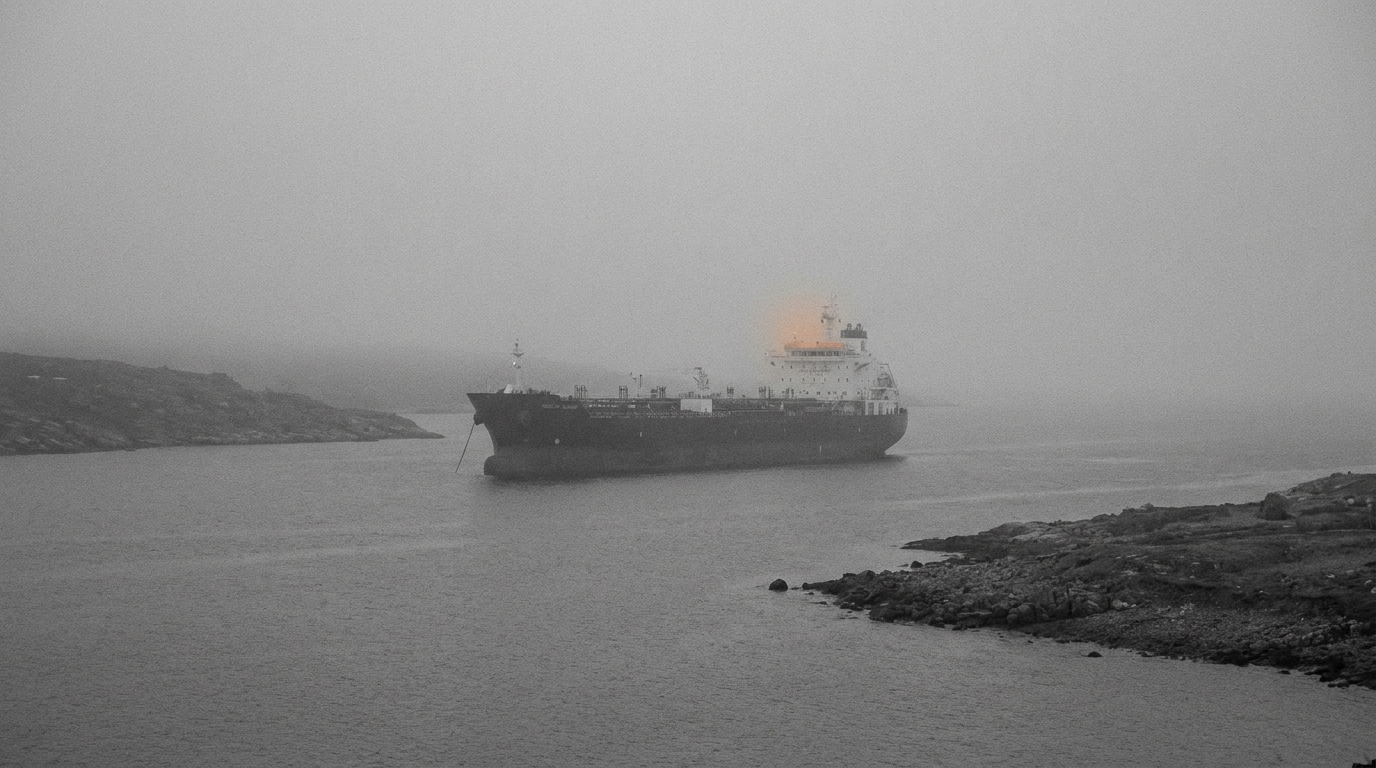
The International Energy Agency (IEA) reported this week that the ongoing closure of the Strait of Hormuz, a critical shipping lane off Iran's coast, is severely impacting global energy markets and contributing to an uncertain economic outlook. IEA Executive Director Fatih Birol stated that the global energy crisis will persist until the waterway reopens, emphasizing that even then, significant challenges will remain.
The conflict involving the United States, Israel, and Iran has led to the largest supply disruption in the history of the global oil market. Oil output from Persian Gulf countries is currently more than 14 million barrels per day below pre-war levels, rapidly depleting global inventories. This disruption is also affecting global agriculture, with rising fertilizer costs projected to increase food prices.
The International Energy Agency
In response, the IEA coordinated the release of 400 million barrels of oil reserves among its member nations and is advising 40 countries on demand reduction strategies, including public transportation subsidies and remote work encouragement. The crisis is prompting a realignment of global energy policies, with countries prioritizing supply security over price.
Nigeria has requested to strengthen ties with the IEA, and the United Arab Emirates, which recently left OPEC, is also building institutional links with the agency.