Alphabet lifts 2026 AI capex plan above $200 billion target
Alphabet raised its 2026 capital spending outlook to $195 billion–$205 billion as AI infrastructure demand tests investor patience.
Atlas Newsdesk ·
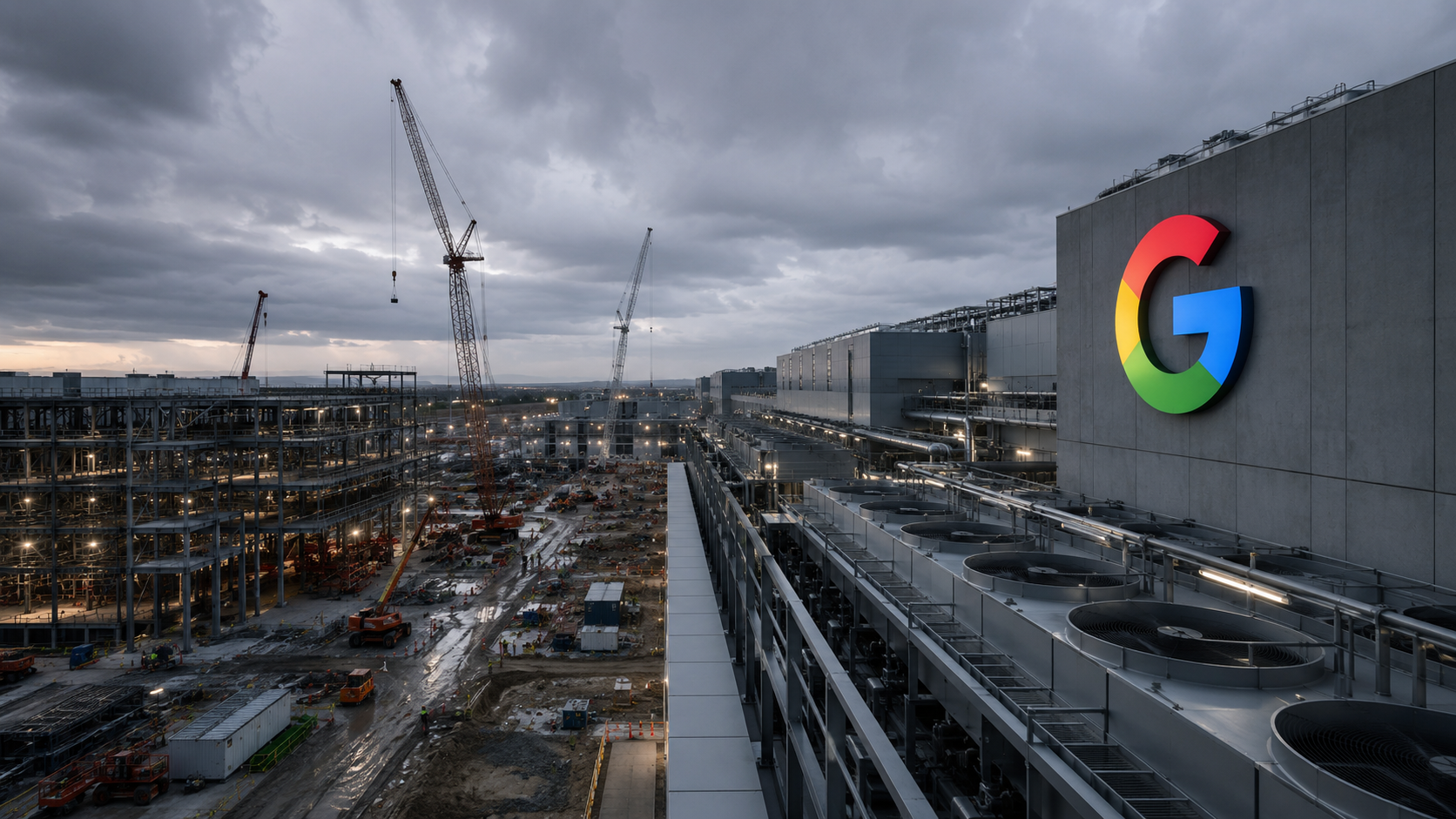
Alphabet raised its 2026 capital spending outlook to $195 billion–$205 billion as AI infrastructure demand tests investor patience.
The new range is higher than the company’s prior ceiling of $190 billion and above the roughly $186 billion analysts had expected. The Google parent said the larger budget reflects a push to expand computing capacity for artificial intelligence and support more cloud revenue.
The update landed with second-quarter results that were strong on cloud demand but overshadowed by the scale of the spending plan. Alphabet shares fell 4% in after-hours trading Wednesday after closing at $342.09 in New York.
A $205 billion AI ceiling
Alphabet is trying to secure the chips, data centers and related infrastructure needed to run and sell AI services at scale. The capital spending increase signals that management sees computing supply as a constraint on future growth, especially in cloud contracts tied to AI workloads.
Investors are focused on whether that spending can turn into durable revenue rather than a drag on margins. Alphabet is the first major US technology company to report this earnings season, so its guidance may influence how the market judges the AI budgets of other large platform companies.
Thomas Monteiro, a senior analyst, questioned how investors would absorb the bigger commitment. "The new raise in capex does not sit well for Alphabet," he said, adding that rates and pressure on AI infrastructure supply could challenge assumptions about funding the buildout with cash flow.
Cloud backlog cushions the bill
The company’s cloud business gave investors evidence that demand is rising alongside the spending. Cloud revenue reached $24.77 billion in the quarter ended June 30, up 82% from a year earlier and ahead of the $22.46 billion analysts had expected.
Alphabet also reported a cloud backlog of $514 billion, a measure of contracted business not yet recognized as revenue. That figure was up from roughly $460 billion in the prior quarter, suggesting that customers are committing to future use even as the company spends heavily to serve them.
The backlog matters because it offers a bridge between today’s capital expenditure and tomorrow’s reported sales. If Alphabet can convert those contracts into revenue on schedule, the cloud unit could help justify the AI infrastructure bill and ease pressure on the broader profit story.
AI spending tests tech margins
The tension is not limited to Alphabet. Large technology companies have committed vast sums to data centers and AI infrastructure, but investors are still measuring how quickly those assets produce revenue, customer retention and pricing power.
For suppliers of chips, servers, power equipment and data-center services, Alphabet’s guidance points to continued demand for AI capacity. For cloud rivals, it raises the bar: customers may expect faster model performance, broader AI tools and larger compute commitments from every major provider.
The macro channel runs through capital intensity and financing conditions. If high rates persist, investors may apply more pressure to companies that are spending ahead of revenue, particularly when AI infrastructure requires large upfront commitments and long payback periods.
Three paths for 2026
If cloud demand holds and the $514 billion backlog converts into revenue, Alphabet’s higher spending could support growth without forcing a major reset in investor expectations. In that case, the company gains capacity, the cloud industry keeps expanding AI services, and the global technology cycle remains supported by data-center investment.
If infrastructure costs keep rising or supply shortages slow deployment, the same spending plan could weigh on margins before new revenue arrives. Alphabet would face tougher questions on cash flow, suppliers would still benefit from scarcity pricing, and the sector could see a wider split between companies that can fund AI internally and those that cannot.
A third path is a demand timing mismatch: customers sign large AI and cloud contracts, but revenue recognition trails the capital buildout. That would leave Alphabet with strong long-term indicators but near-term earnings pressure, while the wider industry watches utilization rates, backlog conversion and future capex revisions for signs of whether the AI cycle is accelerating or stretching out.