Myanmar Military Reclaims Strategic Towns Amidst Conflict
Myanmar's military has recaptured 22 towns from opposition forces since 2021, shifting the civil conflict dynamic, amidst continued humanitarian crisis.
Lauren Collins ·
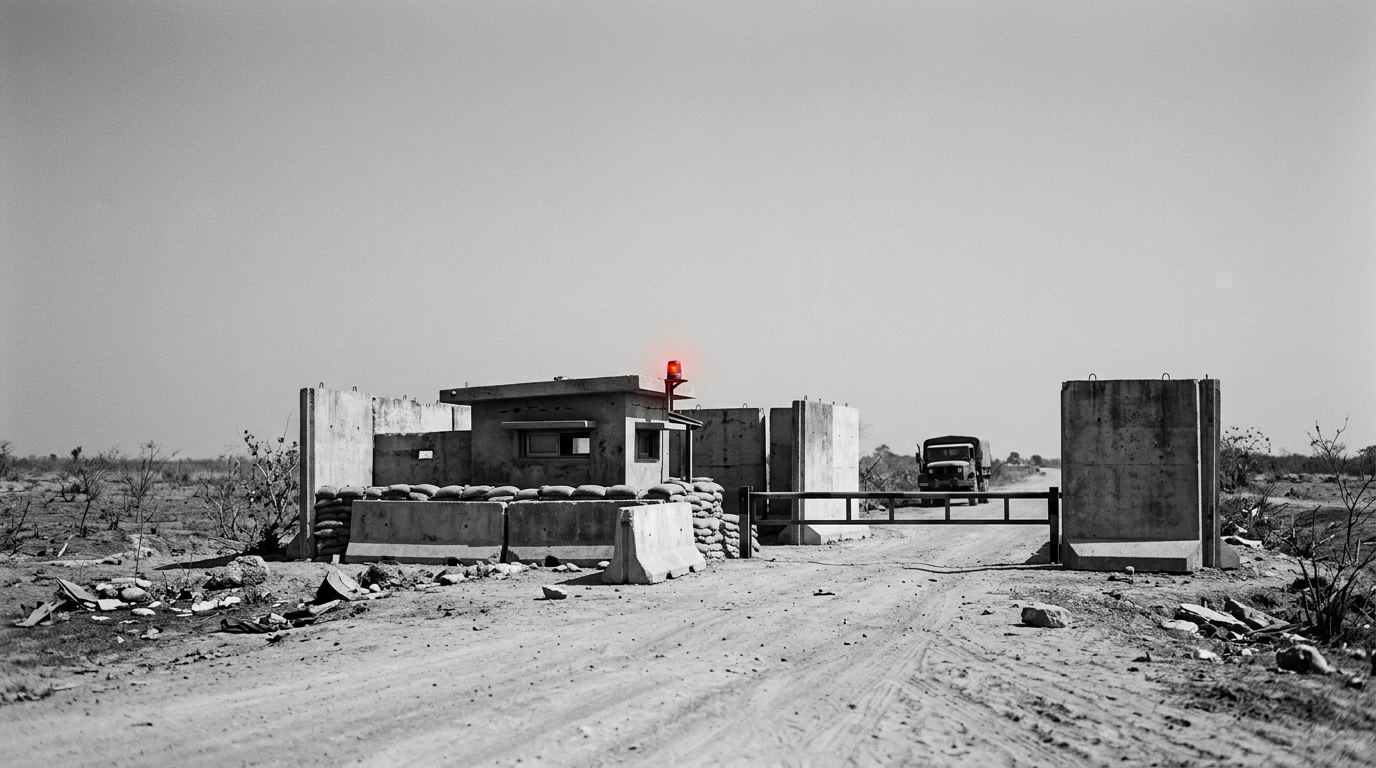
Myanmar's military has recovered 22 of the 101 towns previously lost to opposition forces since the 2021 coup, indicating a notable change in the ongoing civil conflict. These recent gains, primarily located in Chin, Kachin, Kayin, and Rakhine states, have disrupted vital trade routes and compelled resistance groups to shift from offensive operations to defensive guerrilla tactics. The military's renewed strength is attributed to a large-scale conscription initiative, which has added approximately 150,000 personnel, and an intensified air campaign.
Independent analysts have noted that the military has carried out more than 2,500 air strikes in specific regions, such as Falam, to diminish opposition control. These operational achievements have been further supported by diplomatic and logistical assistance from China. Beijing has reportedly facilitated localized ceasefires and limited the supply of weapons to certain resistance factions, influencing the conflict's dynamics.
Shifting Dynamics and Humanitarian Concerns
Despite these territorial reversals for the opposition, the broader conflict continues as a war of attrition. Although the military has regained roughly 9 percent of its lost territory, it has encountered difficulties in fully re-establishing administrative authority in the recaptured areas. The conflict, which began following the coup in February 2021, has seen prolonged and intense fighting across multiple fronts.
The humanitarian toll remains severe. Reports indicate over 100,000 fatalities since 2021, with 3.9 million people displaced across the country. This escalating crisis highlights the profound impact of the protracted fighting on civilian populations, leading to widespread suffering and critical needs for assistance. The displacement figures represent a significant portion of Myanmar's population, emphasizing the internal migration driven by violence and instability.
International Engagement and Future Outlook
The involvement of external actors, particularly China's diplomatic efforts, suggests a complex regional dimension to the conflict. China's actions, aimed at brokering ceasefires and controlling arms flows, underscore its strategic interests in Myanmar's stability, especially concerning border security and trade. However, the overall stalemate between the military and resistance forces suggests that a definitive political resolution remains elusive, with neither side able to secure a decisive victory.
The military's conscription drive and air superiority tactics have been pivotal in its recent advances. However, the transition of resistance groups to guerrilla warfare indicates that the conflict is far from over and could evolve into a prolonged insurgency. The inability to fully administer recaptured territories also points to the challenges the military faces in consolidating its control beyond mere territorial acquisition, suggesting continued instability and resistance in these areas.
Persistent Instability and Socioeconomic Fallout
The disruption of key trade corridors, a consequence of the military's operations, has broader economic implications for Myanmar and potentially for regional trade. Such disruptions can exacerbate economic hardships for the population and complicate recovery efforts in conflict-affected zones. The ongoing fighting ensures a volatile environment, deterring investment and hindering development initiatives critical for the country's future.
The international community continues to monitor the situation, with calls for an end to violence and a return to democratic governance. However, the internal dynamics of the conflict, coupled with external influences, create a challenging landscape for any immediate resolution. The humanitarian catastrophe necessitates ongoing aid and attention, while the strategic actions of both sides shape the evolving trajectory of Myanmar's turbulent political landscape.
Regional Security Implications
The situation in Myanmar carries significant regional security implications, particularly for neighboring countries facing potential refugee influxes and cross-border illicit activities. The protracted instability poses a threat to the broader ASEAN region's peace and economic integration goals. Continued humanitarian crises and displaced populations put pressure on bordering nations and international aid organizations, highlighting the interconnectedness of regional stability.