AEI warns that network fragility is amplifying workers’ risks in a digital economy
A new American Enterprise Institute essay argues that changes in workplaces and communications management have expanded the scale of network outages and…
Sophie McAlister ·
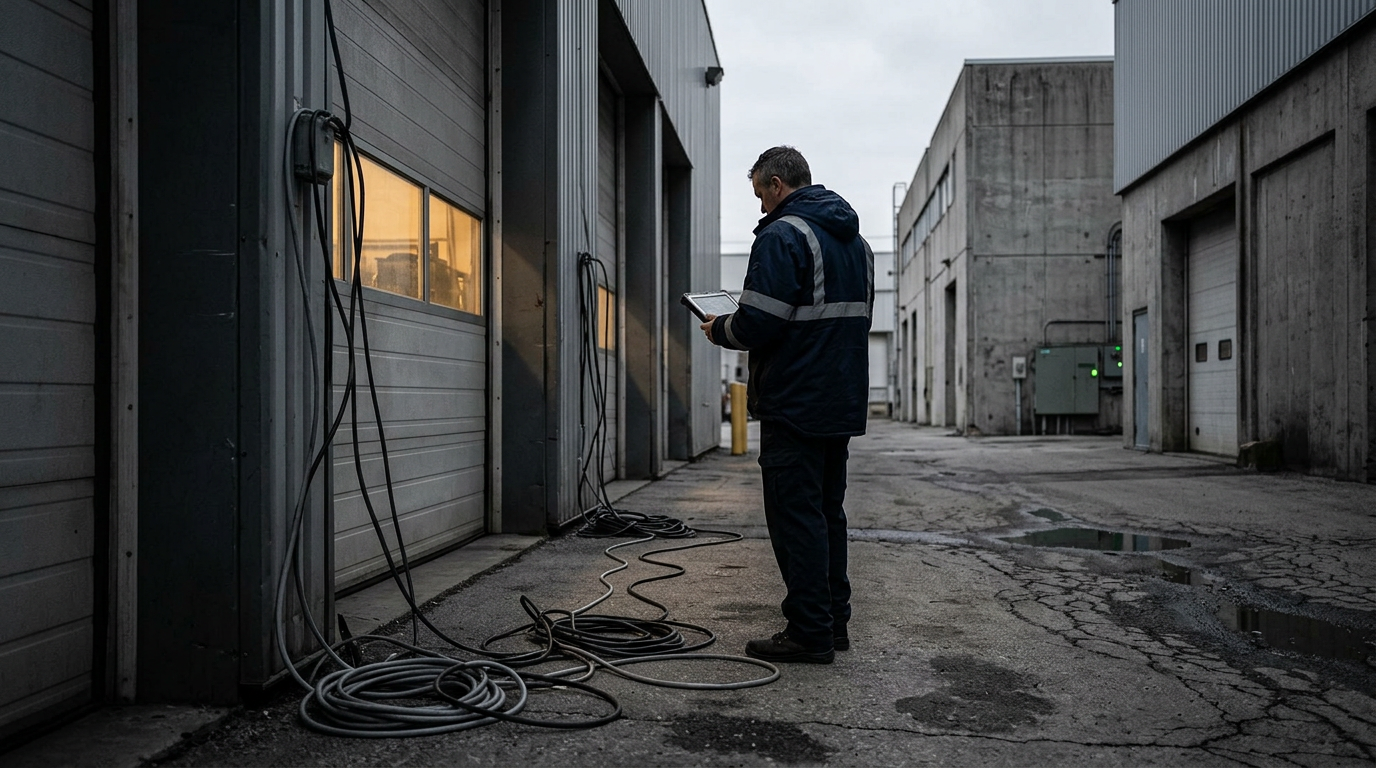
The American Enterprise Institute, a Washington think tank based in Dupont Circle, published a new essay arguing that changes in the workplace and in how communications networks are managed have expanded the scale and scope of vulnerabilities to network outages, with growing social costs for workers and households. The piece frames network outages not just as technical incidents but as economic and social disruptions that disproportionately affect workers who rely on digital connectivity for pay, scheduling, and basic services.
AEI's analysis links shifts such as increased remote work, greater reliance on cloud platforms and third-party services, and centralized network management to a larger systemic surface for failures. When communications systems falter, the essay says, knock-on effects can ripple through payroll systems, point-of-sale services, gig-economy platforms, and employer operations — amplifying the hardship experienced by hourly and digitally mediated workers. The paper emphasizes that commercial arrangements and operational practices matter alongside technical resilience.
The American Enterprise Institute
The authors highlight the concept of “commercial resilience” — the ability of firms and markets to maintain critical functions amid outages or disruptions — as a policy concern that sits alongside traditional network reliability. That framing broadens the policy conversation beyond engineering fixes to include contractual relationships, redundancy in supply chains, and incentives for firms to invest in backup systems. AEI argues that failing to address both network and commercial resilience will compound social costs.
The essay situates these risks in a policy context, urging regulators and lawmakers to consider measures that strengthen both infrastructure and the commercial systems that depend on it. The paper does not prescribe a single blueprint; rather, it underscores the urgency of integrating resilience into policy and corporate governance. AEI also notes that the growing interdependence of services means outages can cascade across sectors, raising questions about which entities — private firms, regulators, or public agencies — should lead mitigation and how to share costs and responsibilities.
For Washington, D.C., the argument matters because AEI is an active node in the local policy ecosystem: its research and convenings reach congressional staffers, regulators, and other policy institutions that shape technology and labor rules. The think tank’s framing of outages as a social and labor issue has the potential to influence hearings, regulatory inquiries, and legislative proposals that intersect with worker protections, critical infrastructure policy, and market oversight.
According to the American Enterprise Institute
Policymakers, regulators, and local stakeholders should watch how the resilience debate evolves in the capital. The next steps to track include AEI events or briefings that translate these ideas into specific policy proposals, any uptick in congressional or federal agency attention to commercial resilience, and potential rulemaking or pilot programs that aim to protect workers from the economic fallout of network failures. According to the American Enterprise Institute (https://www.aei.org/technology-and-innovation/internet-resilience-and-workers-plights/).
AEI is a Washington, D.C.-based think tank whose research and events influence local and federal policymakers; framing outages as a labor and commercial resilience problem could shape hearings, regulations, and legislation developed in the city.
- AEI published an essay linking workplace and network management changes to larger outage vulnerabilities.
- The piece emphasizes social costs for workers who depend on digital connectivity for income and services.
- AEI highlights commercial resilience — firm-level and market arrangements — alongside network reliability.
- The essay argues policy makers should integrate resilience into infrastructure and commercial governance.
- AEI is based in Dupont Circle and routinely engages congressional staffers and regulators in D.C.
Look for AEI briefings or events in D.C., congressional hearings on infrastructure and worker protections, and federal agency actions addressing commercial or network resilience.