Trump administration reaches agreement to renovate Washington D.C. golf courses
The Trump administration has reached an agreement to renovate public golf courses in Washington, D.C., according to a recent report.
Sophie McAlister ·
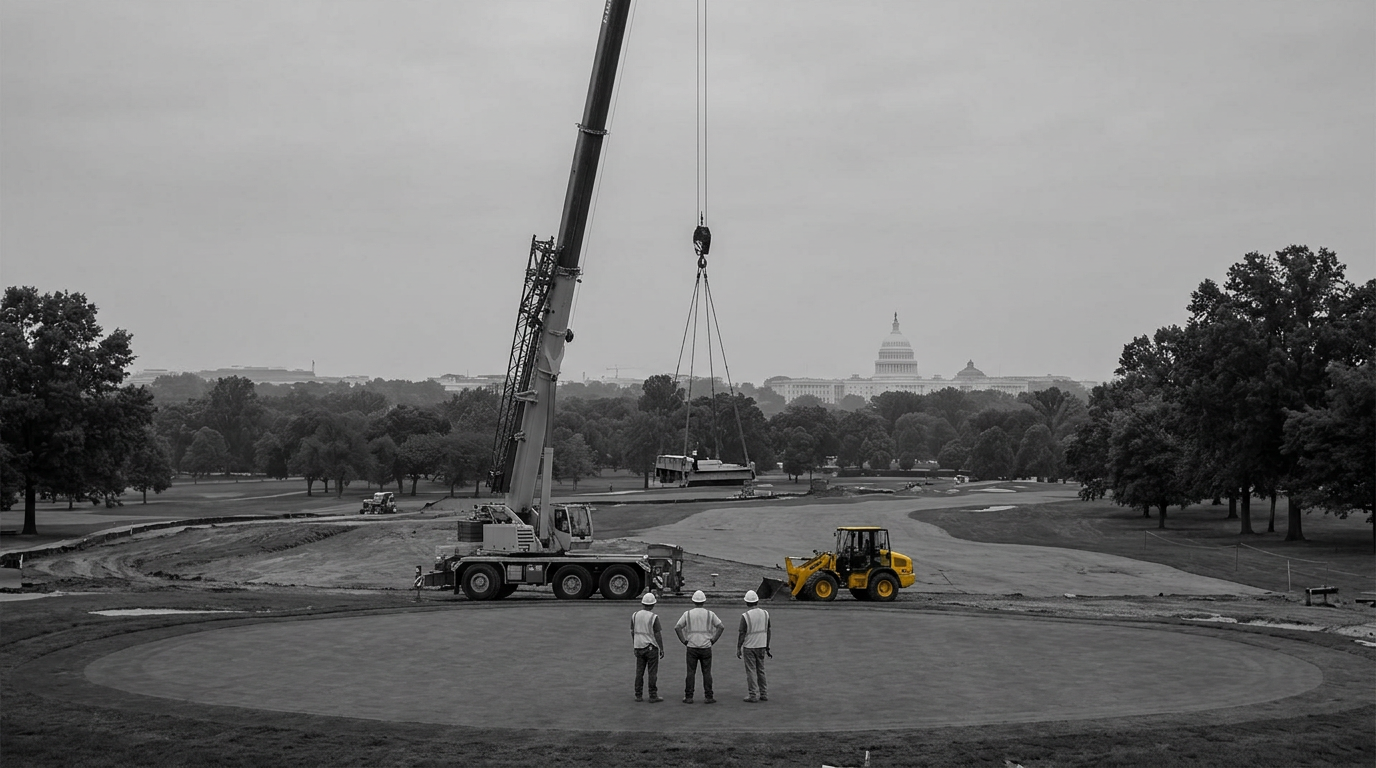
The Trump administration has reached an agreement to renovate public golf courses in Washington, D.C., a published report said this week. The arrangement concerns golf facilities within the District and signals the federal government's involvement in maintenance and upgrades of recreational land used by local residents.
Details about the deal — including the specific courses covered, the timeline for renovations, and who will perform the work — were not spelled out in the initial report. Local leaders, park users and community groups are likely to press for clarity on costs, public access during construction and whether long-term operations will change.
Local recreation and land use
Public golf courses in the District serve as recreational spaces for a broad range of residents and are part of the city's open-space network. Renovation work on those properties could affect everyday use, staffing and revenue streams tied to greens fees and concessions. Any shift in maintenance responsibility or long-term management could also prompt questions about how those lands are programmed and who gets priority access.
Renovations on publicly owned athletic and leisure sites often spark debate between advocates who welcome improved facilities and neighborhood groups concerned about construction disruption and potential changes to long-standing public uses. Elected officials and agency leaders typically become involved to negotiate community benefits and preserve access.
Impacts for neighborhoods and operations
The scope of the reported agreement will determine whether work is limited to course improvements or extends to clubhouse facilities, driving ranges, irrigation systems and related infrastructure. That distinction matters for budget planning, staffing needs and the length of any closures that could inconvenience regular users and local leagues.
Renovations can also present opportunities: upgraded facilities may attract more players, generate additional revenues for maintenance, and create short-term construction jobs. Conversely, upgrades that lead to privatized operations or higher fees would raise concerns among residents who rely on affordable city recreational options.
Local officials are likely to seek details on funding sources and contractual terms to understand whether the work will be paid by federal, municipal or private funds, and how long-term upkeep will be guaranteed.
Watch for formal announcements from city and federal agencies and for any public meetings scheduled to review project plans and timelines.