ADNOC vessel attacked in Strait of Hormuz transit
ADNOC said a vessel was attacked Saturday in the Strait of Hormuz with no injuries reported, as this week’s reported incidents reached four.
Mateo Fernandez ·
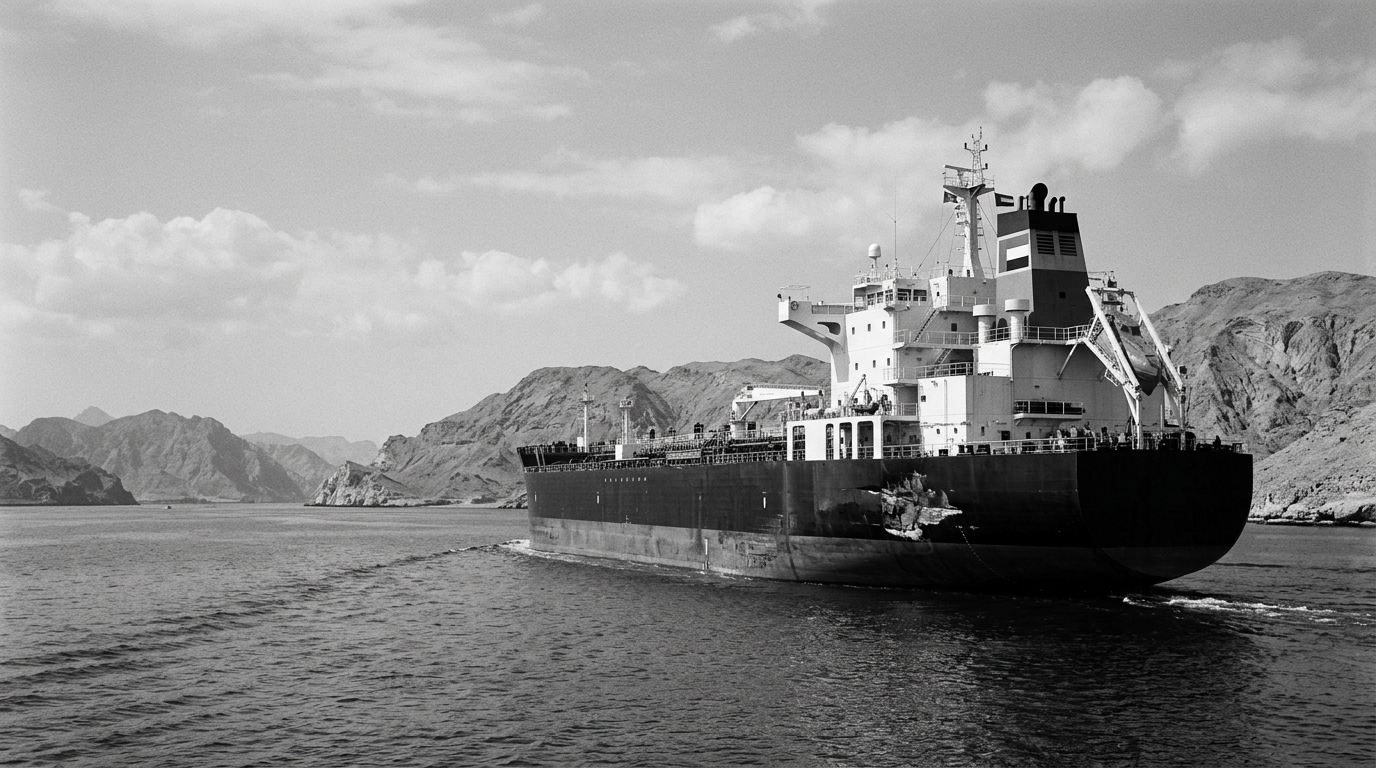
ADNOC said one of its commercial vessels came under attack on Saturday while crossing the Strait of Hormuz, a key maritime corridor for global oil exports. Officials said no injuries were reported.
The incident was reported by UK Maritime Trade Operations. UAE officials said the company confirmed the attack took place while the vessel was transiting the strait.
UK Maritime Trade Operations Strait of Hormuz incident adds to reported weekly pattern Officials described Saturday’s incident as the third consecutive Officials described Saturday’s incident as the third consecutive day of attacks in the Strait of Hormuz. They also said it was the fourth reported attack this week. The Strait of Hormuz is widely monitored because it is a chokepoint for Gulf crude and refined-product shipments. As a result, even when vessels continue moving, repeated security incidents can quickly become a focus for commodities traders and shipping operators. Operational focus: routing, insurance, and voyage planning For ADNOC and the ship managers involved, the immediate implications are operational rather than related to reported casualties. Officials’ statements pointed to the likelihood of route reviews, additional insurance checks, and tighter voyage planning if security warnings persist. In the broader tanker market, repeated incidents can feed into higher war-risk premiums and more cautious transit decisions. Those effects can emerge before any confirmed change in physical supply, depending on how insurers and shipowners respond to continued warnings. Market sensitivity tied to risk premiums and shipping costs The macroeconomic channel highlighted by officials is oil pricing, particularly through risk premiums. If shipping continues normally and no cargo losses are confirmed, pricing effects may stay concentrated in perceived risk rather than immediate supply disruption. Officials said that if attacks continue into the Officials said that if attacks continue into the next trading session, market transmission could shift toward higher freight costs, changes in insurance pricing, and potential delays affecting Gulf exports. The next dated marker cited was Monday, August 17, when commodity markets reopen for a full trading session and traders can assess the week’s fourth reported incident against any new shipping advisories.
Uncertainty remains around how long the reported pattern of incidents will persist and whether additional advisories will be issued that alter voyage decisions. Officials did not report injuries, and no confirmed cargo losses were cited in the statements referenced.